
Plants
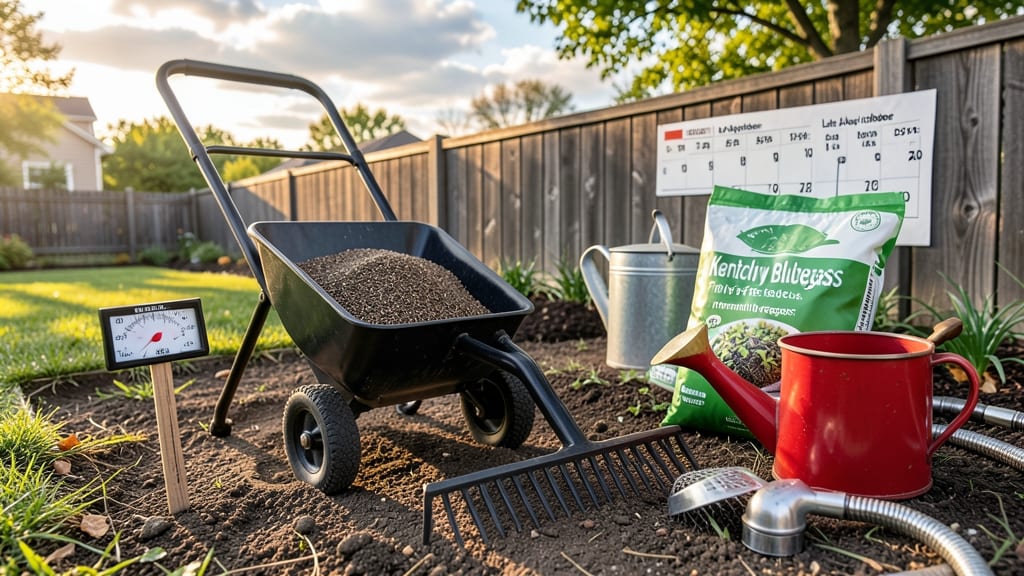
If you're staring at a bare patch in your Minnesota lawn and wondering "when is it too late to plant grass seed", the answer isn't as simple as checking a calendar—it's about soil temperature, daylight, and how fast your 🌱 turfgrass can take root before winter sets in.
The mid-September cutoff exists for a reason: cool-season grasses like Kentucky bluegrass and fescue need 4-6 weeks of warm soil (above 50°F) to establish roots before frost hits. In USDA Zones 4a-5b, that means planting by early September gives your seeds the best shot at surviving Minnesota's unpredictable fall.
But what if you missed that window? Don't toss your seed just yet—we'll cover three late-season strategies to push your planting timeline, from frost cloth hacks to cold-hardy varieties that can handle a light frost while still germinating.
Let's break down the science behind Minnesota's planting deadlines, so you can decide whether to take the risk or wait until spring for a foolproof lawn.
Minnesota’s ideal grass seed planting window: late august to mid-September deadline
Minnesota’s cool-season grasses like Kentucky bluegrass and fescue thrive when planted during the 6-week window before the first frost. For most of the state (USDA Zones 3-5), this means starting between mid-August and mid-September.
This timeline gives seeds 4-6 weeks to germinate and develop roots before winter dormancy sets in.
Soil temperatures are critical—grass seeds need 50°F+ soil to sprout consistently. In Minnesota, daytime highs typically stay above this threshold until late September, but nighttime temperatures can drop suddenly. Use a soil thermometer to confirm conditions before planting.
Daylight length also plays a role. Shorter days in October reduce photosynthesis, slowing seedling growth. Cool-season grasses rely on longer daylight hours (like those in late summer) to establish strong root systems before winter.
Here’s the hard cutoff: Planting after mid-September in most of Minnesota risks seeds sitting dormant in the soil or germinating too late to develop deep roots before frost. This weakens the lawn’s ability to survive winter and recover in spring.
🌱 Minnesota Grass Seed Planting Timeline
| Timeframe | Soil Temp | Daylight Hours | Risk Level |
|---|---|---|---|
| Mid-August | 60-70°F | 14+ hours | Low |
| Late August | 55-65°F | 13-14 hours | Moderate |
| Mid-September | 50-55°F | 12-13 hours | Moderate |
| Late September | 45-50°F | 11-12 hours | High |
| October | Below 45°F | 10-11 hours | Very High |
⚠️ Note: Southern Minnesota (Zone 5) may have a 1-week extension compared to the northern border (Zone 3).
If you’re in Zone 4 or 5, you might push planting to early October in years with unusually warm falls, but this is risky. Check the National Weather Service’s frost prediction map for your county to gauge local conditions.
For northern Minnesota (Zone 3), stick to the mid-September deadline. These areas experience earlier frosts, and seeds planted later may not have enough time to establish before winter. Use a frost date calculator (like the one from the Old Farmer’s Almanac) to pinpoint your local cutoff.
Pro tip: If you’re unsure about timing, opt for fast-germinating varieties like annual ryegrass, which can sprout in as few as 5-7 days when conditions are ideal. This buys you extra time if you’re planting near the deadline.
Remember, seed dormancy is a real risk in late-season planting. Even if seeds sprout, they may not develop deep roots before frost, leading to thin, weak lawns next spring. Prioritize soil prep (loosening soil, removing debris) to give seeds the best chance of success.
🌱
How to extend your planting season: 3 late-September strategies for Minnesota lawns
If you missed the mid-August to mid-September window, don’t panic—Minnesota’s cool climate actually offers a few tricks to plant grass seed in late September. The key is choosing cold-hardy varieties and protecting young seedlings from early frost.
With the right approach, you can still achieve 60-80% germination before winter sets in.
First, opt for tall fescue or creeping red fescue, which tolerate cooler soils better than Kentucky bluegrass. These varieties can germinate at 45-50°F soil temps, giving them an edge in Minnesota’s chilly fall. Pair them with a light frost cloth (30-40°F protection) for extra insurance against late-season freezes.
Here are three proven strategies to push your planting timeline safely:
- 🌱 Use cold-hardy seed blends: Mix tall fescue (60%) with ryegrass (40%) for faster germination at lower temps. Ryegrass acts as a temporary cover, protecting fescue roots until spring.
- ❄️ Apply frost cloth after planting: Lay a breathable frost blanket (not plastic) over seeded areas once night temps drop below 45°F. Remove during the day to prevent overheating. This buys 2-3 extra weeks of growth.
- ☀️ Warm soil with black plastic: Cover bare soil with black landscape fabric 1-2 weeks before planting to raise temps by 5-10°F. Remove it immediately after seeding to avoid smothering sprouts. Best for sandy or rocky soils that cool quickly.
For partial germination, don’t overwater—soggy soil in cold temps can rot seeds. Aim for ¼ inch of water every 3-4 days instead of daily soaks. If frost hits before sprouts appear, the seeds may dormant until spring, but they’ll still germinate when conditions improve.
As a last resort, consider winter ryegrass (annual ryegrass) for temporary coverage. It germinates in 5-7 days at 40°F and provides instant green while protecting soil from erosion. Overseed with perennial grass in spring for a permanent fix.
Remember: Late-season planting is a gamble, but with these strategies, you’ll maximize your chances of a thicker lawn next spring—without breaking the bank on spring reseeding.