
Trees
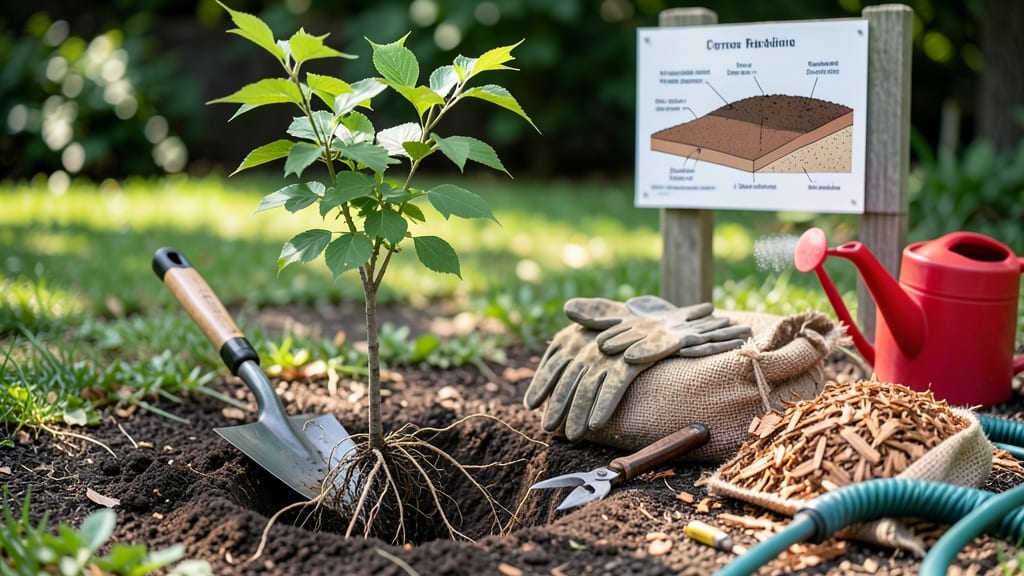
If you're dreaming of a backyard bursting with vibrant spring blooms, knowing when to plant dogwood trees in NC is the first step to success.
The 🌳 dogwood thrives in North Carolina's climate, but timing matters more than you might think—plant too early or late, and you risk stunted growth or even failure.
Most gardeners in zones 6b-8a swear by late fall to early spring as the ideal window, but why? Cooler temperatures and moist soil give young roots the perfect head start. Whether you're in the mountains or the coastal plains, this guide breaks down the best months for your specific region.
You'll discover how to prepare your soil, avoid common pitfalls, and ensure your dogwood takes root strong. With the right timing and care, you could be admiring those iconic white blossoms in just a few years—no guesswork required.
Let's dive into the exact planting schedule that'll set your dogwood up for decades of beauty, tailored specifically for North Carolina's unique growing conditions.
Best planting months for dogwood trees in NC by hardiness zones
North Carolina’s USDA hardiness zones 6b through 8a create a perfect canvas for dogwood trees, but timing your planting makes all the difference. Dogwoods thrive when planted during their dormant season, which aligns with NC’s cooler months.
This gives young roots time to establish before spring growth begins, ensuring stronger trees with vibrant blooms for years to come.
Most gardeners in NC plant dogwoods between October and March, with late fall (November) to early spring (March) being the sweet spot. This window avoids extreme heat or cold, reducing transplant shock. For container-grown dogwoods, you can plant almost year-round, but spring and fall remain ideal for best results.
Here’s how NC’s microclimates influence planting times:
| USDA Zone | Best Planting Months | Why It Works |
|---|---|---|
| 6b (Mountains: Asheville, Boone) | November - March | Cooler temps reduce stress; soil stays workable. |
| 7a (Piedmont: Raleigh, Greensboro) | td style="padding: 10px;">October - AprilAvoids summer heat; mild winters allow root growth. | |
| 7b (Coastal Plains: Fayetteville, Wilmington) | November - March | Humidity is lower; reduces fungal risks during planting. |
| 8a (Outer Banks, Southern NC) | December - February | Warmer winters mean shorter dormant season; plant early. |
If you’re in Zone 6b (mountains), aim for November planting—the soil stays cool, and frost dates are later. In Zone 8a (coastal areas), December to February works best to avoid the region’s milder winters and higher humidity, which can stress young trees.
Spring planting (March-April) is a close second, especially if you missed fall. Just be sure to water deeply after planting and mulch heavily to retain moisture during NC’s dry spring winds. Avoid planting in summer heat—dogwoods hate transplant shock when temperatures exceed 85°F.
Pro tip: Check your local frost dates—most of NC sees its last frost around March 15. Planting 4-6 weeks before the average last frost gives roots time to establish before active growth begins. For example, in Raleigh (Zone 7b), aim for February planting.
Container-grown dogwoods offer flexibility. You can plant them almost any time, but spring and fall still win for root establishment. Just avoid planting when soil temps exceed 70°F—this can cause root burn in young trees.
Remember: Dogwoods are slow to establish but reward patience with decades of blooms. Give yours the best start by planting at the right time for your NC zone. Your future spring garden will thank you with show-stopping pink or white flowers!
Best planting months for dogwood trees in NC by hardiness zones
North Carolina spans USDA zones 6b-8a, and your dogwood's planting window shifts slightly depending on where you live. In the mountains (zone 6b), aim for late October through April—cooler temps reduce transplant shock.
Meanwhile, coastal areas (zone 8a) can plant as late as March or even early April since frost arrives later.
The ideal window is October to March, but why? Cooler soil temperatures and higher moisture levels give young roots a head start. Planting in late fall (November-December) lets roots establish before spring growth begins, while early spring (March-April) gives container-grown trees a full growing season to adapt.
Here’s how to choose your perfect planting month based on NC’s microclimates:
| Zone | Best Planting Months | Why This Works |
|---|---|---|
| 6b (Mountains) | Late October - April | Cooler temps reduce stress; soil stays moist. |
| 7a (Piedmont) | November - March | Balanced frost risk; ideal for bare-root trees. |
| 8a (Coastal) | February - April | Warmer soils; lower frost risk. |
Avoid planting in summer or extreme heat—dogwood roots struggle with dry soil and heat stress. If you miss the ideal window, container-grown trees can be planted in late fall or early spring with minimal shock, while bare-root trees must go in during dormancy (October-March).
Pro tip: Check your local last frost date (typically March 15 in NC) to time spring planting. Planting 4-6 weeks before ensures roots establish before warm weather arrives.
For fastest establishment, prioritize late fall (November) in zones 6b-7a. The cooler weather and moist soil create the perfect conditions for your dogwood to thrive from day one.