
Plants
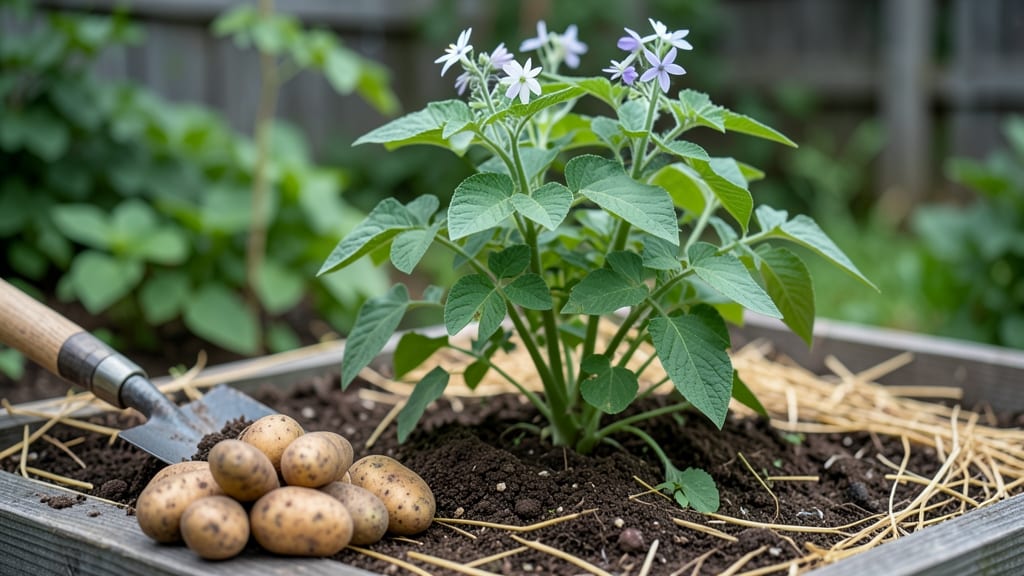
When do you plant potatoes in Colorado? Timing your potato planting can mean the difference between a bountiful harvest and wasted effort—especially with the state's dramatic elevation shifts and unpredictable frost patterns. Whether you're gardening in Denver's urban plots or the high-altitude plains, getting those 🥔 in the ground at the right moment is critical for success.
The key is understanding your specific USDA zone—most of Colorado falls between zones 5-7, but those 1,000-foot elevation changes can shift your planting window by weeks.
I'll show you exactly when to start seed potatoes in your area, from early spring plantings to late-season adjustments that protect your crop from late frosts.
You'll also discover how to choose varieties that thrive in Colorado's short growing season and practical tips for extending your harvest window. Let's make sure your potatoes get the perfect start—no more guessing games about frost dates or soil temperatures.
Ready to grow potatoes that outperform last year's harvest? The right timing and preparation could turn your garden into a tuber treasure trove—I'll walk you through every step to get there.
Colorado potato planting calendar by elevation zone (lowland to high-altitude)
Colorado’s dramatic elevation shifts—from the Front Range’s 5,000-foot gardens to the Western Slope’s 8,000+ ft high plains—mean your potato planting schedule can’t be one-size-fits-all. Lowland areas (2,000–5,000 ft) like Grand Junction enjoy earlier last-frost dates (mid-April), while high-altitude zones (8,000+ ft) near Leadville may not see frost-free soil until late May or June.
Even within Denver’s USDA Zone 6-7, microclimates demand precision.
To nail your timing, start by checking your local last-frost averages—the Colorado State University CoCoRaHS network offers hyper-local data. Potatoes thrive in soil temps of 45–55°F, so aim to plant when the ground warms to 50°F consistently.
In lowland zones, this often lands in late March to early April; in high-altitude areas, wait until mid-to-late May.
Here’s how to align your planting with Colorado’s three key elevation bands, including ideal soil temps, last-frost windows, and harvest timelines to avoid frost damage:
| Elevation Zone | Last Frost Date (Avg.) | Planting Window | Soil Temp Goal | Harvest Window |
|---|---|---|---|---|
| 2,000–5,000 ft (Lowland) | Mid-April (e.g., Grand Junction) | Late March–early April | 50–55°F (plant when soil warms) | Late June–early August |
| 5,000–8,000 ft (Mid-Altitude) | Early May (e.g., Denver, Colorado Springs) | Mid-April–early May | 50–55°F (use frost cloth if needed) | Early July–mid-August |
| 8,000+ ft (High-Altitude) | Late May–June (e.g., Leadville) | Late May–early June | 50–55°F (extend season with row covers) | Late July–early September |
🌱 Pro Tip: Use straw mulch to insulate soil and protect tubers from late-spring frosts.
For lowland zones, early planting (late March) lets you squeeze in two potato crops: one planted in spring and another 2–3 weeks after last frost for a late-summer harvest. In Denver’s Zone 6-7, this second planting often yields larger tubers because summer heat accelerates growth.
Just beware of hibernating cutworms—use collars around stems if you notice chewed foliage at night.
High-altitude gardeners face the toughest challenge: short growing seasons. In Leadville (8,000+ ft), potatoes planted after June 1 may not mature before first frost (mid-October).
To stretch your season, opt for early-maturing varieties (70–90 days) like Yukon Gold or Red Pontiac, and use black plastic mulch to warm soil faster. Row covers can add 2–4°F of warmth, giving you an extra 2–3 weeks of growth.
Soil prep is just as critical as timing. Colorado’s clay-heavy soils (common in the Front Range) drain poorly, leading to rotten tubers.
Amend with compost or aged manure to improve drainage, and avoid planting in low spots where water pools. Raised beds are ideal for high-altitude gardens—they warm up faster and drain better. Add a 5-inch layer of straw mulch after planting to regulate soil temps and retain moisture.
Don’t overlook chitting (pre-sprouting) your seed potatoes—it gives you a 2-week head start on growth. Place whole, certified seed potatoes in a cool, bright spot (55–65°F) for 4–6 weeks before planting. Sprouts should be ½-inch long when you pop them in the ground.
This trick is especially valuable in high-altitude zones where the growing season is tight.
Finally, track your local frost dates using the Colorado Climate Center’s frost maps or your local CoCoRaHS station. In 2023, Denver’s last frost arrived 10 days later than average, catching many gardeners off guard.
By planning for late frosts and using frost cloths, you’ll protect your crop and avoid the heartbreak of blackened foliage just as tubers swell.
With these elevation-specific guidelines, you’ll turn Colorado’s challenging climate into an advantage—harvesting bountiful, disease-resistant potatoes whether you’re gardening in Grand Junction’s desert heat or Aspen’s alpine chill.
How to adjust your potato planting schedule for Colorado’s unpredictable weather
Colorado’s weather can throw even the most experienced gardeners for a loop—one day it’s sunny and 70°F, the next, a late frost hits without warning. The key to success? Flexibility in your planting schedule.
I’ve learned that adjusting for unpredictable weather means using frost cloths, choosing cold-hardy varieties, and sometimes even starting potatoes indoors to give them a head start.
For gardeners in Denver or Boulder (elevations 5,000–8,000 ft), late frosts can linger until mid-May. If you plant too early, your potatoes might bolt or rot. Instead, I recommend waiting until the soil reaches 45°F and using row covers for the first few weeks.
This buys you extra time to harden off seedlings before removing protection.
In high-altitude areas like Fort Collins or Steamboat Springs (8,000+ ft), the growing season is even shorter. Here, I’ve had the most success with early-maturing varieties like Red LaSoda, which can be harvested in just 70–90 days.
Plant these as soon as the ground is workable—often by late April or early May—and use black plastic mulch to warm the soil faster.
Extend your season by 2–3 weeks with lightweight frost blankets. Secure them tightly over rows to trap heat during late spring frosts.
Opt for Yukon Gold or Kennebec—they tolerate cooler soils better than delicate varieties like Russet Burbank.
Chit potatoes in bright, cool conditions (60–65°F) for 4–6 weeks before planting. This jumpstarts growth and compensates for short seasons.
If your first planting fails, try a late-May or early June crop with fast-maturing varieties like New Potatoes (harvest in 50–60 days).
Use a soil thermometer—potatoes thrive when soil is 50–60°F. Planting too early in cold soil delays sprouting.
Potatoes hate soggy soil. If heavy rains are forecast, raise beds or plant on slopes to improve drainage.
Another trick I swear by? Succession planting. Instead of betting everything on one planting, I stagger my potatoes in 2–3 batches, 2 weeks apart. This way, if one batch gets hit by hail or frost, the others can still thrive.
For example, plant your first batch in late April (with frost cloth), the second in early May, and the third in mid-May—just in case.
Don’t forget to hill your potatoes as they grow! This protects tubers from exposure to light (which turns them green and toxic) and insulates them from temperature swings. Use loose soil or straw—never compacted dirt—to encourage deeper growth.
With these adjustments, you’ll turn Colorado’s quirks into opportunities for a reliable harvest, no matter what Mother Nature throws your way.