
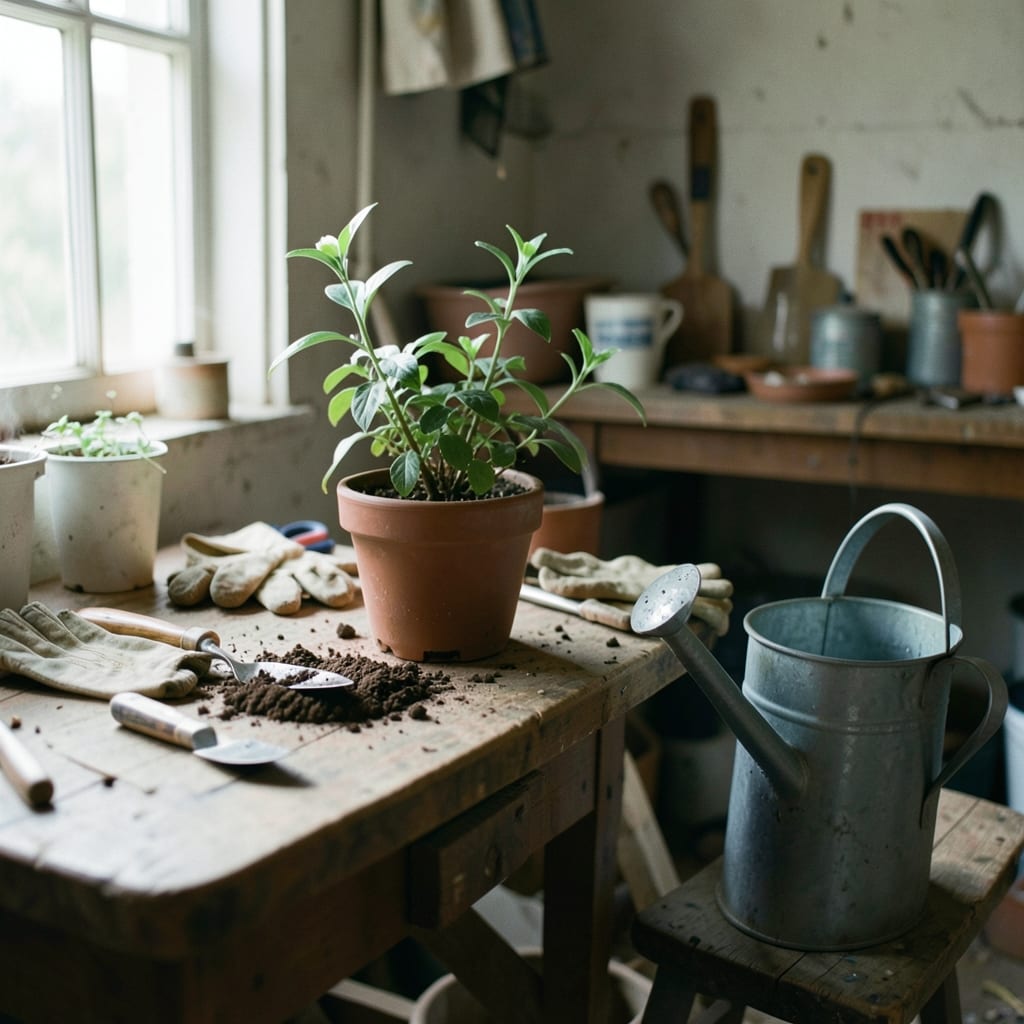
What this work is made with
This page is not a story. It is a list of things—the objects that hold this site together, the tools that shape what you’ll find here.
A gardening site does not live in the words alone; it lives in the soil, the hands that tend it, and the wear that tells its truth. Here, we name what matters.
Indoor Plant Care is built around the quiet work of keeping plants alive: the patience of watching roots find their way, the frustration of a leaf curling before you even spot the pest. These are the things that make the work real.
The things that do the work
Four objects keep this site growing. None of them are fancy. None of them are new. And every one of them has left its mark.
The clay pot
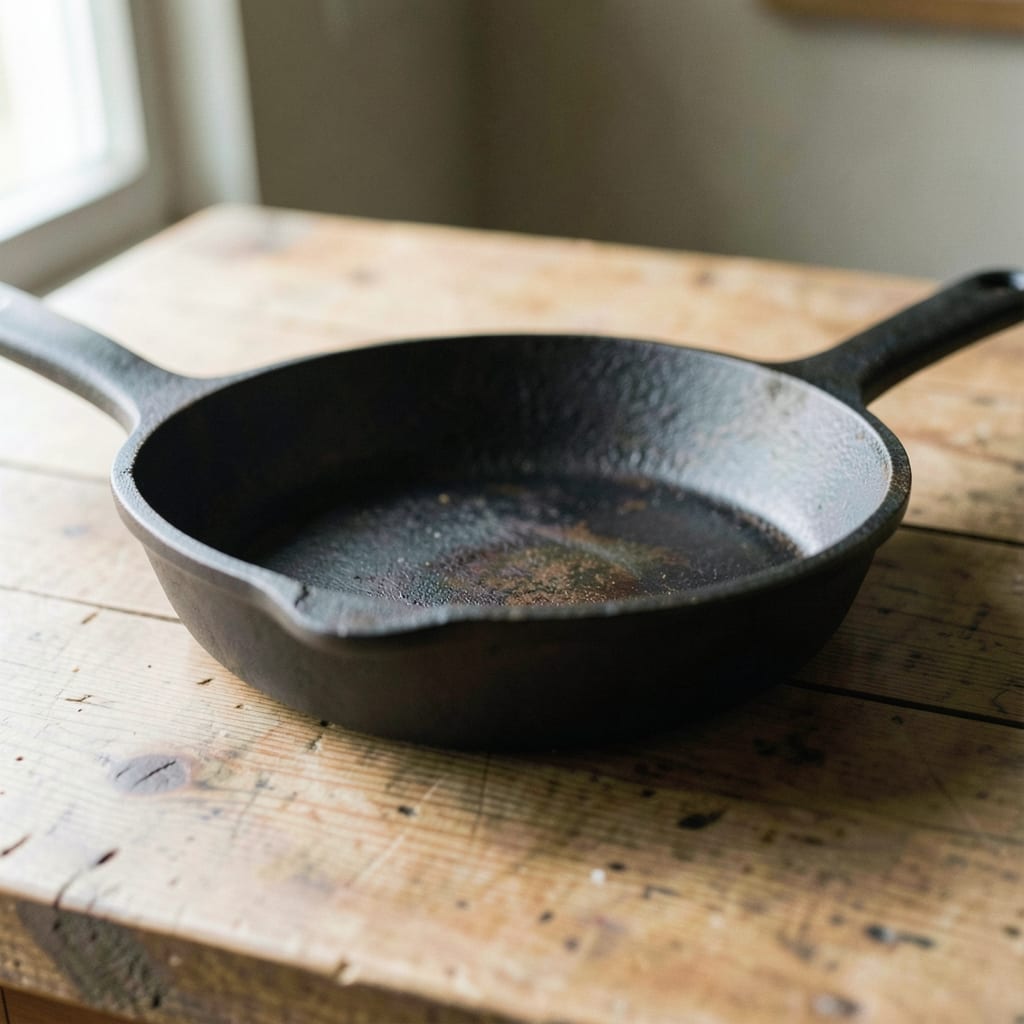
A terracotta pot, cracked down the side, its rim chipped from years of dropping it. It’s been here since the first draft of this site—long before the domain was bought, long before the first post went live.
It sat on a windowsill in a rented apartment, holding a basil plant that outlived three roommates.
It taught me that plants don’t need perfection. They just need time, and a little stubbornness. The crack doesn’t leak anymore. The chip is just part of the story now.
The wooden spoon
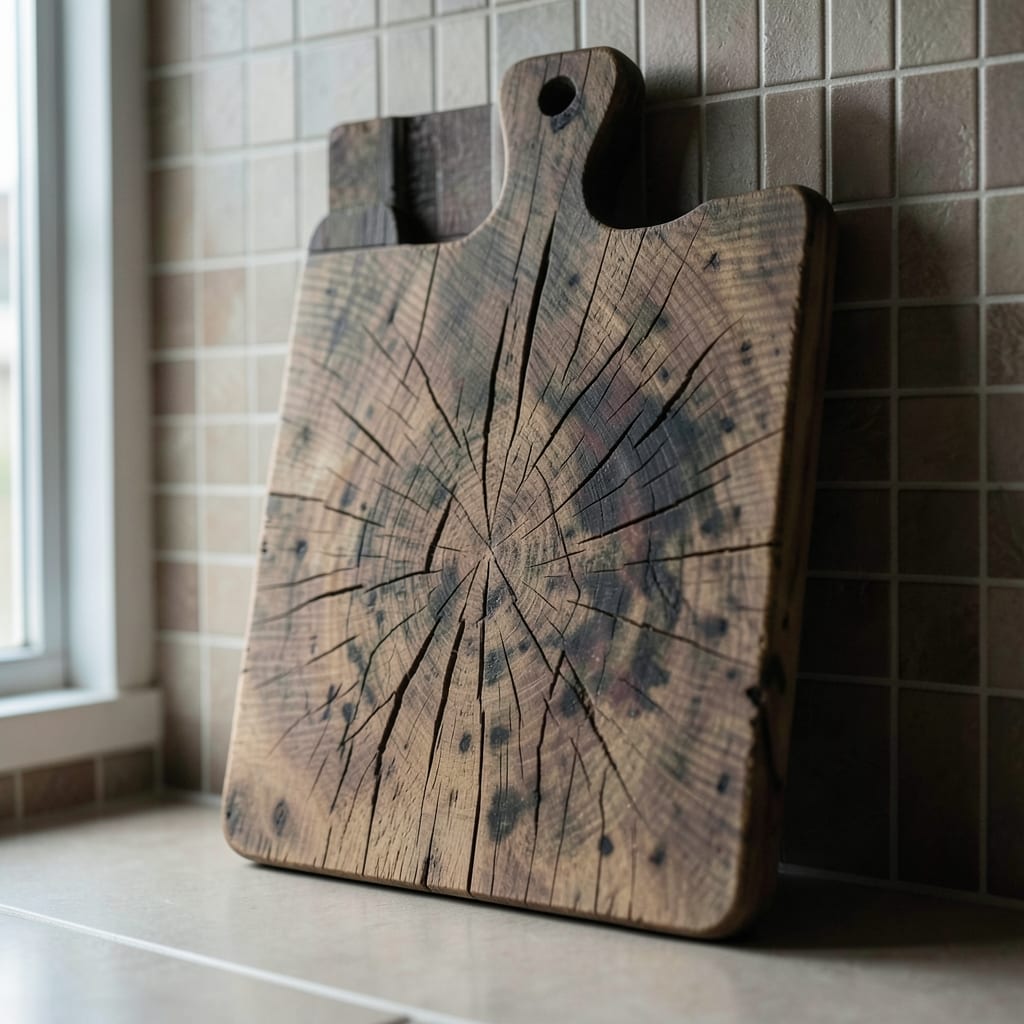
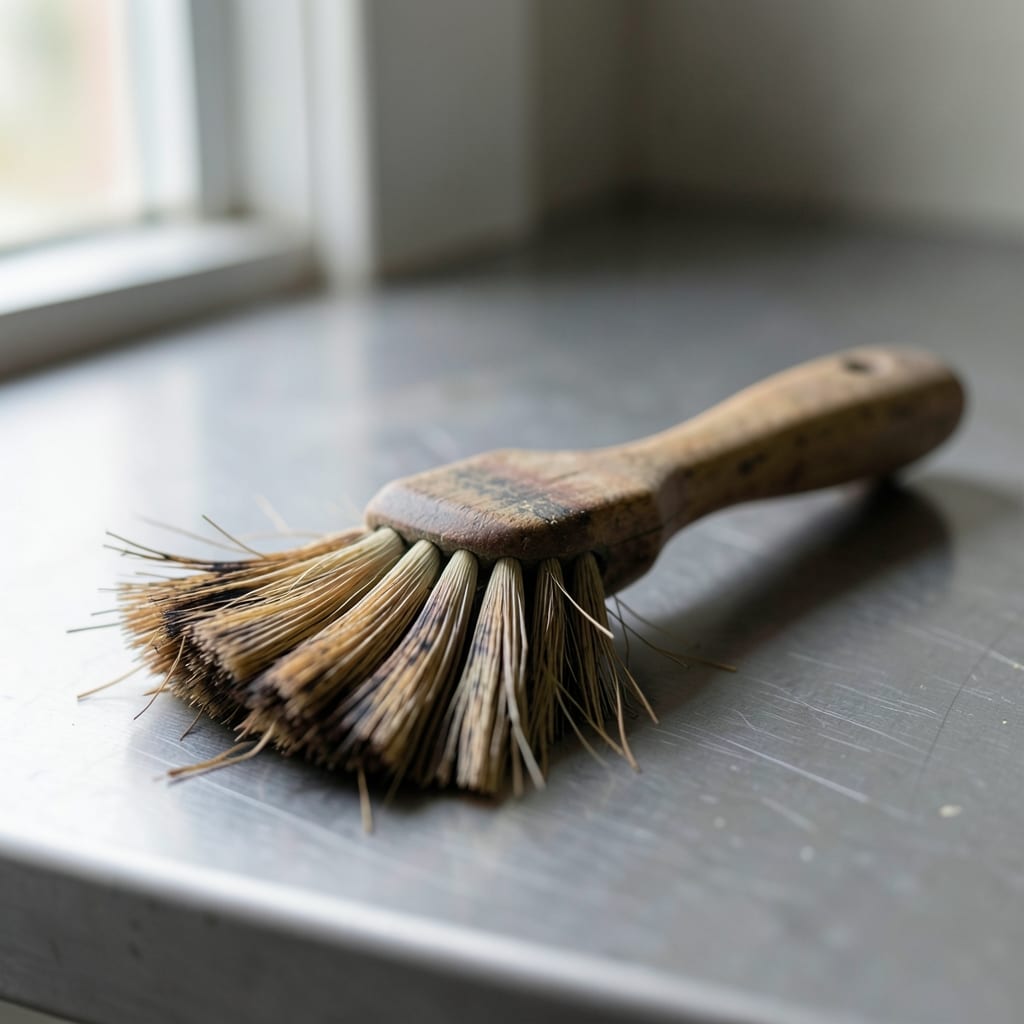
A cheap, splintered spoon from a thrift store, its handle worn smooth from stirring compost. It’s the only tool that’s never been replaced, even after the plastic handle split down the middle. The wood is dark now, stained with soil and the occasional splash of vinegar.
It’s the one thing I reach for without thinking—whether I’m mixing potting soil or stirring a batch of homemade fertilizer. The split makes it harder to grip, but it’s never broken. And that’s the point.
The pruning shears
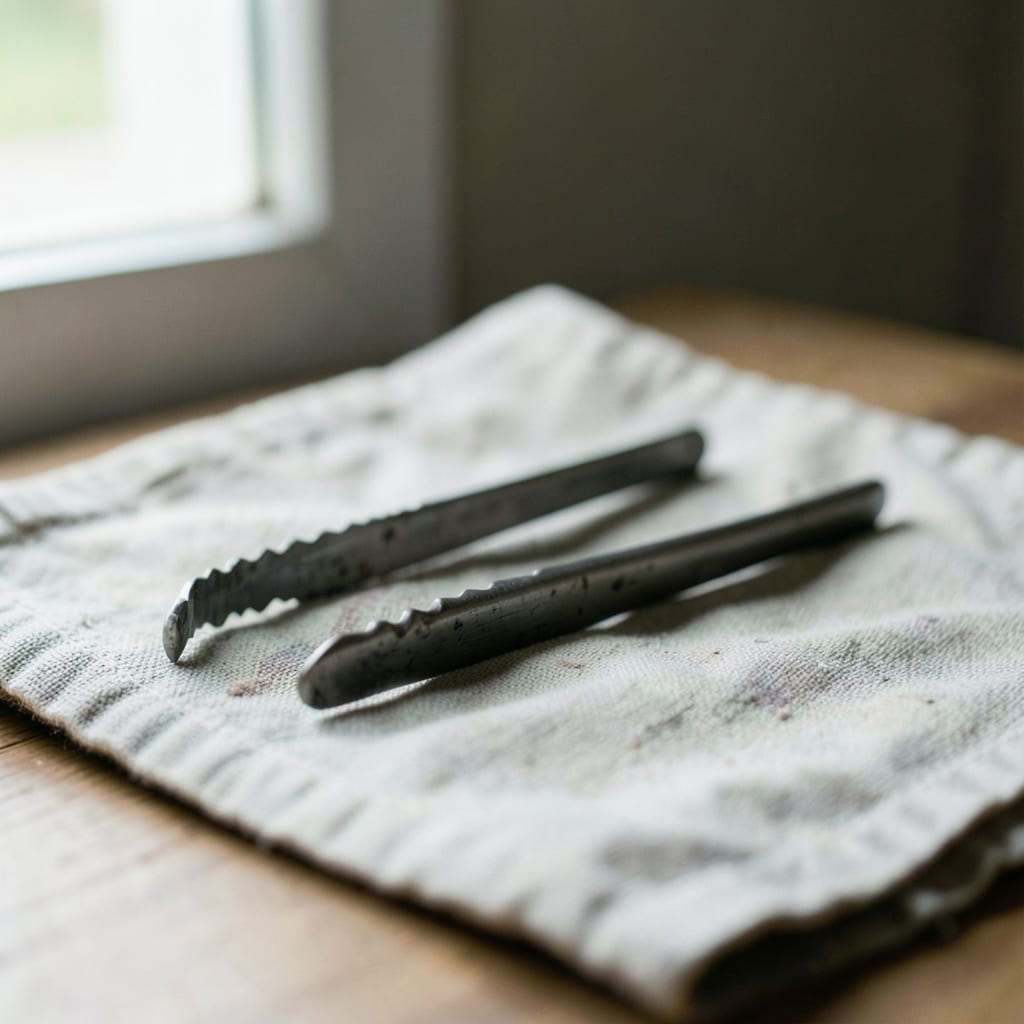
A pair of secondhand shears, their blades dull and their screws loose. They’ve been here since the site’s second year, when I realized I couldn’t keep buying new tools just because the old ones weren’t pretty.
The rubber grips are long gone, and the hinge squeaks when I open them too fast.
They’ve cut more than 50 stems in their time—some by accident, some by choice. The dullness means I have to pay attention. And that’s how you learn.
The stone
A smooth river stone, found in a park years ago, now sitting in the corner of my desk. It’s been here since the site’s first winter, when I realized I needed something to weigh down the pages of my notebook so they wouldn’t flap in the wind.
It doesn’t do much. But it’s always there. And sometimes, when I’m stuck on a post, I just hold it and wait for the right words to come.
What is not in the drawer
This work does without a few things—by choice, not by accident.
Deliberately absent
- No fancy hydroponic setups. The plants here grow in dirt, just like they always have.
- No branded tools. If it’s not holding up after five years, it wasn’t worth buying in the first place.
- No pressure to post daily. Some seasons need more silence than words.
- No promises of perfection. Every plant here has been killed at least once.
Behind the scenes

I am Clifford Lockhart, the founder and editor of Indoor Plant Care. My job here is to write about the small, stubborn acts of keeping plants alive—whether that’s a single pothos or a whole windowsill full of greens.
I came to this from a childhood spent dragging home more weeds than flowers, and a mom who’d sigh and say, ‘Just put it in the dirt, Clifford.’ She never said it was a bad thing. She just knew plants would grow, no matter what.
This work has given me a habit of noticing things I used to ignore: the way light hits a leaf at 3 PM, the way roots twist when they’re searching for water. I can’t unsee it now. And I don’t want to.
What I’m actually for here is the voice that says, ‘Try it anyway.’ Even when the soil is wrong, even when the light is bad, even when the plant looks like it’s already dead. That’s the only rule.
Why any of this matters to you
These things—the pot, the spoon, the shears, the stone—aren’t just tools. They’re proof that gardening isn’t about having the best stuff. It’s about paying attention, making mistakes, and learning to love the mess.
Every page here is shaped by the same hands that tend these objects: hands that know what a healthy leaf looks like, hands that have dropped a pot too hard, hands that still reach for the same old spoon without thinking.
So when you read about how to save a dying fern or why your basil keeps bolting, remember: the advice comes from someone who’s been there. And someone who’s still figuring it out.
Every tip here is tested with the same tools you’ll find in your home. No shortcuts, no assumptions. Just the kind of advice that comes from years of dirt under the nails—and a few too many dead plants.
The guides are grouped by category: Companion Plants, Flowers, How To, Lawn, Planting and Plants.