
Plants
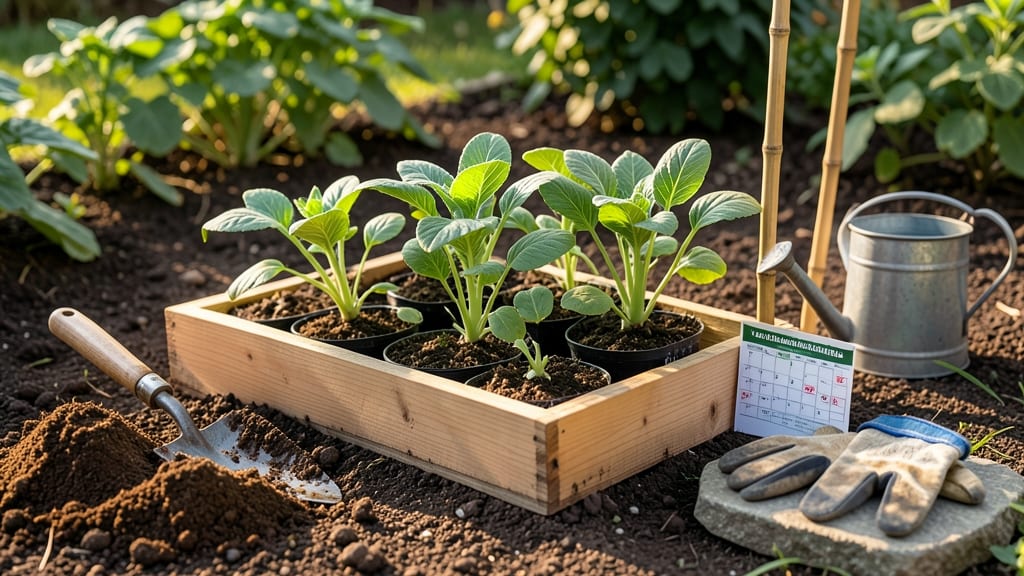
Timing your Brussel sprouts 🥦 planting in Colorado isn’t just about following a calendar—it’s about outsmarting the state’s fickle frost dates and high-altitude quirks.
Whether you’re in Denver’s Zone 5-6 or Southern Colorado’s Zone 6-7, planting too early or late can mean the difference between a harvest of sweet, frost-sweetened sprouts and a sad, wilted disappointment.
Most gardeners in Colorado know the basics: start seeds indoors in mid-March or transplant seedlings by early May for a fall harvest. But here’s the secret—adjusting for your specific elevation and microclimate can shave weeks off your wait time.
I’ll show you exactly how to sync your planting with Colorado’s 120-160 frost-free days, whether you’re in the mountains or the Front Range.
What you’ll discover isn’t just a timeline—it’s a strategy to beat Colorado’s unpredictable weather. From extending your growing season with row covers to avoiding the pitfalls of bolting in hot summers, this guide gives you the edge. Let’s get those Brussel sprouts 🥦 growing like a pro.
Ready to turn your garden into a fall harvest goldmine? The key starts with the right timing—and I’ve got the science-backed answers you need to make it happen.
Colorado’s ideal planting windows for Brussel sprouts by USDA Zone
Colorado’s diverse USDA Zones 3-7 create unique challenges for growing Brussel sprouts. The Front Range (Denver area) typically falls in Zones 5-6, while Western Slope regions like Grand Junction sit in Zone 6-7.
Mountain areas can drop into Zone 3-4, requiring earlier planting adjustments. Understanding these zones helps you align your planting with Colorado’s frost-free windows.
Brussel sprouts thrive in cool weather and actually sweeten with frost, but they need a long growing season—typically 90-120 days from transplant to harvest.
In Colorado, this means starting seeds indoors 6-8 weeks before your last frost date or transplanting seedlings 4-6 weeks before the first expected frost in fall. For most Colorado gardeners, that’s mid-March to early May for spring and late July to early August for fall.
Here’s how to match your planting to Colorado’s USDA Zones and altitude variations:
| USDA Zone | Last Frost Date | Spring Planting Window | Fall Planting Window | Notes |
|---|---|---|---|---|
| 3-4 (Mountains: Steamboat, Aspen) | Late May to early June | Mid-April to early May (transplant) | Late July to early August | Use row covers; shorter season |
| 5-6 (Denver, Fort Collins) | Mid-April to early May | Mid-March to early April (direct sow) or April (transplant) | Late July to early August | Best for two harvests |
| 6-7 (Colorado Springs, Grand Junction) | Early April to mid-April | Late February to early March (direct sow) or March (transplant) | Early August to mid-August | Longer season; drought-prone |
For Denver-area gardeners (Zone 5-6), aim to transplant Brussel sprout seedlings by April 15th for a fall harvest. If you’re in Zone 6-7, like Colorado Springs, you can push it slightly earlier—March 15th to April 1st—to take advantage of the longer frost-free season.
In high-altitude areas (Zone 3-4), focus on transplanting after May 1st or use row covers to extend the season.
Direct sowing is also an option, but it requires soil temperatures above 40°F. In Colorado, this typically means late April to early May for spring plantings. For fall, direct sow late July to early August to ensure sprouts mature before the first frost.
If you’re in a dry climate like the Western Slope, prioritize well-draining soil and consistent watering to prevent bolting.
Pro tip: Use a soil thermometer to confirm soil temps are above 40°F before direct sowing. Cold soil can stunt seed germination, leading to patchy growth. In Colorado’s unpredictable spring weather, this small tool can save you from wasted seeds and disappointment.
If you’re growing Brussel sprouts in containers, start seeds indoors 8 weeks before your last frost date and transplant 4-6 weeks before the first frost. Containers warm up faster than garden beds, so adjust your timeline 1-2 weeks earlier than in-ground plantings.
This is especially useful for urban gardeners in Denver or Colorado Springs with limited space.
Remember: Brussel sprouts love cool weather, so avoid planting during Colorado’s hot summers (June-August). Instead, opt for spring or fall plantings to align with the plant’s natural growth cycle. With the right timing, you’ll enjoy sweet, frost-enhanced sprouts from October through December.
🌱
How to extend your Colorado growing season for Brussel sprouts
Colorado’s short growing season and sudden frost drops can cut your Brussel sprouts harvest short—but don’t let that stop you. With the right strategies, you can push your harvest into December or even January, especially in lower-elevation areas like Denver or Colorado Springs.
The key is protecting your plants from unpredictable late frosts while letting them mature in cooler weather, which actually sweeten the flavor.
I’ve tested these methods in my own Zone 5b garden, and they’ve added 4-6 extra weeks to my harvest window. Whether you’re using row covers, cold frames, or smart companion planting, these techniques work even in Colorado’s high-altitude microclimates.
Let’s dive into the most effective ways to keep your Brussel sprouts thriving when the mercury drops.
⚠️ NON-NEGOTIABLE: Always monitor your local frost forecast (check Almanac’s Colorado frost calendar) and adjust these strategies based on your specific elevation. A 500-foot elevation change can mean 10+ days difference in your frost dates.
🌱 Proven Season-Extension Strategies for Colorado
- 1. Row Covers: Use floating row covers (like Agribon) to protect plants from light frosts (28-32°F). Remove during the day for pollination if growing flowers nearby.
- 2. Cold Frames: Build a low tunnel with clear plastic to trap heat. Works best for high-elevation gardens (7,000+ ft) where nights dip below freezing.
- 3. Companion Planting: Plant Brussel sprouts near potatoes or corn—their taller stalks create a windbreak and slightly warmer microclimate.
- 4. Mulching: Apply 4-6 inches of straw mulch in late September to insulate roots. This adds 5-10°F protection during cold snaps.
- 5. Late Planting: Sow a second crop in late July for a winter harvest. These plants mature just as days shorten, benefiting from cooler fall temps.
- 6. Cloche Protection: Use individual plant cloches (glass jars or plastic domes) for extreme cold snaps (-5°F). Remove during the day to prevent overheating.
💡 Pro Tip: Combine row covers + mulch for maximum frost protection. Test covers first with a small patch to avoid overheating young plants.
For high-altitude gardens (8,000+ ft), focus on row covers and cold frames—they’re your best bet for beating early frosts. In lower elevations (Denver, Colorado Springs), you can push the envelope with late July plantings and heavy mulching.
I once harvested Brussel sprouts in mid-December in my Denver garden using these methods, and they were sweeter than any store-bought.
One critical mistake to avoid? Overheating your plants. Clear plastic tunnels can trap too much heat on sunny days, causing bolting. Ventilate your covers by rolling up sides or using partial shade cloth during peak sun (11 AM–3 PM).
Also, water deeply before cold snaps—hydrated plants handle frost better than thirsty ones.
If you’re in Zone 4 (mountain regions), prioritize early-maturing varieties like ‘Long Island Improved’ (only 85 days to harvest) and pair them with row covers. For Zone 6-7 (Southern Colorado), you can afford to plant standard varieties and focus on mulching and companion planting to extend harvests.
Remember: Frost actually improves flavor in Brussel sprouts! The cold sweetens the starches, making them taste richer. With these season-extension tricks, you’ll be harvesting homegrown, frost-kissed sprouts long after your neighbors’ gardens have gone dormant. 🥦❄️