
Plants
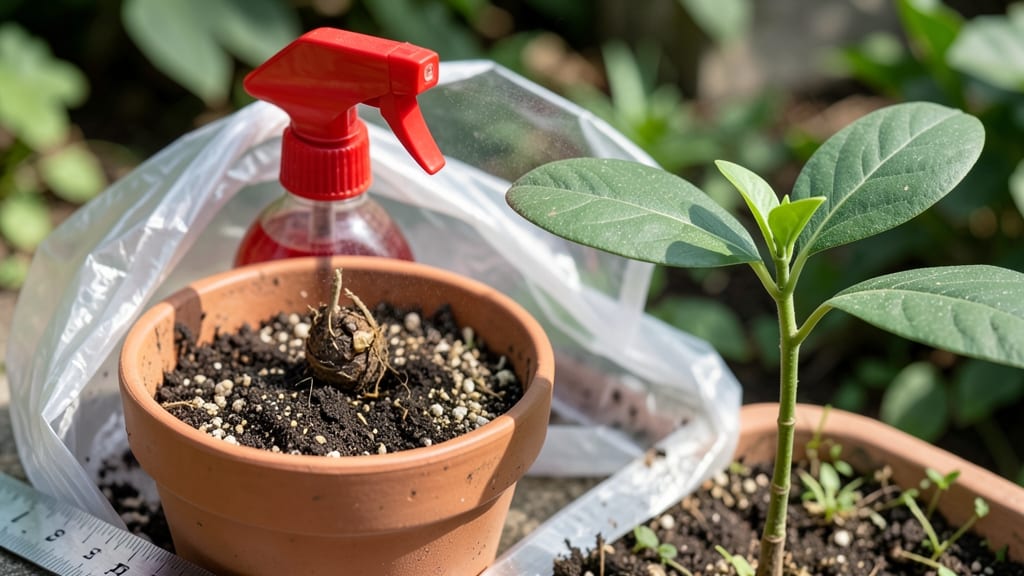
Planting an avocado pit in soil at the wrong time could mean waiting months—or even years—for your 🥑 to sprout.
The key to success lies in understanding your climate zone and seasonal timing, because those factors determine whether your pit thrives or rots before it ever gets a chance to grow.
If you're in USDA Zone 6a or warmer, spring is your best bet—after the last frost has passed—when soil temperatures are consistently above 60°F. But here's the catch: even in frost-free zones, planting too early or too late can slow down germination, sometimes by 6-12 months.
The right timing isn't just about the calendar; it's about giving your avocado pit the ideal conditions to break dormancy and start rooting.
I'll walk you through the exact window for your zone, plus how to prep your pit and soil for maximum success. Whether you're starting indoors or outdoors, these steps will help you avoid common mistakes that kill germination before it begins.
Let's get your avocado tree off to the right start.
Once you've nailed the timing, the next phase is all about patience and care—because even the best-planted pits need consistent moisture and warmth to develop roots. By the end of this guide, you'll know exactly when to plant, how to monitor progress, and what to do if things stall.
Ready to turn that pit into a plant?
Best months to plant avocado pits by USDA climate Zone
Planting an avocado pit at the right time dramatically increases your chances of success, especially since these tropical trees thrive in warm soil temperatures and consistent moisture. The best time to plant depends on your USDA climate zone—whether you're in frost-free Florida or cooler California.
For zones 7-11, aim for spring or early summer when soil temps stay above 60°F (15°C).
In USDA Zone 10-11 (e.g., Florida, Southern California), you can plant avocado pits year-round since frost is rare. However, spring (March-May) offers ideal conditions with warmer soil and longer daylight to kickstart germination.
For Zone 9 (e.g., Arizona, Southern Texas), avoid planting before April to prevent cold snaps that can kill young sprouts.
If you're in Zone 7-8 (e.g., Central California, Georgia), wait until after the last frost date—typically May-June.
These zones risk frost damage if planted too early, so use a grow light or indoor setup until soil warms. Fall planting is a no-go in cooler zones, as the pit may enter dormancy before sprouting.
⚠️ CRITICAL: Soil temperature matters more than air temperature. Use a soil thermometer to confirm temps are above 60°F (15°C) before planting. Cold soil slows germination and invites rot. In Zone 6 or colder, grow your avocado pit indoors year-round under a grow light—outdoor planting is risky.
For indoor planting (ideal for zones 6 and colder), you can start anytime, but spring mimics outdoor conditions best. Place your pot near a south-facing window or under a grow light for 12-14 hours of light daily.
If you plant in winter, supplement with a grow bulb to prevent leggy growth.
One common mistake is planting too early in Zone 7-8 and risking frost damage. Always check your local frost dates and wait 2-3 weeks after the last frost before moving seedlings outdoors.
In Zone 10-11, summer planting can work, but avoid peak heat (July-August) to reduce stress on young roots.
If you're unsure about your zone, use the USDA Zone Finder tool to locate your exact area.
For example, Los Angeles (Zone 10) can plant anytime, while Atlanta (Zone 8) should wait until late May. Miami (Zone 11) offers the best conditions year-round, with 90%+ germination rates if planted in spring.
Remember, avocado pits can take 6-12 months to germinate, so patience is key. The sooner you plant in warm soil, the faster you’ll see those first green leaves!
Start your pit indoors in well-draining soil and move it outdoors only after the soil temperature stays above 60°F (15°C) for a week.
🌱 For zones with short growing seasons, consider using a greenhouse or indoor grow tent to extend your planting window. This lets you start earlier and gives seedlings a head start before outdoor transplanting.
Best months to plant avocado pits by USDA climate Zone
Timing your avocado pit planting is critical—plant too early, and you risk rot from cold soil; too late, and your pit may enter dormancy before sprouting. The best window depends on your USDA climate zone, soil warmth, and whether you're planting indoors or outdoors.
For example, in Zone 9-11, you can plant year-round, while Zone 7-8 gardeners should wait until spring after the last frost.
Soil temperature is your biggest clue: aim for 60°F or warmer to kickstart germination. In colder zones, this means waiting until late spring. Even in frost-free areas, planting in winter can slow growth due to cooler temps.
I’ve planted pits in March-April for the fastest results, but your local climate may shift that window by a month or two.
| USDA Zone | Best Planting Months | Soil Temp Requirement | Indoor vs. Outdoor | Germination Time |
|---|---|---|---|---|
| 7-8 | April–May | 60°F+ | Indoors (warmth-controlled) or outdoors after frost | 6–12 months |
| 9-10 | Year-round (best: Feb–Nov) | 55°F+ | Outdoors or indoors with grow lights | 4–8 months |
| 11 | Year-round (optimal: Mar–Oct) | 50°F+ | Outdoors or indoors (humidity-controlled) | 3–6 months |
Note: Indoor planting extends your window but requires consistent warmth (70°F+) and humidity.
If you're in Zone 7-8, wait until after your last frost date—typically mid-April in most regions—to plant outdoors. For indoor starters, you can begin as early as February using a heat mat or warm windowsill.
In warmer zones, avoid winter planting unless you have grow lights, as cooler temps delay germination by 2-3 months.
Pro tip: Test your soil’s warmth with a soil thermometer before planting. If it’s below 60°F, your pit will struggle to break dormancy. I’ve seen pits planted in 50°F soil take double the time to sprout—or fail entirely. Warmth is non-negotiable for success.
Once you’ve nailed the timing, the next step is prep: clean your pit, let it dry for 2-3 days, and soak it overnight to soften the outer shell.
This primes it for faster root development. But timing alone won’t guarantee sprouts—consistent moisture and warmth are just as critical after planting.
For gardeners in Zone 9-11, you’ve got flexibility, but even tropical climates benefit from planting in spring or early summer when humidity is moderate. High humidity can lead to fungal rot, so balance is key.
No matter your zone, always plant your pit with the pointy end up—this ensures proper root growth.