
Companion Plants
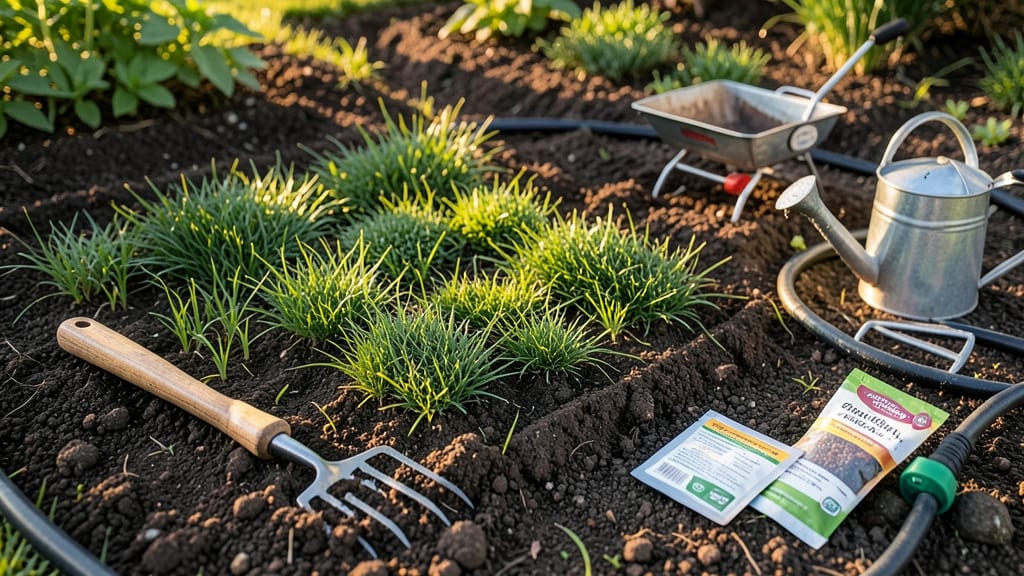
Timing your grass seed planting in Minnesota can feel like guessing when to flip a pancake—too early and it burns, too late and it’s a flop. But here’s the secret: the 3-4 month establishment period starts with the right window, not luck.
In Minnesota’s USDA zones 3-5, frost dates and soil temperatures dictate success. Plant too soon, and your seed freezes before sprouting. Too late, and summer heat stresses young 🌱 grass before it roots.
The sweet spot? Early spring (after last frost) or early fall (before first frost)—when soil hits 50°F and stays there.
I’ve seen lawns thrive—and fail—because of timing. Whether you’re seeding in March or September, the key is prep: soil, water, and patience. Let’s break down the exact steps to get your Minnesota lawn off to a fast, lush start.
Skip the guesswork. By the end, you’ll know exactly when to plant, how to prep, and what to avoid—so your grass grows thick, not thin. Ready to transform your yard?
Best months to plant grass seed in Minnesota (by climate zone)
Minnesota’s climate varies dramatically from north to south, with USDA Zones 3-5 creating distinct planting windows for grass seed. The ideal time is when soil temperatures stay above 50°F (10°C) and frost risk is minimal.
In most regions, this means early spring (March-April) or early fall (September-October)—but timing shifts based on your zone.
Northern Minnesota (Zones 3-4) has a shorter growing season, so seed must go in late April to early May for spring or mid-August to early September for fall. Southern Minnesota (Zones 4-5) can start as early as March or extend into October, giving you more flexibility.
Let’s break down the best months for each zone to avoid frost damage and ensure fast germination.
🌱 Pro Tip: Use a soil thermometer to confirm temperatures—grass seed won’t sprout until the ground reaches at least 50°F (10°C). In Minnesota, this often aligns with mid-May for spring and early September for fall, but northern areas lag by 2-3 weeks.
| Climate Zone | Spring Planting Window | Fall Planting Window | Soil Temp Threshold | Frost Risk |
|---|---|---|---|---|
| Northland (Zone 3) | Late April–Early May | Mid-August–Early Sept | 50°F (10°C) | High (late frost risk) |
| Northern (Zone 4) | Early–Mid May | Late Aug–Early Oct | 50°F (10°C) | Moderate |
| Central (Zone 4-5) | March–Early April | September–Early Oct | 50°F (10°C) | Low |
| Southern (Zone 5) | February–March | October–Early Nov | 50°F (10°C) | Minimal |
| Southeast (Zone 5) | February–March | October–Mid-Nov | 50°F (10°C) | Low |
🌡️ Key: Soil temp must stay above 50°F (10°C) for 7+ days for germination.
Spring planting in Minnesota is a race against frost. Seed sown too early (e.g., February in the south or April in the north) risks frost damage or slow germination.
Aim to plant 2-3 weeks after the last frost date—check the MN Department of Agriculture’s frost charts for your county. For example, Duluth (Zone 3) typically waits until May 10, while Rochester (Zone 5) can start as early as March 15.
Fall planting offers a longer window and cooler temps that reduce weed competition. In northern Minnesota, late August to early September is ideal, while southern areas can extend into October. The goal is to give grass 4-6 weeks of growth before the first frost—typically by mid-October.
Use a cool-season grass blend (e.g., Kentucky Bluegrass or Tall Fescue) for best results in Minnesota’s climate.
If you miss the ideal windows, late summer (August) is a secondary option, especially in southern Minnesota. Just be prepared for weed pressure and drought stress if planting in July or November. For northern zones, avoid planting after September 15—the growing season is too short for full establishment.
🌿 Regional Tip: Southern Minnesota’s warmer microclimates
How to prepare your Minnesota lawn for grass seed planting (step-by-step)
Prepping your lawn for grass seed is like laying the foundation for a house—skip it, and you’ll regret it later. In Minnesota’s variable climate, proper soil prep ensures your seed germinates quickly and grows thick.
Start by testing your soil pH—most grasses thrive between 6.0 and 7.0. If it’s off, amend it with lime (to raise pH) or sulfur (to lower it) 2-3 weeks before planting.
Next, clear the area of debris, weeds, and thatch. Use a rake to loosen the top 1/4 inch of soil—this creates a perfect seedbed. For tougher spots, rent a core aerator to break up compacted soil.
Aeration also helps water and nutrients reach the roots faster, which is critical in Minnesota’s clay-heavy soils.
Here’s where timing matters: Seedbed prep should happen 1-2 weeks before planting. This gives the soil time to settle after aeration or tilling. If you’re seeding in spring, do this after the last frost date (usually mid-May).
For fall planting, prep by early September to avoid early frost.