
Plants
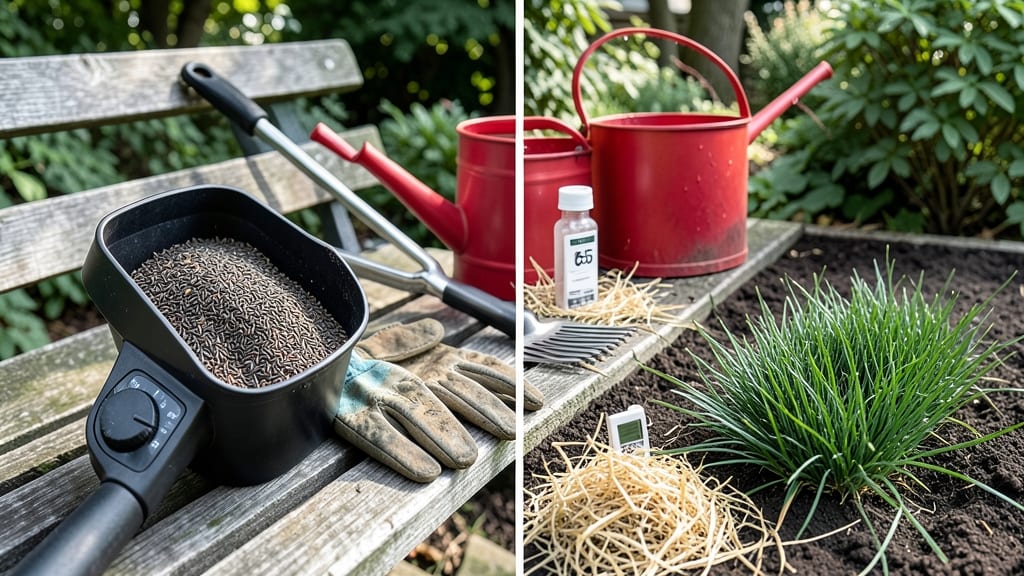
Timing your 🌱 grass seed planting in Pennsylvania wrong can turn your dream green lawn into a patchy, expensive disappointment. Whether you're in the cooler 5b zones or warmer 7a areas, soil temperatures and frost dates are the real dealbreakers - not just the calendar month.
Most gardeners assume "spring" means March, but in Pennsylvania's climate, that's often too early. The ideal window actually opens when soil warms to 55-65°F, which typically means waiting until mid-April or later in northern areas. That's when your seed will finally break dormancy and take root.
Here's the game-changer: Fall planting often gives better results than spring because cooler temperatures reduce weed competition and drought stress.
We'll show you exactly how to time it right for your specific zone, plus the critical soil prep steps that make all the difference between thin grass and that lush carpet look.
Ready to skip the guesswork? Let's walk through the perfect planting schedule, from frost-free deadlines to post-seeding care that keeps your new lawn thriving - no matter which season you choose to plant.
Pennsylvania grass seed planting timeline: soil temperature and frost-free deadlines by Zone
Timing your grass seed planting in Pennsylvania depends on two critical factors: soil temperature and frost-free deadlines. Grass seeds need consistent soil temps between 55°F and 65°F to germinate properly. Planting too early risks frost damage, while waiting too late can lead to summer drought stress.
Let’s break down the ideal windows by USDA zones 5b-7a—the range covering most of PA.
Pennsylvania’s last average frost date is around April 15, but this shifts slightly depending on your region. Northern areas (like Erie) may experience frost until May 1, while southern zones (like Pittsburgh) often see frost-free conditions by April 1.
Similarly, the first average frost date in fall is October 15, with northern areas freezing sooner.
For best results, aim to plant grass seed 2-4 weeks before your last frost date in spring or 4-6 weeks before your first frost date in fall. This timing ensures seeds germinate before extreme temperatures arrive.
In Zone 5b (northwest PA), this means planting between late April and early May in spring or mid-September to early October in fall.
In Zone 6a (central PA), you can start as early as mid-April in spring or push planting into late October in fall.
Meanwhile, Zone 7a (southwest PA) offers a longer window, allowing planting from early March in spring or until mid-November in fall—though late fall plantings should be done 6-8 weeks before frost.
Here’s a quick visual guide to help you decide based on your location:
| USDA Zone | Last Frost Date | First Frost Date | Ideal Spring Planting | Ideal Fall Planting |
|---|---|---|---|---|
| 5b (Erie, State College) | April 25 | October 20 | Late April–Early May | Mid-September–Early October |
| 6a (Harrisburg, Scranton) | April 15 | October 15 | Mid-April–Early May | Late September–Mid-October |
| 7a (Pittsburgh, Reading) | April 1 | November 1 | Early March–Early April | Early September–Late October |
If you’re unsure about your last frost date, check the National Weather Service or use a frost calendar for your county. For example, Philadelphia (Zone 7a) often sees frost-free conditions by March 20, while Wilkes-Barre (Zone 6a) typically waits until April 10.
Always err on the side of caution—cool-season grasses like tall fescue and Kentucky bluegrass (common in PA) thrive when planted in 55°F–65°F soil.
Pro tip: Use a soil thermometer to confirm temps before planting. If soil is still below 50°F, wait a few more weeks. Conversely, if temps exceed 70°F in late spring, switch to fall planting to avoid drought stress and weed competition.
In Pennsylvania’s variable climate, fall planting often yields better results than spring for many homeowners. The cooler temps and consistent moisture in September and October give seeds the perfect environment to establish strong roots before winter.
However, spring planting can work if you’re diligent about watering and weed control.
Regardless of timing, always test your soil pH (ideal range: 6.0–7.0) and amend with compost or lime if needed. Proper prep ensures your grass seed germinates quickly and grows into a lush, resilient lawn.
Ready to dive deeper? Let’s compare spring vs. fall planting next to help you choose the best approach for your PA yard.
Spring vs. fall planting: which offers better grass growth in PA?
Deciding between spring and fall planting in Pennsylvania depends on your patience and local climate challenges. Both seasons offer advantages, but one typically wins for consistent results in our USDA zones 5b-7a.
I've planted grass in both seasons and can tell you fall often gives that lush, weed-free lawn faster.
Spring planting (April-May) gives you a head start on summer growth, but it comes with risks. Early planting can mean battling weed competition and drought stress as temperatures climb. Fall planting (September-October) lets your grass establish roots before winter, giving it a stronger start when spring arrives.
Here's the key difference: Spring grass needs constant moisture to compete with weeds, while fall grass gets cooler temps and natural rainfall to help it take hold. In my experience, fall-planted lawns often look better by next summer because they've had more time to develop deep roots.
🌱
Spring Planting (April-May)
- Faster visible growth in first season
- Can establish before summer heat arrives
- Good for warm-season grasses like Bermuda
- High weed competition
- Requires frequent watering
- Risk of drought stress in summer
Fall Planting (September-October)
- Less weed competition
- Cooler temps reduce watering needs
- Grass establishes roots before winter
- Slower visible growth first season
- Frost can damage new growth
- Limited time window before winter
For Pennsylvania's climate, I recommend fall planting for cool-season grasses like Kentucky Bluegrass and Tall Fescue, which make up most lawns here. These grasses establish better roots in fall and give you that professional-looking lawn by next spring.
If you must plant in spring, aim for late April to early May when soil temps reach 55°F+.
One final tip: If you choose spring planting, apply a pre-emergent herbicide in early spring to control weeds before they compete with your new grass. For fall planting, focus on soil prep and proper seed coverage to maximize germination before winter sets in.
🌿