
Plants
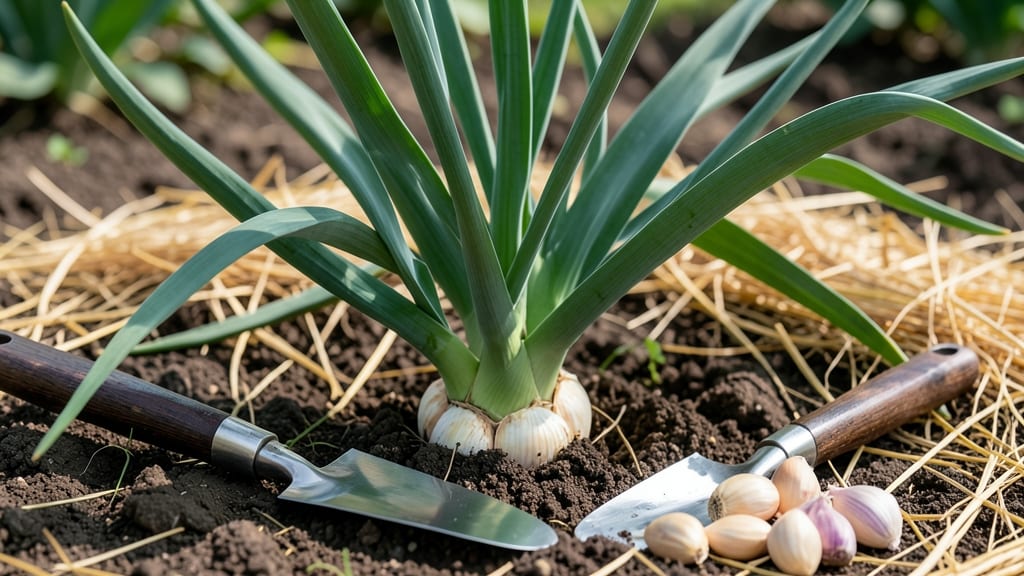
If you're dreaming of a bountiful 🧄 garlic harvest this summer, timing your spring planting in North Carolina is the key to success. Unlike fall planting, spring garlic thrives when soil temperatures consistently stay above 40°F, making February through March your sweet spot—just don’t wait too late!
North Carolina’s 7a-8b climate gives you flexibility, but rushing the process can backfire. Plant too early, and cold soil may stunt growth; too late, and your bulbs won’t mature before summer heat sets in.
The trick? Aim for 4-6 weeks before your last frost date—typically mid-March for most of the state—to give your garlic enough time to establish roots before the growing season kicks into high gear.
I’ve learned the hard way that preparation matters just as much as timing. Whether you’re growing hardneck varieties like Rocambole or softneck types like Silverskin, your soil needs to be loose, well-draining, and rich in organic matter.
We’ll cover exactly how to prep your beds—and what mistakes to avoid—to ensure your garlic thrives from clove to harvest.
Ready to grow bigger, healthier garlic bulbs? Let’s break down the exact steps, from soil prep to planting schedules, so you can enjoy a harvest in June or July—just in time for your favorite summer recipes.
Best planting dates for NC garlic by hardiness Zone & variety
North Carolina’s USDA Zones 7a-8b offer a unique window for spring garlic planting, but timing depends on your variety and microclimate.
Hardneck varieties like Rocky Mountain (Rocmot) and Chesnok Red thrive when planted in early spring, while softneck types such as Silverskin or Artichoke can handle slightly later dates. The key is planting when soil temps hit 40-50°F—ideal for root establishment before summer heat.
For most of NC, the optimal spring planting window is between mid-February and early March. This aligns with the average last frost date of March 15, giving garlic enough time to mature before summer’s peak.
However, gardeners in Zone 8b (southern NC) can push planting to late March, while those in Zone 7a (mountains) should plant by mid-February to avoid late frosts.
Moon phases also play a role in bulb formation. Planting during the waxing moon (when the moon is growing) encourages stronger root development, while the waning moon can lead to smaller bulbs. Check a lunar planting calendar for NC-specific dates to maximize your harvest.
Here’s a quick reference for soil temperature thresholds by planting time:
| Variety Type | Ideal Planting Window | Soil Temp Threshold | Moon Phase Preference |
|---|---|---|---|
| Hardneck (Rocmot, Chesnok) | Mid-February to Early March | 40-50°F | Waxing Moon |
| Softneck (Silverskin, Artichoke) | Late February to Late March | 45-55°F | Waxing or Full Moon |
| Organic or Heirloom | Early March (after last frost) | 50-60°F | Waxing Moon |
If you miss the spring window, don’t panic—NC’s climate allows for a fall planting option (October-November) too. Fall-planted garlic often yields larger bulbs because it avoids summer’s heat stress. However, spring planting is ideal if you’re new to garlic growing, as it simplifies timing around frost dates.
Pro tip: Use a soil thermometer to monitor temperatures. Plant when readings consistently stay above 40°F for 5+ days. This ensures cloves sprout quickly and establish roots before summer’s heat arrives. For real-time updates, check NC State Extension’s frost maps or local weather stations.
Once planted, garlic needs consistent moisture but hates soggy soil. Aim for 1 inch of water per week, delivered in the morning to prevent fungal diseases. Mulch with straw or leaves to retain moisture and regulate soil temps—critical in NC’s humid summers.
Harvest time for spring-planted garlic in NC falls between late June and early July. Look for lower leaves turning brown and bulbs forming tightly wrapped cloves. Dig carefully with a fork to avoid damaging the bulbs, then cure them in a shady, dry place for 2-3 weeks before storage.
For a foolproof approach, mark your calendar for March 1st as your target planting date. Adjust based on your zone, but never plant after April 1st—late spring garlic struggles to mature fully before summer’s heat peaks.
With the right timing, you’ll enjoy plump, flavorful bulbs ready for braiding or cooking by midsummer! 🧄
Best planting dates for NC garlic by hardiness Zone & variety
North Carolina’s USDA Zones 7a-8b offer flexibility for spring garlic planting, but your exact timing depends on whether you’re growing hardneck (like Rocambole or Chess) or softneck (Silverskin or Artichoke) varieties.
Hardnecks need cold exposure to form bulbs, while softnecks don’t—but both thrive when planted after soil warms to 40°F+.
For most of NC, the ideal window is late February through mid-March, giving your garlic 120-150 days to mature before summer heat.
In cooler Zone 7a areas (like the mountains), aim for March 1-15; in warmer Zone 8b (coastal regions), you can push it to mid-March to early April.
🌱 Pro Tip: Check your local last frost date (typically March 15) and plant 4-6 weeks before to avoid stunted growth. Use the NC State Extension’s frost calculator for precise dates.
| Variety Type | Best Planting Window (NC) | Soil Temp Threshold | Moon Phase Tip |
|---|---|---|---|
| Hardneck (Rocambole, Chess) | Late Feb - Mid-Mar (Zone 7a) Mid-Mar - Early Apr (Zone 8b) |
40°F+ (consistent) | Plant during waxing moon for stronger roots |
| Softneck (Silverskin, Artichoke) | Mid-Mar - Early Apr (all zones) | 45°F+ (warmer soil) | Avoid full moon—reduces bulb size |
🌡️ Soil temperature is your best friend here. Use a soil thermometer to confirm readings—cold soil (32°F) can cause rot, while soil 50°F+ speeds up growth. If your soil is still chilly in March, delay planting until it warms naturally or use black plastic mulch to raise temperatures.
For hardneck varieties, prioritize planting in Zone 7a by late February to ensure they get 60 days of cold (below 40°F) before summer. In Zone 8b, focus on softnecks, which tolerate warmer springs better.
Both types need 6+ hours of sun daily, so choose a south-facing bed if possible.
✂️ Final Tip: Break garlic bulbs into individual cloves right before planting—never store them whole after breaking. Plant the pointy end up, 2 inches deep, and space them 4-6 inches apart for optimal airflow and bulb development.