
Companion Plants
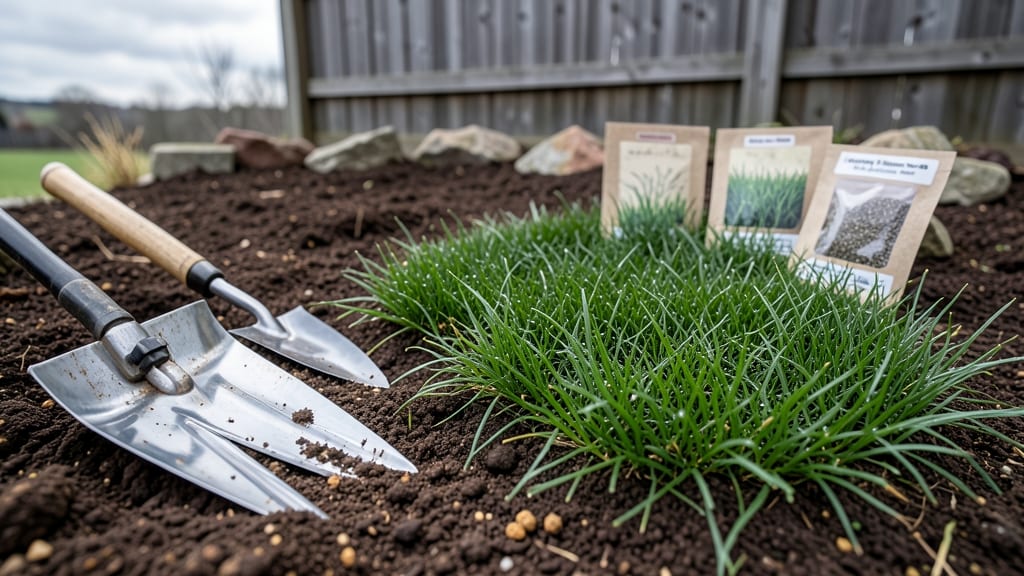
Timing your spring grass planting just right can mean the difference between a lush, green lawn and a patchy, struggling mess. Too early, and frost will kill your tender grass seedlings before they get a chance to take root.
Too late, and summer heat will dry out your soil before the grass can establish itself.
If you're in Zone 6a like many gardeners, you might be wondering exactly when to pull the trigger. The key is waiting until the soil warms up to at least 50°F—but there's more to it than just checking a calendar.
I'll show you how to test your soil temperature the easy way and avoid common mistakes that sabotage lawns before they even start.
Let's break down the science behind fast root growth and how to adjust your planting schedule based on your local climate. Whether you're starting a brand-new lawn or just overseeding your existing one, these tips will help you get it right the first time.
You'll discover when to plant for maximum success, how to spot the perfect conditions, and why some gardeners swear by planting 4-6 weeks before the last frost. Ready to grow a lawn that actually thrives? Let's get started.
Best soil temperature for planting grass in spring (with exact guidelines)
Timing your grass planting to match soil temperature is the #1 factor for success. Grass seeds need warm soil (50°F–65°F) to germinate quickly and establish strong roots before summer heat arrives. Planting too early risks frost damage, while waiting too long can stress young seedlings in hot conditions.
Let’s break down the science and how to test your soil for perfect planting windows.
Most grass varieties—like Kentucky bluegrass or tall fescue—thrive when soil temperatures stay consistently above 50°F. Cooler-season grasses (e.g., ryegrass) can tolerate slightly cooler soil (45°F–50°F), but they still need warmth to break dormancy. The sweet spot? Aim for 55°F–65°F for fastest germination and root growth.
Here’s the catch: air temperature ≠ soil temperature. A 60°F morning might hide 45°F soil, slowing germination. Use a soil thermometer (just $10 at garden centers) to check 2–4 inches deep—this is where seeds will sprout.
Test at 10 AM for the most accurate reading, as early morning temps can be misleading.
If you’re in a northern climate (Zones 3–5), wait until after the last frost date—typically mid-April to early May. In southern regions (Zones 7–10), you can plant as early as February, but monitor for sudden cold snaps.
Pro tip: Overseeding in fall (Zones 5–8) often yields better results than spring planting, but spring is ideal for new lawns.
⚠️ Critical Warning: Planting when soil temps drop below 50°F can delay germination by 3–4 weeks, leaving your lawn vulnerable to weeds and erosion. Conversely, planting in 70°F+ soil causes seeds to dry out before roots establish.
Need a quick DIY test? The potato method works like a charm: bury a raw potato near your planting area for 24 hours. If it feels soft when dug up, soil temps are 50°F–60°F—perfect for planting!
For warmer zones, aim for March–April; in cooler zones, wait until May after the last frost. Pro move: Prep soil 2–4 weeks early by loosening topsoil and removing weeds to give seeds the best start.
Once your soil hits the ideal range, act fast! Grass seeds lose viability quickly in hot, dry conditions. Spread seed evenly on prepped soil, then lightly rake and water 1/4 inch deep to keep moisture consistent. Within 7–14 days, you’ll see sprouts—proof your timing was spot-on!
🌱 Key Takeaway: Soil temperature > air temperature. Use a thermometer, test with the potato trick, and plant when soil hits 50°F–65°F for a lawn that thrives all season.
How to adjust your planting schedule by climate Zone (north vs. south)
Your local climate zone determines whether you should plant grass in early spring or wait until late spring. In northern states like Zone 6a, where I garden, the soil often stays too cold for grass seeds to germinate until mid-to-late April.
Meanwhile, southern regions can start planting as early as February thanks to warmer soil temperatures.
This difference isn't just about dates—it's about avoiding frost damage in the north and heat stress in the south. Let me show you how to adjust your planting schedule based on where you live to give your grass the best possible start.
Here’s how to align your planting with your climate zone for maximum success:
| Region | Ideal Planting Window | Soil Temperature | Last Frost Date | Key Consideration |
|---|---|---|---|---|
| Northern States (Zones 3-5) | Late April to early May | 55°F–65°F | Mid-to-late May | Wait for consistent soil warmth to avoid frost damage. |
| Midwest (Zones 5-7) | Early to mid-April | 50°F–60°F | Early April to mid-May | Plant 4-6 weeks before last frost for root establishment. |
| Southern States (Zones 8-10) | February to early March | 60°F–70°F | Late January to early March | Avoid summer heat by planting early and watering deeply. |
If you're unsure about your last frost date, check the USDA Plant Hardiness Zone Map or ask your local extension office. I always double-check because even a light frost can kill young grass seedlings.
For example, in Zone 6a, planting in early April might seem safe, but a late frost can still damage tender new growth.
Another tip: If you live in an area with unpredictable weather, consider planting cool-season grasses like Kentucky bluegrass or fescue in early spring and warm-season grasses like Bermuda or Zoysia in late spring. This two-step approach gives you flexibility based on your climate.
Remember, the goal is to give your grass seeds enough time to establish roots before summer heat or winter frost sets in. With the right timing, you’ll have a lawn that stays green and healthy all season long. 🌱