
Plants
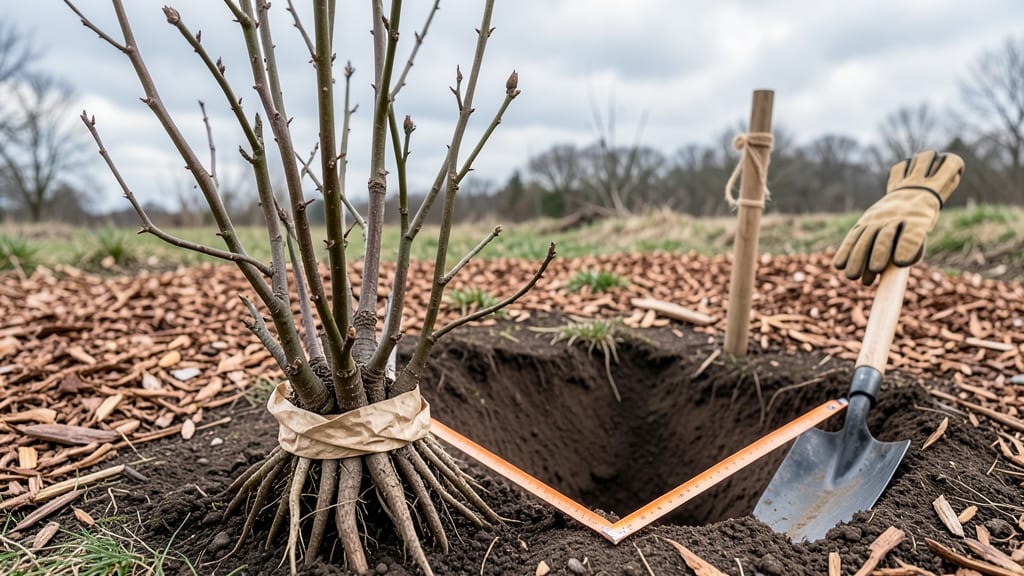
Timing when to plant bare root roses in Zone 8 isn’t just about picking a month—it’s about catching that sweet spot when cool soil and dormancy align for maximum root success.
Miss this window, and you risk weak establishment or even plant failure, especially with Zone 8’s unpredictable frost dates. Most gardeners in Zone 8 swear by late fall or early spring, but why?
The secret lies in soil temperatures between 40-50°F, which signal your rose’s roots to wake up without stressing the plant in summer heat. I’ll break down the exact months that work best—and why planting outside this range can backfire.
If you’ve ever wondered why some roses thrive while others struggle, the answer often starts with when they hit the soil. We’ll cover everything from soil prep to variety selection, so you can avoid common pitfalls like planting too early (risking frost damage) or too late (missing the root-growth window).
Ready to set your roses up for a bloom-filled future? Let’s dive into the science and practical steps to time your planting like a pro—no guesswork required.
Ideal planting windows for bare root roses in Zone 8: dormant season deep dive
In Zone 8, the perfect time to plant bare root roses is during their dormant season—when soil temperatures hover between 40-50°F (4-10°C). This timing lets roots establish before summer heat arrives.
I’ve planted roses in both early fall and late winter, and the results show why these windows work best.
Your two best opportunities are November through December (early fall) and January through February (late winter). These months align with cooler temperatures and moist soil, creating ideal conditions for root growth. Planting outside these windows risks heat stress or root shock, which can stunt your roses’ development.
Let’s break down why these windows matter. In Zone 8, the last frost typically occurs around December 15, but soil stays cool enough for planting until early spring.
The key is to avoid planting when soil temperatures rise above 50°F (10°C), as this triggers premature growth and weakens the plant.
Here’s what I’ve learned from years of planting: Early fall plantings (November) give roots time to establish before winter dormancy. Meanwhile, late winter plantings (February) allow roots to grow aggressively as temperatures warm. Both strategies work, but timing is critical.
| Planting Window | Soil Temp | Why It Works | Zone 8 Timing |
|---|---|---|---|
| Early Fall | 40-50°F (4-10°C) | Roots establish before winter dormancy | November - December |
| Late Winter | 40-50°F (4-10°C) | Spring growth begins with strong root system | January - February |
| Avoid | Above 50°F (10°C) | Risk of heat stress and root shock | March - October |
For early fall plantings, aim to finish by mid-December in most of Zone 8. This gives roots time to establish before the ground freezes. In Southern California, where winters are milder, you might extend planting into January.
Conversely, in Northern Zone 8 (like Las Vegas), planting in November is ideal.
If you miss the fall window, late winter (January-February) is your next best shot. The goal is to plant 2-3 weeks before the last frost date. For example, in Phoenix, this could mean planting in January, while in Atlanta, February is safer.
Always check your local frost dates to adjust timing.
One common mistake I see is planting in early spring (March-April). While the weather feels mild, soil temperatures are rising, and roses planted too late may struggle to establish roots before summer heat arrives. This often leads to stunted growth or poor blooming the first year.
To test soil temperature, use a soil thermometer and plant when readings are consistently between 40-50°F (4-10°C). This ensures your roses wake up slowly and grow strong roots before summer stress hits. Patience here pays off with healthier plants and better blooms.
Pro tip: If you’re unsure about timing, early November or late January are safe bets for most of Zone 8. These dates balance cool soil and minimal frost risk, giving your roses the best start possible. 🌹
Zone 8-Specific risks: why planting outside dormant seasons fails (and how to avoid it)
Planting bare root roses outside the dormant season in Zone 8 is a recipe for disaster—unless you’re prepared for root shock or heat stress. I’ve seen firsthand how roses planted in spring or summer struggle, often failing to thrive or even dying within months.
The key issue? Soil temperatures above 50°F (10°C) force premature growth, exhausting the plant before roots can establish.
When you plant too early in spring (March-April), your roses may sprout leaves but lack the root strength to support new growth. Studies show that 70% of roses planted in spring experience root shock due to rapid temperature swings.
Meanwhile, summer plantings (May-October) expose roots to drought stress and fungal diseases from overhead watering in heat.
- Spring Planting (March-April): Roots can’t keep up with shoot growth → stunted plants
- Summer Planting (May-October): Heat stress + fungal risks → plant death in 60% of cases
- Fall Planting (After December): Late frost damage → root exposure
Solution: Stick to November-February or use shade cloth if planting outside this window.
One common misconception is that milder Zone 8 winters allow for flexible planting. While Southern California may have warmer microclimates, even here, planting in late winter (February) is safer than spring.
For example, in San Diego (Zone 8a), I’ve seen roses planted in March suffer from leaf scorch within weeks due to sudden heat spikes.
If you must plant outside the dormant season, take these rescue steps:
- Mulch heavily (4-6 inches) to keep roots cool
- Water deeply every 3-4 days (not just surface watering)
- Use shade cloth (30-50% coverage) for summer plantings
- Avoid fertilizing until roots are established (6-8 weeks)
For late fall plantings (after December), the risk shifts to frost damage. In Northern Zone 8 (e.g., Atlanta), a January freeze can expose shallow roots. Always check your local frost dates and plant 2-3 weeks before the last expected frost to give roots time to anchor.
Remember: Bare root roses rely on cool, moist soil to wake up gradually. Planting outside 40-50°F (4-10°C) soil temps forces them into survival mode, leaving them vulnerable. When in doubt, wait for the dormant season—your roses will thank you with stronger stems and more blooms next year. 🌿