
Plants
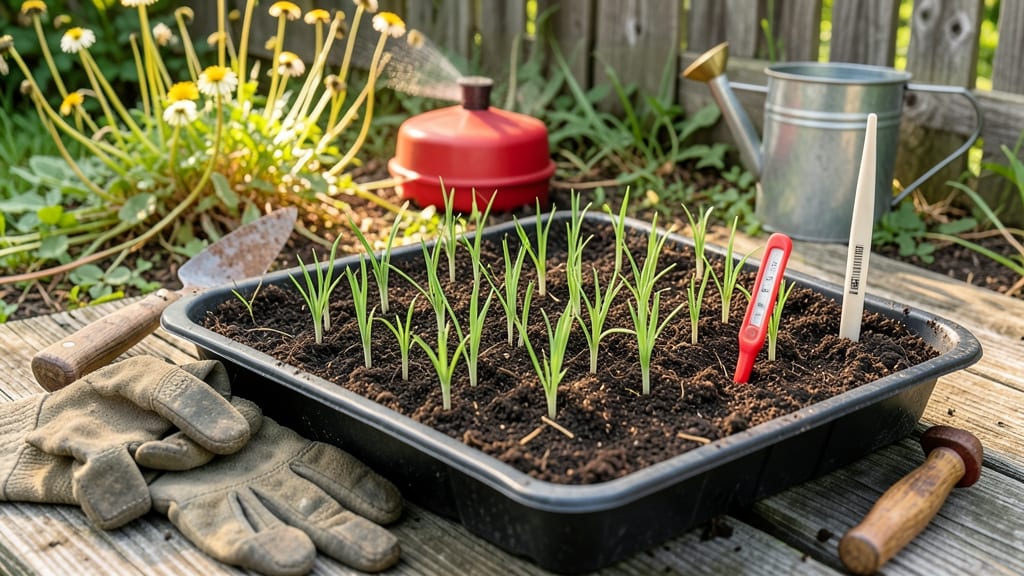
Planting Bermuda grass seed at the wrong time in Oklahoma can mean wasted seeds, poor establishment, and a weak lawn—so knowing the perfect window is critical for success. With Oklahoma's 6a-8a climate zones and unpredictable spring weather, timing is everything for your 🌱 Bermuda Grass to thrive.
Most gardeners make the mistake of rushing in too early, only to watch their seeds fail when frost creeps back. The ideal planting window—mid-April to mid-May—aligns with soil temperatures reaching 75°F+, giving your grass the best chance to establish strong roots before summer heat arrives.
In this guide, I’ll break down the exact frost-free timeline for your region, soil prep secrets, and how to avoid common pitfalls that ruin lawns before they even begin. Whether you're in northern Oklahoma or the southern plains, these insights will help you plant with confidence.
Ready to grow a lush, drought-resistant lawn? Let’s dive into the science-backed steps that separate successful Bermuda grass plantings from disappointing failures.
Optimal planting windows for Bermuda seed in Oklahoma by region
Oklahoma’s diverse climate means Bermuda grass planting times vary by region—from Northern areas with later frost dates to Southern zones where heat arrives earlier. Timing your seed drop after the last frost (typically mid-April) and when soil hits 75°F+ is critical for germination success.
In Northern Oklahoma (USDA zones 6a-7a), aim for late April to early May when frost risk fades and daytime temps stabilize. Central Oklahoma (zone 7b) can plant mid-April to mid-May, while Southern Oklahoma (zone 8a) has a wider window from mid-March to early June—but avoid summer heatwaves that stress young seedlings.
| Region | USDA Zone | Last Frost Date | Optimal Planting Window | Soil Temp Requirement |
|---|---|---|---|---|
| Northern OK | 6a-7a | Mid-April | Late April–Early May | 75°F+ |
| Central OK | 7b | Early April | Mid-April–Mid-May | 75°F+ |
| Southern OK | 8a | Late March | Mid-March–Early June | 70°F+ (earlier) |
Check your local Almanac frost dates—Oklahoma’s Northern Panhandle can see frost into May, while Southwest Oklahoma may already be 80°F+ by March. Use a soil thermometer ($10 at garden centers) to confirm readiness—Bermuda seed won’t germinate below 65°F, but 75°F+ is ideal for rapid sprouting.
For late plantings (June+), choose heat-tolerant varieties like Tifway 419 or Riverstar, which handle Oklahoma’s 100°F+ summers. However, seedlings struggle in extreme heat, so avoid planting during July-August droughts unless you’re irrigating heavily.
Pro tip: Overseed in fall (September) for Northern Oklahoma to extend your lawn’s growing season. Bermuda goes dormant in winter but rebounds faster with a cool-season boost—just rake out debris first to expose soil for new seed.
Always test your soil pH (aim for 6.0-7.0) before planting—alkaline Oklahoma soil often needs sulfur amendments to prevent chlorosis (yellowing). A simple $15 soil test kit from your local OSU Extension office saves headaches later.
If you’re in transition zones (like Oklahoma City), split your planting: 50% in April and 50% in May to hedge against unpredictable spring weather. Bermuda seed stays viable for 2-3 years, so buy fresh seed and store extras in a cool, dry place for next year.
Remember: Shade matters. Bermuda needs 6+ hours of sun daily—if your yard has trees or structures casting afternoon shade, consider shade-tolerant alternatives like Zoysia or Fescue for those spots.
For Oklahoma-specific advice, call your local OSU Extension office—they’ll confirm microclimate quirks (like urban heat islands in Tulsa or wind exposure in the Panhandle) that can shift your ideal planting window by 1-2 weeks.
Soil temperature and weather conditions for Bermuda seed germination
Bermuda grass seeds need consistent warmth to sprout successfully, making soil temperature the most critical factor in Oklahoma. Seeds won’t germinate until the soil reaches 75°F or higher, which typically happens in late April to early May across most of the state.
Using a soil thermometer is essential—planting too early when soil is still cool (below 65°F) leads to slow germination or complete failure. In southern Oklahoma, where heat arrives earlier, you might start as early as mid-April, while northern areas should wait until late May.
Beyond temperature, Bermuda grass thrives with high humidity and moderate rainfall. Oklahoma’s spring often brings variable weather, so plan to water lightly (about ¼ inch daily) until seeds sprout. Overwatering can wash seeds away, while underwatering causes them to dry out.
| Requirement | Specification |
|---|---|
| Soil Temperature | 75°F+ (critical for germination) |
| Humidity Level | 60%+ (supports seed viability) |
| Rainfall Needs | 1-1.5 inches weekly (adjust for drought) |
| Wind Conditions | Calm or light breeze (prevents seed displacement) |
| Sunlight Hours | 6+ hours daily (full sun required) |
Oklahoma’s heat index can also impact germination. If temperatures exceed 90°F before seeds sprout, they may dry out or fail to establish roots. To mitigate this, use light mulch (like straw) to retain moisture and protect seeds from extreme heat until they germinate.
Monitor local weather forecasts for prolonged dry spells or heatwaves. If a 10-day forecast predicts highs above 95°F, delay planting until conditions cool slightly. Patience here ensures your Bermuda grass gets off to a strong start.
Finally, avoid planting during heavy rain events, which can compact soil and suffocate seeds. Aim for 3-5 days of dry weather after sowing to allow seeds to settle into the soil and begin germinating.