
Flowers
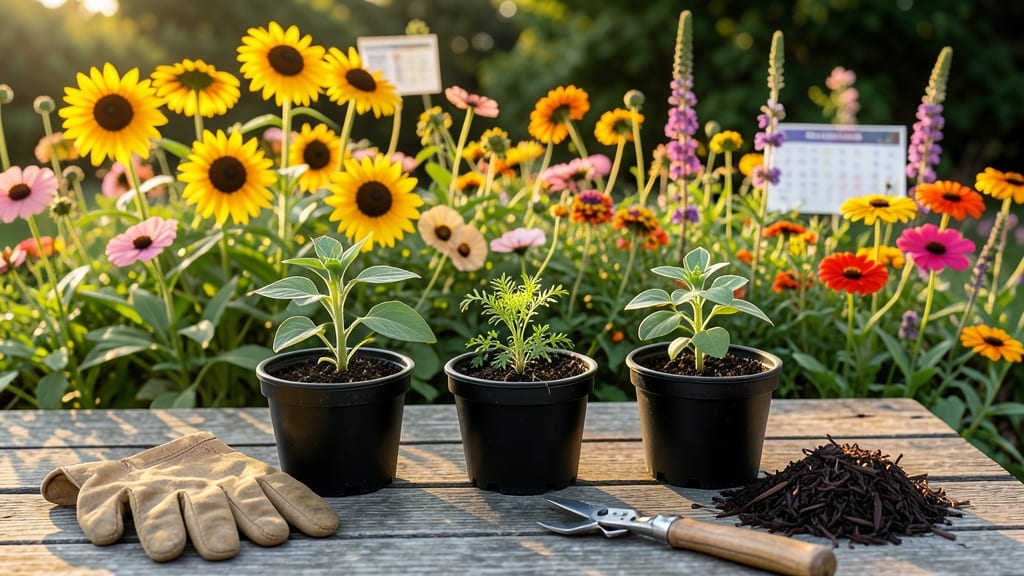
When to plant flowers in Alabama can mean the difference between a garden bursting with color and one that fades before it even begins. With USDA zones 7a-8b and two distinct planting seasons, knowing exactly when to plant is the key to year-round blooms.
Alabama’s mild winters and long growing season give you flexibility, but rushing too early or waiting too late can leave your 🌸 vulnerable to frost or scorching heat. Whether you’re planting azaleas in spring or camellias in fall, getting the timing right ensures your garden thrives.
In this guide, I’ll break down the best months for planting annuals, perennials, and seasonal favorites—plus how to adjust for your specific microclimate. No more guessing when to dig in your shovel!
Let’s turn your Alabama garden into a nonstop showstopper with the perfect planting schedule for every type of flower.
Alabama planting months by flower type: cool-season vs warm-season flowers
Alabama’s USDA zones 7A-8B create a unique growing window where cool-season flowers thrive in early spring and fall, while warm-season bloomers take center stage from late spring through summer.
The key? Understanding your microclimate—North Alabama’s cooler pockets (like Huntsville) may need a later start than the Gulf Coast’s Mobile or Daphne.
For cool-season annuals like pansies and snapdragons, aim for February-March planting in most of Alabama. In Zone 7A (like Cullman), wait until late March to avoid frost damage, while Zone 8B (like Andalusia) can start as early as January for heat-tolerant varieties.
Warm-season favorites such as petunias and marigolds should wait until after your last frost date—typically mid-March in North Alabama and February in South Alabama. Planting too early risks frost damage or stunted growth from cool soil temperatures.
Perennials like azaleas and camellias (Alabama’s state flower!) prefer fall planting (September-October) to establish roots before winter. Bulbs like tulips and daffodils should go in October-November for spring blooms, while native wildflowers (like black-eyed Susans) thrive when sown in late winter.
Here’s how Alabama’s microclimates shift planting windows:
Extend your blooming season by interplanting: Pair spring bulbs (like tulips) with fall-planted annuals (e.g., mums) to create a continuous color palette. In Zone 8B, you can even grow tropical flowers like hibiscus year-round with minimal protection.
Pro tip: Use soil thermometers to check if soil is warm enough (aim for 60°F+ for warm-season plants). In North Alabama’s cooler zones, wait until soil reaches 50°F for cool-season crops to avoid root rot.
For container gardening, warm-season flowers can start 4-6 weeks indoors (by March 1) to jumpstart growth. Just remember: Alabama’s humidity means good drainage is non-negotiable—use pots with drainage holes and well-amended soil.
Don’t overlook fall planting! Many perennials and bulbs prefer cooler temps, and Alabama’s fall colors (like chrysanthemums) peak in October-November. Plant 6-8 weeks before first frost (typically mid-October) for best results.
🌱
How to adjust planting dates for Alabama’s frost zones 7A-8B
Alabama’s USDA zones 7a-8b give you a long growing season, but frost dates can still catch you off guard. In Zone 7a (North Alabama), the last frost typically hits around March 15-30, while Zone 8b (South Alabama) may see frost as late as April 15.
Knowing these dates helps you avoid planting too early and risking frost damage.
For spring planting, wait until 2-3 weeks after your last frost date—this ensures soil temperatures are warm enough for seeds to germinate. Use a soil thermometer to confirm: most flowers need soil temps above 60°F (15°C).
In Zone 7a, this often means planting in late March or early April, while Zone 8b gardeners can start as early as February.
⚠️ Frost Warning
Never plant warm-season flowers (like zinnias or marigolds) before your last frost date—even if the air feels warm. Soil temperature is the real indicator, not air temperature. A late frost in April can still kill tender seedlings!
Use row covers or cold frames to protect early plantings if frost is forecasted. For fall planting, start 6-8 weeks before your first frost (typically October 15-November 1 in Zone 7a, later in Zone 8b).
Alabama’s microclimates add another layer of complexity. Mountain regions (like Huntsville) may experience frost 2-3 weeks later than coastal areas (like Mobile). Check local Alabama Cooperative Extension frost maps or use a frost calendar app for your exact location.
Even a 5-mile difference in elevation can shift frost dates by 1-2 weeks.
To extend your growing season, try these tricks: Use black plastic mulch to warm soil faster in spring, or plant heat-tolerant varieties like Lantana or Salvia for summer color. For fall, plant bulbs like tulips in November—they’ll bloom early next spring before summer heat sets in.
Pro tip: Mark your calendar with your average frost dates and adjust planting windows by 1-2 weeks based on your microclimate. For example, if your area typically sees frost on March 20, aim to plant cool-season flowers by March 1 and warm-season flowers by April 15.
This flexibility keeps your garden blooming year-round.
Remember, Alabama’s humidity also plays a role. Overwatering in summer can lead to fungal issues, so adjust your watering schedule based on rainfall and heat waves. A drip irrigation system helps maintain consistent moisture without soggy soil.