
Plants
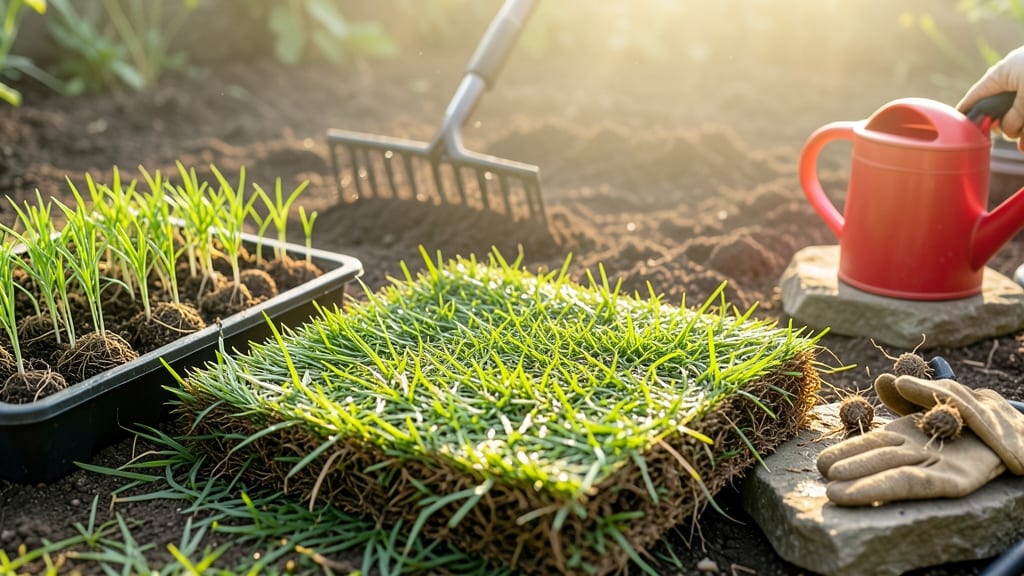
If you’re dreaming of a thick, sun-proof lawn in Mississippi, timing your Bermuda grass 🌱 planting is everything. Plant too early, and frost will kill your efforts. Too late, and your grass struggles to establish before summer’s brutal heat.
The secret? Lock in those ideal months—March to May or August to September—when soil temps hit 65°F and stay there.
Mississippi’s 8a-9a climate gives you two prime chances to plant: spring for a head start or late summer for a fall boost. But here’s the catch—North Mississippi’s cooler pockets need slightly different timing than the South’s sweltering heat.
Skip the guesswork and learn the exact windows that’ll give you that drought-resistant, traffic-tough lawn you crave.
I’ve seen firsthand how a 5-minute prep mistake can derail months of work—like ignoring soil pH or rushing the planting window. That’s why I’m breaking down the step-by-step schedule that works for Mississippi’s unique conditions, from clay-heavy soils to hurricane season risks. Let’s get your lawn growing right.
Ready to ditch the patchy, struggling grass? This guide cuts through the confusion so you can plant with confidence—no more second-guessing. Grab your notes, and let’s turn your Mississippi yard into the envy of the neighborhood.
Best planting months for Bermuda grass in Mississippi’s climate zones
Mississippi’s climate varies dramatically from the cooler North to the warmer South, so your planting window depends on your exact location. The ideal time to plant Bermuda grass is when soil temperatures consistently stay above 65°F—typically March to May for most regions.
However, Southern Mississippi can start as early as February, while Northern areas may wait until late April.
Bermuda grass thrives in heat, but it needs a strong start. Planting too early—when frost risk lingers—can stunt growth, while waiting too late may leave your lawn vulnerable to summer weeds.
Mississippi’s last frost date averages around March 15, but microclimates in the Delta or Gulf Coast can push this earlier.
For a second planting window, late summer (August to September) works well. This gives Bermuda grass time to establish roots before fall dormancy. However, avoid planting in June or July—Mississippi’s peak heat and humidity can stress young grass.
| Zone | Best Planting Window | Soil Temp Threshold | Key Consideration |
|---|---|---|---|
| Northern MS (USDA 8a) | Late April–May | 65°F+ | Wait for frost risk to pass |
| Central MS (USDA 8a-9a) | March–April | 65°F+ | Balanced heat and humidity |
| Southern MS (USDA 9a) | February–March | 65°F+ | Early start avoids summer stress |
| All Zones (Fall) | August–September | 70°F+ | Pre-winter root development |
If you’re planting sod instead of seed, your window is slightly wider. Sod establishes faster, so you can install it as late as June in Southern Mississippi, but aim for May in Northern areas to avoid summer stress. Always check for drought warnings—Bermuda grass needs consistent moisture to root.
Mississippi’s clay-heavy soils can slow germination, so pre-warming the soil with black plastic (laid 2–3 weeks before planting) helps. In sandy soils (common in the Delta), water more frequently to prevent drying out.
Test your soil’s pH level—Bermuda grass prefers 6.0 to 7.5, and Mississippi’s native soil often skews acidic.
Pro tip: Use a soil thermometer to confirm temperatures. Plant when readings hit 65°F for 5+ days. This ensures your grass won’t shock from sudden heat spikes. In humid Mississippi summers, morning planting (before 10 AM) reduces seed/seedling stress from afternoon sun.
For bare-root plugs, follow the same timing as seeds but space them 6–12 inches apart. They establish faster than seeds but require even moisture for the first 3 weeks. Mulch lightly with straw (not wood chips) to retain moisture without smothering young growth.
Mississippi’s hurricane season (June–November) adds another layer. If planting in late summer, choose dwarf varieties like ‘Tifway’ or ‘TifSport’—they handle wind better than tall types. Avoid planting after August 15 in coastal areas to prevent storm damage to new growth.
Best planting months for Bermuda grass in Mississippi’s climate zones
Mississippi’s 8a-9a climate creates two ideal windows for planting Bermuda grass 🌱: spring and late summer. The key is waiting until soil temperatures hit 65°F—any earlier, and frost will kill your grass.
In North Mississippi, aim for mid-March to May, while South Mississippi’s warmer microclimates extend your window to late February to June.
Spring planting gives your grass a 6-8 week head start before summer’s heat, but late summer (August-September) planting helps it establish before winter dormancy. The difference? Spring grass grows faster but needs more water, while fall-planted grass roots deeper for drought resistance.
Soil temperature is your best guide—use a soil thermometer to confirm 65°F+ before planting. In Mississippi, this typically aligns with April 15 for North and March 15 for South, but always verify locally. Skipping this step is how patchy lawns start.
Mississippi’s humidity and heat make summer planting risky—seeds can bake before germinating. Instead, opt for sod in June if you miss spring, as it establishes faster.
For seeds, stick to spring or fall for best results. Pro tip: Test your soil’s pH (aim for 6.0-7.0) before planting—Bermuda grass hates acidic soil.
If you’re in North Mississippi, don’t rush—wait until after May 15 to avoid frost damage. In the South, you’ve got more flexibility, but June planting requires daily watering to prevent seed desiccation. I’ve seen lawns fail here because homeowners ignored this critical detail.
For hurricane-prone areas, plant in late summer (August) so grass has time to root before storms. Use starter fertilizer with high phosphorus to boost root growth—this is non-negotiable in Mississippi’s clay-heavy soils. Your grass will thank you when summer hits.