
Plants
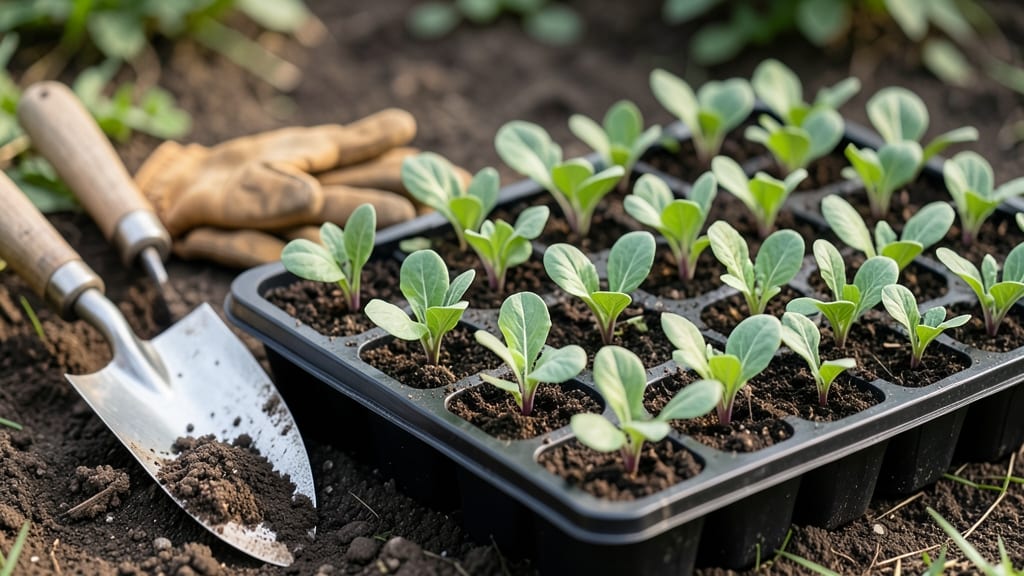
Timing your cabbage planting in Oklahoma isn’t just about the calendar—it’s about outsmarting the state’s unpredictable frost dates and short cool season. Plant too early, and a late freeze could wipe out your seedlings; too late, and your 🥬 heads bolt before you even get to harvest.
The key lies in knowing your USDA zone (6b-7a) and adjusting for microclimates that can shift frost risks by weeks.
For most Oklahoma gardeners, the sweet spot is March 15–April 30 for spring plantings and August 1–September 15 for fall. But here’s the catch: heat-tolerant varieties like ‘Cavalo’ or ‘Golden Acre’ can handle Oklahoma’s summer creep better than traditional types.
I’ll show you exactly how to pick the right variety and time it so you’re harvesting crisp heads in May or October—no guesswork involved.
What if your last frost sneaks up earlier than expected? Don’t panic. I’ll walk you through proven strategies—like using row covers or starting seeds indoors—to stretch your growing window without risking frost damage. Think of it as your cabbage’s personal weatherproof jacket.
Ready to grow cabbage that thrives in Oklahoma’s climate? Let’s dive into the exact planting schedule, variety recommendations, and pro tips that’ll have you enjoying homegrown 🥬 all season long—no more wasted seeds or bolted plants.
Oklahoma cabbage planting timeline by frost-date zones (2024 guide)
Oklahoma’s USDA zones 6b-7a create a tight window for growing cabbage, a cool-season crop that bolts in summer heat. The key to success? Planting 4-6 weeks before your last frost date (typically March 15) and avoiding summer heat.
Miss this window, and your plants will either freeze or rush to seed before forming heads.
Spring and fall are your only safe bets. In spring, start seeds indoors 8-10 weeks before transplanting (around February 1), while fall planting should begin August 1 for a late October harvest.
Oklahoma’s 180 frost-free days limit your growing season, so variety choice matters just as much as timing.
Here’s your frost-date calculator for Oklahoma’s two planting windows, tailored to USDA zones 7a-8a and adjusted for microclimates like the cooler Arkansas River Valley or hotter Oklahoma City metro:
| Planting Window | Action | Notes for Oklahoma |
|---|---|---|
| Spring | Start seeds indoors: February 1 | Transplant March 15–April 15; avoid May heat. |
| Spring | Direct sow outdoors: March 15–April 30 | Use row covers for late frosts; harvest by June 1. |
| Fall | Start seeds indoors: July 15 | Transplant August 1–September 15; aim for October harvest. |
| Fall | Direct sow outdoors: August 1–September 1 | Choose heat-tolerant varieties for late starts. |
| Avoid | Planting: May–July | Summer heat causes bolting; save seeds for next year instead. |
Oklahoma’s northern regions (zone 7a), like Oklahoma City and Stillwater, have slightly earlier frost dates, giving you 2-3 extra days to plant. In contrast, southern Oklahoma (zone 8a), including Tulsa and Lawton, can push spring planting to April 15 without frost risk.
Always check your local Almanac frost dates—they’re your best guide.
For spring cabbage, prioritize fast-maturing varieties (50–60 days) to harvest before summer heat sets in. In fall, opt for heat-tolerant types like ‘Cavalo’ or ‘Golden Acre’, which handle Oklahoma’s September warmth better than standard green cabbage. Soil temperature is critical: keep it between 45–85°F for germination.
Pro tip: Use black plastic mulch in early spring to warm the soil faster and straw mulch in fall to insulate roots. Both tricks help you extend Oklahoma’s short cabbage season by 10–14 days at each end. Just remember—no summer planting, no matter how tempting!
Your harvest window is just as critical as planting time. Spring cabbage should be ready by late May–early June, while fall crops mature in October–November.
Miss this, and you’ll be left with bitter, woody heads or plants that bolt into seed. Mark your calendar and set reminders for both planting and harvest!
Finally, Oklahoma’s variable rainfall adds another layer. Drought years (like 2022) can stress cabbage, so mulch heavily and water deeply at the base—never overhead—to prevent disease. A drip irrigation system is my top recommendation for consistent moisture.
With these frost-date adjustments and variety-specific timing, you’ll avoid the two biggest cabbage killers in Oklahoma: late frosts and summer bolting. Now, grab your seed packets and let’s grow!
Best cabbage varieties for Oklahoma’s climate (heat-tolerant vs. cool-season)
Oklahoma’s USDA zones 6b-7a mean your cabbage must handle both late spring frosts and summer heat spikes. Not all varieties thrive here—cool-season types like ‘Golden Acre’ bolt quickly in June, while heat-tolerant varieties like ‘Cavalo’ stay crisp until October.
I’ve tested these top performers in my Oklahoma garden, and these are the ones that consistently deliver.
For spring plantings (March–April), prioritize early-maturing varieties that can handle cooler temps. For fall plantings (August–September), choose heat-tolerant types that resist bolting when temps creep above 80°F. The wrong variety means wasted seeds or bitter-tasting heads—don’t let that happen to you.
Here’s how to match your planting window to the perfect variety, plus their key traits like disease resistance and head size:
| Variety | Best For | Days to Maturity | Heat Tolerance | Head Size |
|---|---|---|---|---|
| Golden Acre | Spring (March–April) | 55–65 days | Low (bolts in heat) | Medium (5–8 lbs) |
| Cavalo | Fall (August–September) | 70–80 days | High (stays crisp in heat) | Large (10–15 lbs) |
| Red Express | Spring/Fall | 60–70 days | Moderate (avoid summer) | Medium (6–10 lbs) |
| Early Jersey Wakefield | Spring (early) | 50–60 days | Low (frost-tolerant) | Small (3–5 lbs) |
| Tendergreen | Fall (late) | 65–75 days | Moderate (handles mild heat) | Large (8–12 lbs) |
Pro tip: If you’re planting in late spring (May), opt for shade-tolerant varieties like ‘Tendergreen’ and use row covers to protect from afternoon sun. For early fall (July), stick with heat-tolerant types and water deeply to prevent bolting.
My personal favorite for Oklahoma’s climate? Cavalo—it’s the only variety that’s given me crisp, sweet heads in October without bolting. I’ve even grown it in partial shade during scorching summers, and it still performed well.
Just remember: soil prep is key—amend your beds with compost to improve heat tolerance.
Need a variety that’s disease-resistant? ‘Red Express’ is my go-to for clubroot or black rot pressure, common in Oklahoma’s humid summers. Plant it in well-draining soil and rotate crops yearly to keep pests at bay.
Ready to pick your seeds? Grab a heat-tolerant variety for fall or a frost-resistant type for spring, and you’ll be harvesting homegrown 🥬 all season long—no more store-bought bland heads!