
Plants
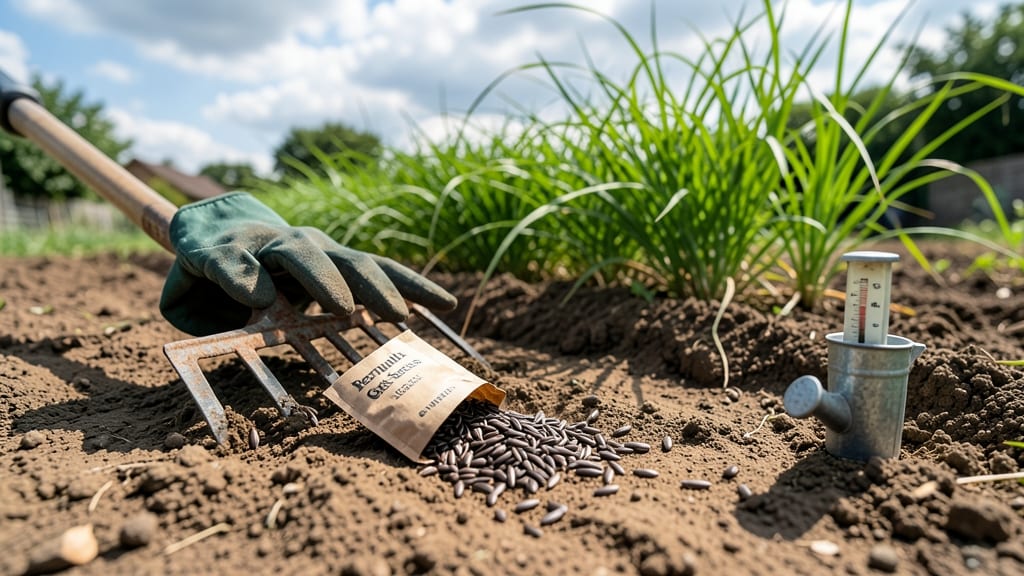
Timing your Bermuda Grass seed planting in Arkansas could make or break your lawn’s success—get it wrong, and you’re staring at patchy growth or wasted seed.
The key? Waiting until soil temperatures hit 75°F+ and all frost risk fades, which typically lands in late spring to early summer (May-June).
Here’s the catch: Arkansas’ 7a-8b zones mean northern areas like Fayetteville play by slightly different rules than southern spots near Little Rock. A few degrees or two weeks can turn a thriving lawn into a struggle, especially when summer humidity cranks up.
I’ll break down exactly when to plant based on your local microclimate, how to prep soil for maximum germination, and what to watch for after those first seeds hit the dirt. Skip the guesswork—your future lawn will thank you.
Ready to turn your yard into a sun-soaked Bermuda paradise? Let’s dive into the perfect planting window and avoid the mistakes that kill grass before it even starts.
Best planting timeline for Arkansas Bermuda grass seed based on soil temperature
Timing your Bermuda grass seed planting is critical in Arkansas, where USDA zones 7a-8b create a delicate balance between soil warmth and frost risk. Unlike cool-season grasses, Bermuda thrives only when soil temperatures consistently hit 75°F+—a threshold that varies dramatically between Arkansas’s northern and southern regions.
In northern Arkansas (zone 7a), this typically means waiting until late May to early June, while southern Arkansas (zone 8b) gardeners can start as early as mid-April.
Bermuda grass is a warm-season grass, meaning it won’t germinate until the ground is warm enough to support its aggressive growth habit. Planting too early—when soil temps dip below 65°F—can leave seeds dormant or invite fungal diseases.
Conversely, delaying past early July risks exposing young seedlings to Arkansas’s intense summer heat and potential drought stress. The ideal window is when daytime highs consistently reach 85°F+ and nighttime lows stay above 68°F.
| Arkansas Region | USDA Zone | Soil Temp Threshold | Best Planting Window | Key Risk |
|---|---|---|---|---|
| Northern Arkansas | 7a | 75°F+ (consistent) | Late May - Early June | Early frost or cool soil |
| Central Arkansas | 7b-8a | 72°F+ (minimum) | Mid-April - Late May | Unpredictable spring rains |
| Southern Arkansas | 8b | 70°F+ (earlier germination) | Mid-April - Early June | Summer drought stress |
To pinpoint your exact planting window, use a soil thermometer—the gold standard for Bermuda grass success. Insert it 2 inches deep in your lawn area and monitor readings for 3-5 consecutive days.
If temps hover around 75°F during the day and don’t drop below 68°F at night, it’s time to plant. Pro tip: Check readings in the late afternoon when soil has absorbed maximum heat from the day’s sun.
Arkansas’s microclimates can create 2-4 week differences in planting readiness. For example, Fayetteville (zone 7a) may not see ideal conditions until June 10, while El Dorado (zone 8b) could start as early as April 20.
Use local cooperative extension service data (like UA’s Arkansas Agricultural Experiment Station) to refine your timeline. Their frost-free date calculators account for Arkansas’s variable humidity and unpredictable weather patterns.
One common mistake Arkansas gardeners make is planting Bermuda grass seed in fall, assuming it’s similar to cool-season grasses. While Bermuda can survive mild winters in zone 8b, it won’t germinate until spring warmth returns.
Fall planting only works if you’re sodding (using established plugs), not seeding. For seeds, spring/early summer is non-negotiable—this is when Bermuda’s rhizomes and stolons establish the dense network that makes it drought-resistant.
If you’re in zone 7a and worried about a late frost, consider starter fertilizer with phosphorus (P) to jumpstart root growth. Products like 10-20-10 can help young Bermuda grass outpace frost damage by accelerating establishment.
Just avoid high-nitrogen fertilizers until after germination—too much nitrogen can burn tender seedlings and attract pests like chinch bugs, which thrive in Arkansas’s humid summers.
For container gardening in Arkansas, extend your planting window by 2-3 weeks using black plastic mulch or heat-absorbing fabric.
These materials raise soil temps by 5-10°F, allowing you to plant Bermuda grass seed in late April even in zone 7a. Just remove the mulch once seedlings emerge to prevent overheating, which can bleach the grass and stunt growth.
Remember: Bermuda grass’s aggressive spread is both its strength and its challenge. Planting at the right time ensures you maximize its natural drought tolerance while minimizing the weed competition that plagues Arkansas lawns during spring and fall.
Once established, your Bermuda lawn will thrive through Arkansas’s hot, humid summers with minimal care—just don’t rush the process.
🌱
Best planting timeline for Arkansas Bermuda grass seed based on soil temperature
Bermuda grass thrives in warm soil and hot weather, so timing your Arkansas planting is all about waiting for the perfect conditions. The ideal soil temperature for germination is 75°F+, which typically arrives in late spring to early summer (May-June) across most of the state.
Arkansas spans USDA zones 6-8, meaning northern areas like Fayetteville (zone 7a) may need to wait until early June, while southern spots near Little Rock (zone 8a) can plant as early as mid-May. Always check your local frost dates—late frosts can kill young seedlings.
Here’s how to time it right based on your Arkansas microclimate:
| Zone | Best Planting Window | Soil Temp Threshold | Key Consideration |
|---|---|---|---|
| 7a (North AR) | Early June | 75°F+ | Wait for consistent warmth; late frosts common |
| 7b (Central AR) | Late May-June | 75°F+ | Balanced climate; monitor soil temps weekly |
| 8a-8b (South AR) | Mid-May | 70°F+ | Warmer early; watch for summer drought |
Spring planting is the gold standard for Bermuda grass in Arkansas, but you can also try late summer (August) if your area experiences early frosts. Avoid fall planting—cool temps slow germination, and seedlings won’t establish before winter dormancy.
Pro tip: Use a soil thermometer to confirm temps before planting. Bury it 2-3 inches deep and check daily until you hit 75°F consistently. Patience here means faster, stronger growth later.
Once you’ve nailed the timing, focus on prepping your soil—Bermuda grass hates competition, so remove weeds and loosen compacted soil to 2-3 inches deep. This step alone can double your germination rates.