
Companion Plants
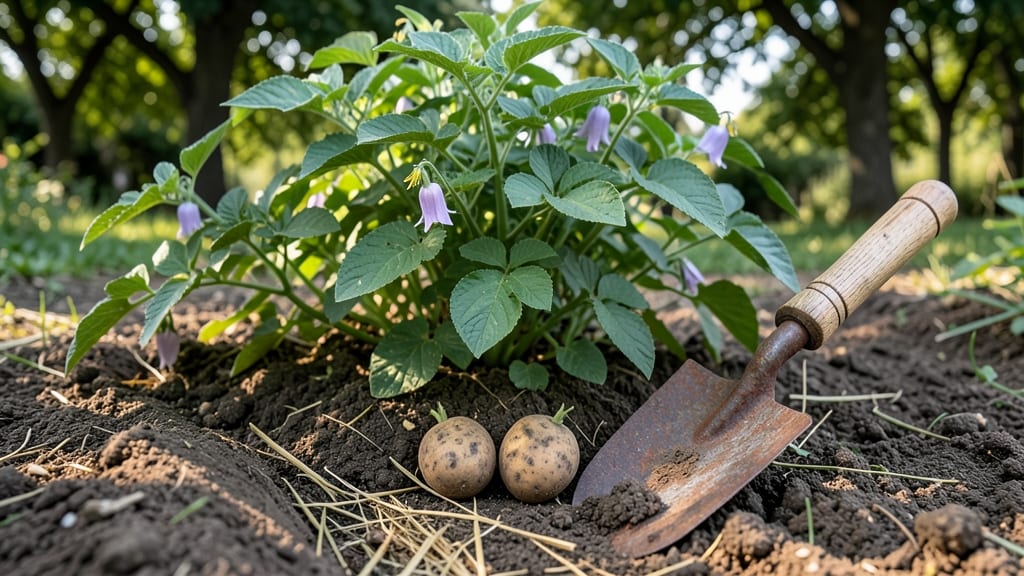
Most gardeners in PA's Zone 6a assume March is the magic month, but the real trigger is when soil warms to 45°F—a detail that can vary by 2-3 weeks depending on whether you're in Pittsburgh's urban heat pockets or rural farmland.
I've learned the hard way that planting too early leads to rot, while waiting too long risks late blight. The sweet spot? 4-6 weeks before your last frost date, with a few clever tricks to speed up germination if spring drags its feet.
In this guide, I'll break down exactly when to plant—plus how to adjust for Pennsylvania's unpredictable weather—so you can go from seed potato to harvest-ready 🥔 faster than ever.
Ideal soil temperature for planting potatoes in Pennsylvania
Potatoes in Pennsylvania thrive when planted in soil temperatures between 45°F and 55°F. This range triggers fast, even germination—critical for beating PA’s unpredictable springs. Cold soil below 40°F delays sprouting, while temperatures above 60°F can stress young tubers. Understanding these thresholds helps you time planting perfectly for your region.
Pennsylvania’s climate varies dramatically from Philadelphia’s coastal moderation to Pittsburgh’s inland chill and rural areas with sharper temperature swings. For example, Philadelphia’s last frost often arrives by April 15, while rural zones like Erie County may see frost until May 1.
Always check your local USDA Zone 5-8 guidelines to adjust timing.
To test soil temperature accurately, use a soil thermometer buried 4 inches deep (where potatoes will root). Aim for 45°F consistently for 3-5 days before planting. Morning readings are most reliable, as afternoon sun can skew results. Pro tip: Black plastic mulch warms soil faster—ideal for cooler microclimates.
If your soil stays below 45°F past April 15, consider chitting potatoes indoors (sprouting in light) or using row covers to protect young plants. These tricks help you outpace PA’s late frosts while ensuring tubers develop strong roots before summer heat arrives.
Here’s how soil temperature impacts germination across PA’s regions:
| Region | Ideal Planting Window | Soil Temp Threshold | Key Risk |
|---|---|---|---|
| Philadelphia | Mid-March to early April | 45°F+ (coastal warmth) | Late frost after April 15 |
| Pittsburgh | Late April to early May | 50°F+ (inland chill) | Cold snaps in May |
| Erie/Rural Areas | Early May (or chit indoors) | 55°F+ (delayed warmth) | Short growing season |
For urban gardeners in Philadelphia, aim to plant by March 20 to avoid crowded markets and ensure tubers mature before October’s first frost. In Pittsburgh’s Zone 6a, wait until April 25—after the average last frost—to reduce frost damage.
Rural gardeners should prioritize early-maturing varieties like Red Pontiac (90 days) over Russet Burbank (120 days).
One common mistake is planting too early when soil is still cold. If you see slow or uneven sprouting, your soil may be below 45°F. To fix this, cover plants with straw mulch (3–4 inches thick) to insulate roots and speed up warming.
This works especially well in Zone 5 areas like Scranton, where springs are notoriously cool.
Always pair soil temperature checks with frost date forecasts from the National Weather Service. For example, if your area has a 50% chance of frost on May 10, delay planting until after that date—even if soil is warm.
Balancing these factors ensures your potatoes sprout quickly and grow vigorously before summer heat arrives.
Pro tip: Pre-warm your soil 2–3 weeks before planting by laying down clear plastic sheeting (removes snow, absorbs sunlight). This can raise soil temps by 5–10°F, giving you an earlier start. Just remove it before planting to avoid overheating young tubers.
Finally, remember that potatoes hate soggy soil. If your garden holds excess moisture (common in low-lying areas), amend with compost or coarse sand to improve drainage. Well-drained soil at the right temperature is your secret weapon for a bumper crop in PA’s variable climate.
Best planting timeline for PA's climate Zones (5-8)
Pennsylvania's USDA Zones 5-8 create a patchwork of planting windows, where Philadelphia's Zone 7b might be ready 2 weeks earlier than Erie's Zone 5b. The key is aligning your schedule with your local last frost date—typically April 15 for most of PA, but earlier in southern regions.
For Zone 5 (northern PA), aim to plant seed potatoes 4-6 weeks before last frost—usually mid-to-late March. In Zone 7 (southeastern PA), you can start as early as late February under row covers.
Rural areas often warm faster than cities due to urban heat islands, so adjust accordingly.
Here’s my numbered timeline for PA gardeners, broken down by zone and including critical adjustments for cool springs:
- Zone 5 (Erie, Scranton): Plant March 15-30 when soil hits 45°F. Use black plastic mulch to warm soil faster.
- Zone 6a (Pittsburgh, State College): Plant March 1-15 or late February under covers. Chit potatoes indoors to jumpstart growth.
- Zone 7 (Philadelphia, Reading): Plant February 20-March 10. Soil warms earlier here—test with a soil thermometer.
- All Zones: April 1 is the absolute latest for planting without row covers. After this, germination slows dramatically.
- Emergency Backup: If frost threatens after planting, use frost blankets for 2-3 nights until sprouts emerge.
Pro tip: Early varieties like 'Red Pontiac' (70 days to harvest) are your best bet for Zone 5, while 'Yukon Gold' (90 days) thrives in Zone 7. I’ve had success planting two batches—one in March for early harvests and another in late April for fall storage.
Watch for late blight warnings in June—this fungal disease loves PA’s humid summers. If you plant late, opt for resistant varieties like 'Kennebec' to avoid crop loss.
Remember, soil temperature trumps calendar dates. If your soil is still below 45°F in April, wait—even if your neighbor’s potatoes are sprouting. Patience here means faster, healthier tubers down the road. 🥔