
Plants
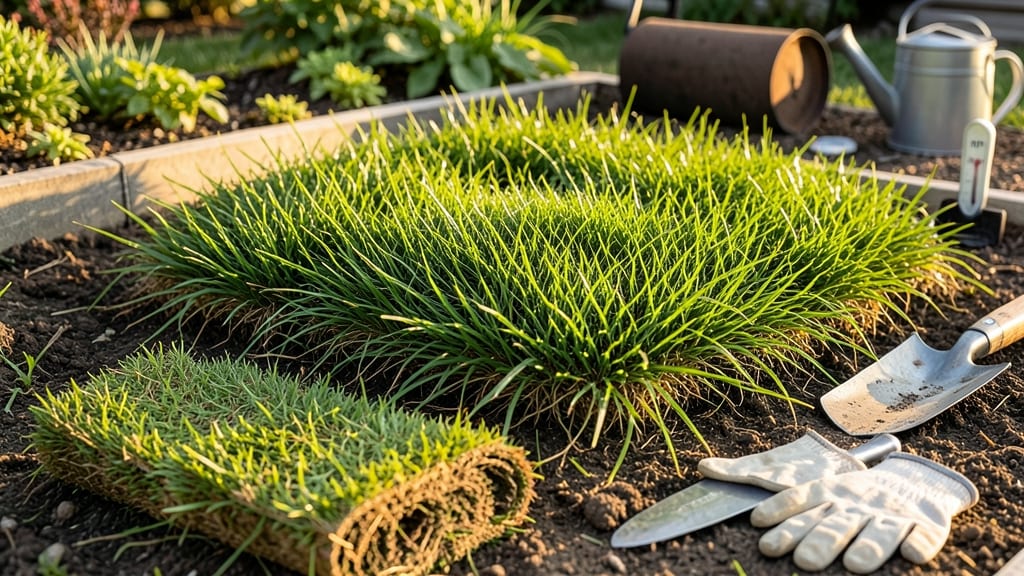
If you’re dreaming of a deep green, heat-proof lawn in Texas, planting Bermuda grass at the wrong time can leave you with weak roots and patchy coverage—no matter how much you water it.
The best time to plant Bermuda grass in Texas isn’t just about checking a calendar; it’s about syncing with your region’s soil warmth and avoiding summer’s brutal heat before roots can take hold.
Texas’s 8a-10b climate gives you two prime windows: late spring (March–June) when soil temperatures hit 65°F+, and late summer (August) when the worst heat has passed. Skipping this timing means shallow roots that struggle during the first real heatwave—leaving your lawn vulnerable to drought and weeds.
I’ve seen firsthand how a well-timed planting transforms a struggling yard into a thick, drought-resistant carpet by summer’s end.
Whether you’re in North Texas or the Gulf Coast, the key is preparing your soil, choosing the right variety, and watering smartly to lock in those roots before the real heat arrives.
Ready to skip the guesswork? Let’s break down the exact months, soil prep secrets, and watering tricks that’ll give your Bermuda grass the deep, resilient foundation it needs to thrive all season long.
Texas Bermuda grass planting timeline: exact months for optimal root growth
Texas’s extreme heat and varied climate zones make timing critical for Bermuda grass success. Planting too early risks frost damage, while late planting leaves roots struggling to establish before summer’s brutal 100°F+ temperatures.
The sweet spot? Late spring to early summer—when soil temps hit 65°F+ consistently—ensures deep root growth before dormancy kicks in.
North Texas (USDA Zones 8a-8b) has a narrower window due to earlier frosts. South Texas (Zones 9a-10b) enjoys a longer growing season, but even here, planting after April 15 risks heat stress.
The key is matching your region’s last frost date with Bermuda’s need for warm soil.
Here’s the breakdown: May-June is ideal for most of Texas, but April works in South Texas if nights stay above 55°F. Avoid planting after July 15—new roots won’t establish before summer dormancy begins, leaving your lawn vulnerable to thatch buildup and weeds.
🌱 Texas Bermuda Grass Planting Timeline
| Region | Best Planting Window | Soil Temp Threshold | Critical Deadline |
|---|---|---|---|
| North Texas (DFW, Amarillo) | Late April - Early June | 65°F+ (consistent) | June 15 (avoid July) |
| Central Texas (Austin, San Antonio) | Early May - Mid-June | 68°F+ (consistent) | June 30 (avoid July) |
| South Texas (Houston, Corpus Christi) | Mid-April - Late June | 70°F+ (consistent) | July 15 (avoid August) |
⚠️ Pro Tip: Use a soil thermometer to confirm temps—Bermuda grass roots won’t establish in cooler soil, even if air temps are warm.
Bermuda grass thrives in full sun (6-8+ hours daily), but Texas’s intense UV rays can stress seedlings. Planting in late afternoon (after 3 PM) reduces shock from direct sun exposure.
If you’re seeding, lightly mulch with straw to retain moisture while protecting tender sprouts from scorching winds common in West Texas.
Watering is non-negotiable during establishment. Newly planted Bermuda needs 1-1.5 inches of water weekly, applied deeply 2-3 times per week. Shallow watering encourages shallow roots, which struggle when Texas’s summer drought hits. Use a rain gauge or tuna can to measure—most home sprinklers overwater by 30-50%.
Fertilizing too early can burn seedlings. Wait until 4-6 weeks after planting to apply a high-nitrogen fertilizer (16-4-8 or 30-0-4). In North Texas, a light feeding in late May boosts early growth, while South Texas can start in April.
Avoid fertilizing after July 1—it promotes weak growth before dormancy.
Texas’s clay-heavy soils need prep to prevent compaction. Before planting, aerate 2-3 weeks ahead to loosen soil and improve drainage. Mix in compost or peat moss to a depth of 2-3 inches.
Bermuda grass hates soggy roots, so amend clay soils with sand or perlite if drainage is poor. Test soil pH—aim for 6.0-7.0—and adjust with lime (to raise pH) or sulfur (to lower pH).
One common mistake? Planting too late in summer. By August, Bermuda grass enters dormancy, and new seedlings won’t survive the transition. If you miss the spring window, late summer (August-September) is a secondary option—but only in South Texas, where fall rains extend the growing season.
In North Texas, fall planting is risky due to early frosts.
Monitor your lawn’s progress with the fingernail test: Push a screwdriver into the soil. If it meets resistance at 4-6 inches deep, roots are establishing. If not, extend watering and consider a slow-release fertilizer to encourage deeper growth before summer’s heat peaks.
Texas Bermuda grass planting timeline: exact months for optimal root growth
Bermuda grass thrives in Texas’s intense heat, but planting it too early or late can leave your lawn struggling to establish roots before summer’s first 100°F+ days.
The best time to plant Bermuda grass in Texas hinges on two critical windows: late spring (March–June) and late summer (August), when soil temperatures consistently stay above 65°F.
In North Texas (USDA Zones 8a–8b), aim for mid-April to early June—after the last frost (typically around February 15) but before summer’s peak heat.
For South Texas (Zones 9a–10b), you’ve got a slightly longer window: March through early July, thanks to milder winters and earlier soil warming.
Here’s the key: Bermuda grass seeds need warm soil to germinate, but they also require consistent moisture to avoid drying out before roots take hold. Planting in June or July gives your grass a head start, but you’ll need to water deeply to protect seedlings from the scorching sun.
| Region | Ideal Planting Window | Soil Temp Requirement | Critical Deadline |
|---|---|---|---|
| North Texas (8a–8b) | Mid-April to early June | 65°F+ (consistently) | June 15 (avoid peak summer heat) |
| Central Texas (8b–9a) | March to late June | 65°F+ (sooner in South) | July 1 (heat stress risk) |
| South Texas (9a–10b) | March through early July | 65°F+ (earlier warmth) | July 15 (humidity + heat combo) |
| Late Summer Option (All Regions) | August (after peak heat) | 65°F+ (soil stays warm) | September 1 (cooling temps) |
🌡️ Pro Tip: Use a soil thermometer to confirm temps—Bermuda grass seeds won’t germinate below 65°F.
If you miss the spring window, don’t panic—August planting is your backup. By this time, the worst heat has passed, and soil remains warm enough for germination. Just be prepared for more frequent watering to combat late-summer humidity and fungal risks.
One common mistake I see is planting Bermuda grass in fall. While it might seem logical, Texas’s cool winters can shock young roots, leading to dormancy or even death.
Stick to the spring/late-summer windows, and you’ll give your grass the best shot at deep, drought-resistant roots before the real heat hits.
For best results, pair your planting timeline with proper soil prep—think compost, pH adjustment, and a light fertilizer to jumpstart growth. We’ll dive into those steps in the next section, but remember: timing is everything when it comes to Bermuda grass in Texas’s brutal climate.