
Planting
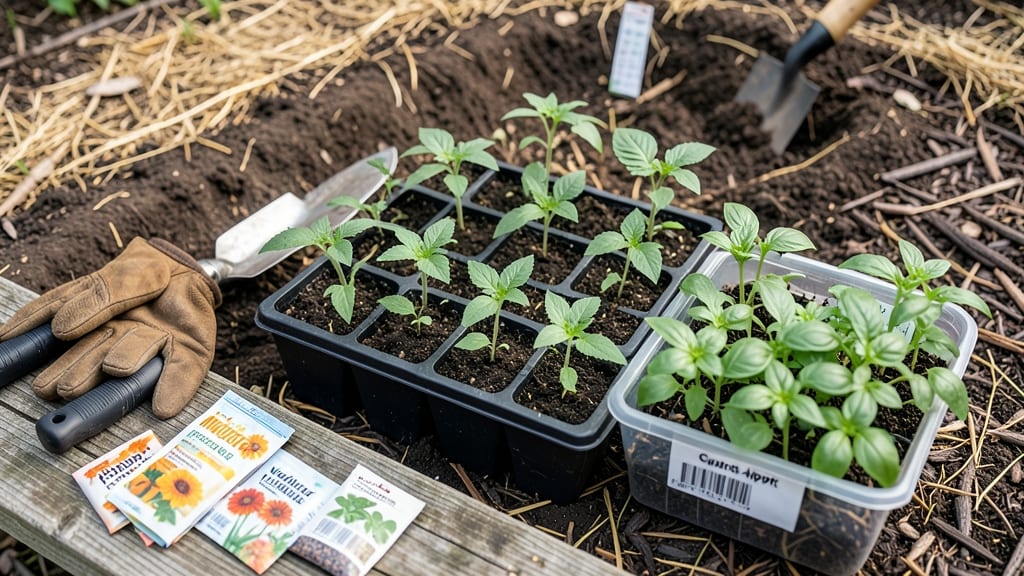
Timing when to plant a garden in Cleveland, Ohio wrong could mean the difference between a bountiful harvest and wasted effort—especially when late frosts linger past April 15 or Lake Effect winds shift unexpectedly.
The key to success here isn’t just following a generic calendar but understanding your Zone 6a microclimate, where soil warms slower near the lake but faster in sheltered spots.
Most gardeners in Cleveland wait until mid-April to mid-May to plant warm-season crops like tomatoes and peppers, but cool-season greens like spinach can go in as early as March if you’re brave enough to risk a frost blanket.
The trick? Monitor soil temperatures—60°F is your green light—and keep row covers handy for those sneaky 50°F nights that can still sneak in.
I’ve learned the hard way that Cleveland’s unpredictable weather demands flexibility. Whether you’re a first-time gardener or a seasoned pro, this guide will help you navigate planting windows, adjust for local quirks, and choose the right varieties for your space—whether it’s a backyard plot or a balcony container garden.
Let’s break down exactly when to plant what, how to prep your soil, and which crops thrive in Cleveland’s short but sweet growing season. Your June–October harvest starts with the right moves now.
Cleveland’s frost dates & ideal planting windows for Zone 5b & 6a
Cleveland’s Zone 5b-6a climate means you’ll need to time your planting carefully to avoid late spring frosts (common until April 15) and early fall frosts (starting around October 15). The average frost-free growing season spans just 165 days, so planning is key to maximize yields.
For cool-season crops like lettuce and peas, you can start as early as early March under row covers or in a greenhouse. However, warm-season crops such as tomatoes and peppers must wait until after the last frost, typically mid-May, when soil temperatures reach 60°F or higher.
Here’s a quick reference for Cleveland’s planting windows based on historical data and local microclimates, including the Lake Effect that can delay spring warming near Lake Erie:
| Planting Window | Cool-Season Crops | Warm-Season Crops | Notes |
|---|---|---|---|
| Early Spring (March) | Peas, Spinach, Lettuce | None (too cold) | Use row covers for frost protection. |
| Late Spring (April) | Kale, Broccoli, Carrots | Start indoors: Tomatoes, Peppers | Monitor forecasts for late frosts. |
| Early Summer (May) | Radishes, Beets, Potatoes | Transplant: Tomatoes, Peppers, Eggplants | Wait until soil is 60°F+. |
| Summer (June–July) | Succession plant: Lettuce, Spinach | Direct sow: Beans, Corn, Cucumbers | Mulch to retain moisture. |
| Fall (August–September) | Kale, Spinach, Radishes | None (too late for warm crops) | Plant 6–8 weeks before first frost. |
If you’re growing perennials or shrubs, plant them in early spring (April) or early fall (September) to give roots time to establish before winter. Bulbs like tulips should go in the ground by October to naturalize for next year’s blooms.
For container gardening, you can extend the season by moving pots indoors or to a sheltered spot when temperatures dip. This is especially useful for herbs like basil, which can’t tolerate frost and thrive in pots.
Pro tip: Use a soil thermometer to check temperatures before planting warm-season crops. If the soil is below 60°F, wait a few more days—slow germination or stunted growth are common issues in cooler soil.
Microclimates matter! Areas near Lake Erie may experience delayed spring warming due to the lake effect, so adjust your planting dates accordingly. For example, West Cleveland might be 1–2 weeks later than East Side neighborhoods.
Always keep an eye on the National Weather Service’s Cleveland forecast and local gardening groups for real-time updates. With the right timing, you’ll enjoy a bountiful harvest from June through October!
Best vegetables to plant by month in Cleveland’s climate
Cleveland’s short but productive growing season means choosing the right vegetables for each month is critical.
My garden thrives when I align planting with Cleveland’s Zone 6a climate, where warm-season crops like tomatoes and peppers need to wait until after the last frost, while cool-season greens can handle early spring.
Start with March sowings for hardy crops like spinach and peas, then transition to heat-loving plants by mid-May.
For March and early April, focus on cool-season vegetables that tolerate frost. These include leafy greens like kale, lettuce, and spinach, as well as onions, peas, and radishes. These crops can handle Cleveland’s chilly nights and even benefit from a light frost blanket.
I always start these indoors or under row covers to give them a head start before transplanting outdoors.
By mid-April to mid-May, shift to warm-season vegetables once the soil reaches 60°F and frost risk passes. This is prime time for tomatoes, peppers, eggplants, and cucumbers. I also direct-sow beans, corn, and squash during this window.
For container gardeners, this is the perfect time to plant herbs like basil and cilantro, which thrive in Cleveland’s summer heat.
🌱 March–April: Cool-Season Crops
- Spinach & Kale: Direct-sow after last frost risk (March–early April)
- Peas & Radishes: Tolerate light frost; sow in March for early harvests
- Onions & Garlic: Plant in March for summer harvests
- Lettuce: Start indoors in March; transplant after last frost
☀️ May–June: Warm-Season Staples
- Tomatoes & Peppers: Transplant after May 15 (soil at 60°F+)
- Cucumbers & Squash: Direct-sow in late May for summer harvests
- Corn & Beans: Plant in June for fall harvests; succession plant every 2 weeks
- Herbs (Basil, Cilantro): Sow after last frost for continuous harvests
🌾 July–August: Succession & Fall Prep
- Green Beans & Carrots: Succession plant in July for fall harvests
- Broccoli & Cabbage: Start indoors in July for fall/winter harvests
- Kale & Swiss Chard: Direct-sow in August for overwintering
- Garlic: Plant in October for next summer’s harvest
Don’t forget about succession planting—this is key in Cleveland’s short season. For example, I plant lettuce every 2 weeks from April to July to ensure a continuous harvest. Similarly, bush beans and radishes can be sown every 3 weeks for a steady supply.
Container gardeners can also take advantage of vertical space by growing cherry tomatoes and peppers in hanging baskets, extending the growing season by a few weeks.
For August and September, focus on fall crops like broccoli, cabbage, and Brussels sprouts. These thrive in Cleveland’s cooler autumn temperatures and can often be left in the ground until first frost in mid-October.
I also plant garlic in October for a low-maintenance crop that rewards me with flavorful bulbs the following summer.
Even in October, you can still plant hardy greens like spinach and kale for a winter harvest. Use row covers or cold frames to protect them from frost.
With the right timing and a little flexibility, Cleveland’s garden season can stretch from March to November, giving you fresh produce nearly year-round.