
Plants
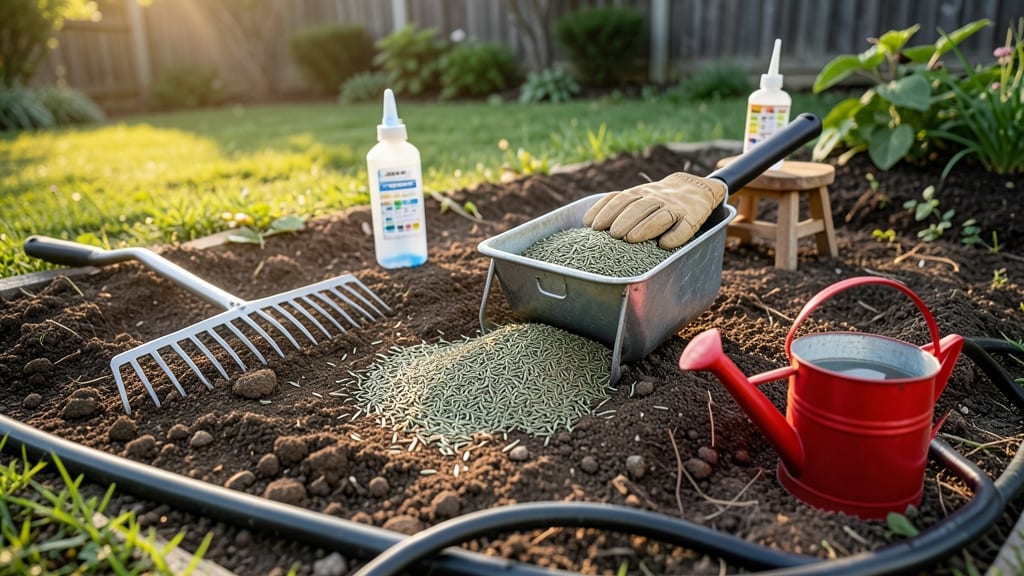
Timing your grass seed planting in Missouri isn’t just about picking a month—it’s about outsmarting the Show-Me State’s unpredictable spring rains and sweltering summer heat to give your lawn the best shot at thriving.
Whether you’re in St. Louis, Kansas City, or a rural patch of USDA Zone 5b-7a, planting too early risks frost damage, while waiting too long can leave your yard vulnerable to weeds and drought.
Most Missouri gardeners swear by early fall (August-September) as the sweet spot, when soil stays warm enough for roots to establish before winter sets in.
But spring (March-April) also works—if you play it smart by testing soil temperatures (aim for at least 50°F) and choosing the right grass type for your microclimate.
I’ve seen firsthand how a well-timed planting can transform a patchy lawn into a lush green carpet—without the guesswork. In this guide, I’ll break down the exact windows for your area, plus the critical signs (like soil moisture and last-frost dates) that tell you it’s really time to dig in.
Ready to skip the trial-and-error? Let’s get your Missouri lawn off to the perfect start—no matter what Mother Nature throws your way.
Missouri grass planting zones: best months by region (St. louis vs. Kansas City vs. rural areas)
Missouri’s USDA Zones 5b-6a create distinct planting windows depending on whether you’re in the urban heat islands of St. Louis or Kansas City or the cooler rural farmlands. The key difference? City areas often experience microclimates that delay frost by 1-2 weeks compared to rural zones.
For St. Louis (Zone 6a), aim for late March to early April in spring and mid-August to early September in fall. The city’s concrete absorbs heat, keeping soil warmer—perfect for cool-season grasses like Kentucky bluegrass.
Rural areas in Zone 5b (northwest Missouri) should wait until mid-April or plant in late August to avoid early frosts.
Kansas City’s Zone 6a mirrors St. Louis but with slightly cooler nights. Here, early September is ideal for fall planting, giving seeds 6-8 weeks to establish before the first frost (typically October 15).
Rural southwest Missouri (Zone 7a) can push fall planting to mid-October, but soil must stay above 50°F for germination.
Here’s how these zones break down for your planting schedule:
Pro tip: Use the Almanac’s frost predictor for your exact location—St. Louis averages its last frost on April 10, while rural areas can see frost as late as May 1. For fall, count back 6-8 weeks from your first frost date to lock in the perfect window.
Urban areas also benefit from warm-season grasses like Bermuda or Zoysia, which thrive when planted in late May after soil hits 65°F. These grasses need heat to germinate, so don’t rush—wait until the dog days of summer have passed to avoid drought stress.
If you’re in Zone 5b, consider cool-season blends with tall fescue or fine fescue, which tolerate Missouri’s hot summers and cold winters better than Kentucky bluegrass. These mixes establish faster in cooler spring soils (45°F+).
For all regions, late August is the safest bet for fall planting—it balances warm soil and cooling nights, giving seeds time to root before winter dormancy. Just avoid planting after September 15, or you risk seeds sprouting too late for fall growth.
🌱
Critical factors that determine your exact planting window (beyond just months)
Missouri’s grass seed germination depends on more than just picking a month—soil temperature, rainfall patterns, and even your grass seed type play starring roles. For example, cool-season grasses like Kentucky bluegrass thrive when soil hits 50°F (10°C), while warm-season grasses like Bermuda grass need 70°F (21°C) or warmer.
Ignoring these details can mean wasted seed or stunted growth.
I’ve learned the hard way that local microclimates matter just as much as the calendar. A shady corner in St. Louis might stay cooler longer than a sunny patch in rural USDA Zone 6a, delaying your planting window by weeks.
Always check your yard’s specific conditions before committing to a date.
🌱
- 🌡️ Soil Temperature: Use a soil thermometer—cool-season grass needs 50-65°F, warm-season 65-75°F.
- 🌧️ Rainfall Forecast: Aim for 1 inch of rain weekly after planting; supplement with watering if needed.
- 🌱 Grass Seed Type: Cool-season (spring/fall) vs. warm-season (summer) seeds have opposite ideal windows.
- 📅 Last/Frost Dates: Plant 4-6 weeks before first frost or after last frost—check Almanac.com for your ZIP code.
- 👆 Finger Test: Push your finger 1 inch into soil—if it feels cool but not frozen, it’s ready for cool-season seeds.
Don’t overlook local weather forecasts either. A sudden heatwave in April can dry out newly planted cool-season grass, while unexpected rains in September might delay warm-season grass establishment. I always cross-reference the National Weather Service with my planting plans to avoid surprises.
Another pro tip: Test your soil’s pH (ideal range: 6.0-7.0 for most grasses) before planting. Acidic or alkaline soil can slow germination, and adjusting it takes time. Use a soil test kit from your local University of Missouri Extension office for accurate results.
Finally, choose the right seed mix for your climate. In Missouri, tall fescue blends dominate because they handle heat and drought better than Kentucky bluegrass alone. If you’re unsure, ask a nursery specialist for a localized recommendation—they’ve seen what works in your area.
By paying attention to these beyond-the-calendar factors, you’ll avoid the frustration of watching your grass seed sprout unevenly or fail entirely. Trust me, a little extra prep now saves hours of headaches later.
☀️