
Plants
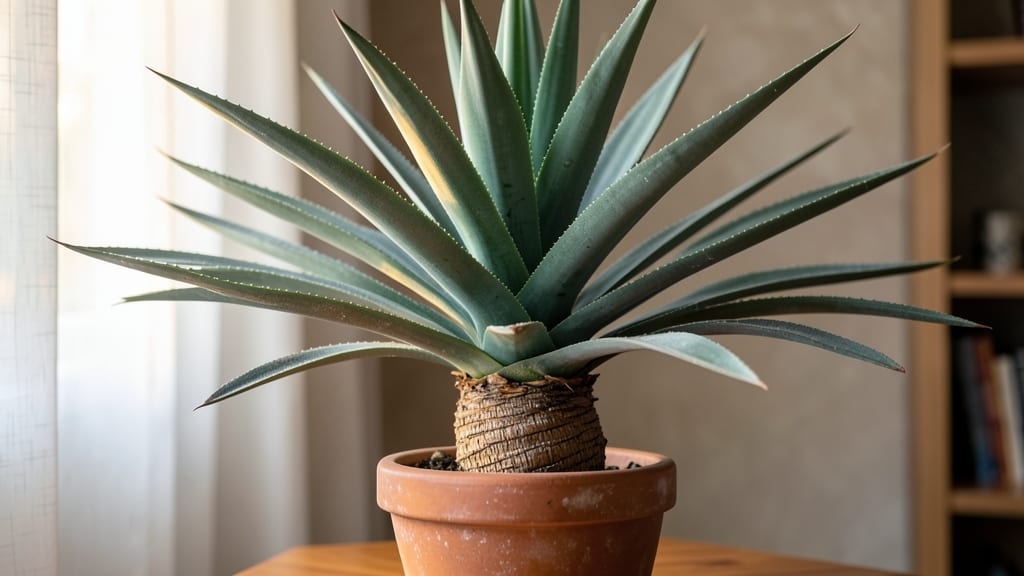
If you’ve ever wondered why your yucca plant 🌵 looks more like a sad stalk than a striking architectural star, chances are its light needs aren’t being met.
The truth? Yuccas thrive in bright, indirect sunlight—but too much direct sun can scorch those gorgeous leaves, while too little leaves them stretching desperately toward any light source.
I’ve spent years growing yuccas, and the key to their success isn’t complicated: it’s about finding that sweet spot between too much and too little.
Whether you’re placing one indoors near a sunny window or outdoors in your garden, understanding their light requirements will transform your plant from leggy and weak to bold and healthy.
Let’s break down exactly how much light a yucca needs—from the ideal 6+ hours of bright indirect light to how to spot when it’s getting too much (or too little) sun.
You’ll learn how to adjust care based on your home’s lighting and even fix common mistakes that turn yuccas into light-starved shadows.
Ready to give your yucca the perfect light conditions? By the end, you’ll know exactly where to place it—indoors or out—to keep it thriving year-round. Let’s get started.

Optimal sunlight requirements for yucca plants: bright indirect light explained
Yucca plants love bright light but can get stressed with harsh, direct sun—especially in hot climates. The key is finding that sweet spot of bright indirect sunlight, which mimics their natural desert habitat while preventing leaf scorch. Think of it as giving your yucca a sunbath without sunburn.
Outdoors, yuccas thrive with 6-8 hours of sunlight daily, but they prefer morning sun and afternoon shade, especially in USDA zones 7-10. In cooler zones, they can handle full sun year-round, but their leaves may yellow if exposed to too much winter sun without acclimation.
Indoors, place your yucca near a south- or west-facing window where it gets 4-6 hours of bright, filtered light. East-facing windows work too, but your plant may stretch toward the light, becoming leggy and weak over time.
Yucca Sunlight Summary
| Condition | Outdoor Needs | Indoor Needs |
|---|---|---|
| Minimum Light | 6 hours bright indirect | 4 hours near window |
| Ideal Exposure | Morning sun + afternoon shade | South/west-facing window |
| Danger Zone | Harsh afternoon sun (scorch risk) | North-facing window (leggy growth) |
| Seasonal Adjustments | More shade in summer; protect from frost | Rotate plant for even growth |
🌵 Pro Tip: Yuccas in containers need more frequent light checks than in-ground plants.
In summer, yuccas can handle full sun if they’re well-established, but watch for brown leaf tips, which signal too much intensity. A simple fix is to provide afternoon shade using a sheer curtain or placing them under a dappled shade tree.
Mulching around the base also helps regulate soil temperature.
Winter care depends on your climate. In mild winters (zones 8-10), yuccas can stay outdoors with minimal protection. But in colder zones, move potted yuccas indoors near a sunny window or cover them with burlap to prevent frost damage. Even a few hours of winter sun keeps them healthy.
If you’re unsure whether your yucca is getting enough light, check the new growth. Healthy leaves should be deep green and stiff, while pale or yellowing leaves mean it’s time to move your plant to a brighter spot.
The goal is to mimic their natural environment—bright but not scorching.
For container growers, rotate your yucca every 2-3 weeks so all sides get even light exposure. This prevents lopsided growth and ensures your plant stays compact and bushy. A well-lit yucca will reward you with architectural beauty and minimal pests—just the right balance of care!
Remember, yuccas are drought-tolerant but not heat-tolerant without proper light. Too little light weakens them, making them more susceptible to pests like scale insects. Keep them in the sweet spot, and you’ll have a stunning, low-maintenance plant for years.
Signs your yucca isn’t getting enough (or too much) light
Your yucca’s leaves tell a story—pay attention to their color and texture to diagnose light issues. If the leaves turn yellow or pale green, it’s a clear sign your plant is stretching for light.
This happens when yuccas don’t get enough bright indirect sunlight, causing them to grow leggy and weak as they reach toward any available light source.
Another red flag is brown, crispy leaf tips, which appear when your yucca gets too much direct sun. These tips burn from intense afternoon rays, especially in hot climates. Check the underside of leaves too—if they’re scorch-marked, move your plant to a shadier spot immediately.
⚠️ Warning: Common Light Mistakes
Placing your yucca in a north-facing window or deep shade causes etiolation—stretched, weak stems with sparse foliage. Too much harsh afternoon sun leads to leaf scorch and sunburn, while low light invites pests like scale insects that thrive on weakened plants.
🌵 Fix: Rotate your plant weekly for even growth and use sheer curtains to filter intense sun.
New growth is your best indicator of light health. If your yucca’s young leaves are small and sparse, it’s not getting enough light. Conversely, large, floppy leaves with soft centers mean it’s receiving too much direct sun. The ideal new growth should be stiff, upright, and deep green.
Seasonal changes also affect light needs. In winter, yuccas may appear dormant or wilted if they’re not getting enough light. Move potted yuccas near a sunny window or supplement with a grow light for 6-8 hours daily.
In summer, watch for drooping leaves—a sign of heat stress from too much sun.
For container growers, check the soil moisture alongside light issues. Overwatering stressed yuccas (from poor light) leads to root rot, which mimics light-related problems. Always let the soil dry completely between waterings to avoid compounding stress.
Pro tip: Take a before-and-after photo of your yucca’s growth pattern after adjusting its light exposure. You’ll quickly see how much brighter leaves and sturdier stems make a difference! With the right light balance, your yucca will bounce back with bold, architectural beauty in no time.