
Trees
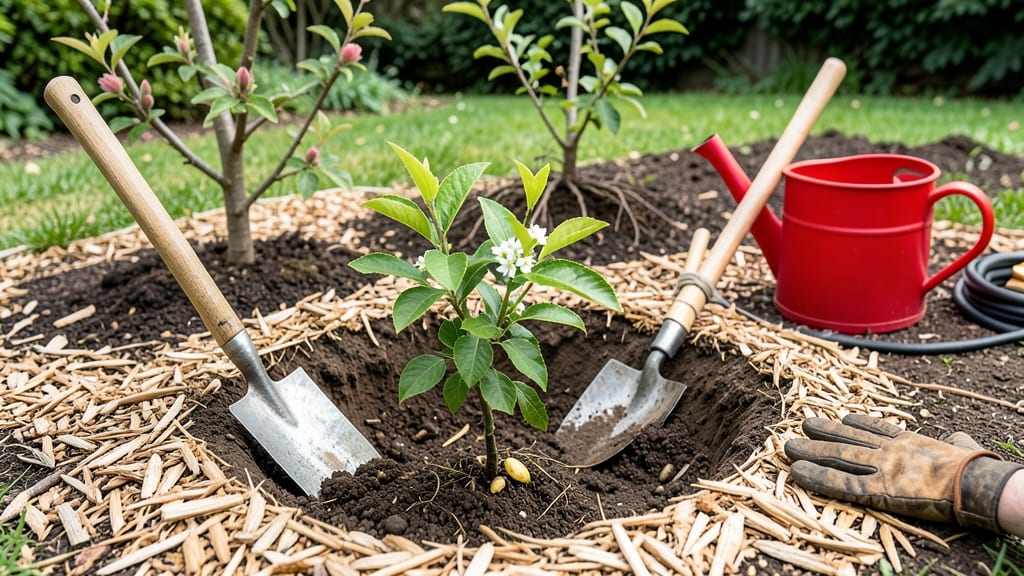
If you’ve ever wondered when is the best time to plant fruit trees in California, the answer might be as simple as when you planted it—timing matters more than you think. Plant too early, and frost could damage delicate roots; too late, and summer heat stresses young trees.
The key is aligning your planting schedule with California’s diverse microclimates, from coastal breezes to inland heat.
I’ve spent years helping gardeners in USDA Zones 7-11 get their fruit trees off to the right start, and the difference is night and day.
Whether you’re planting bare-root citrus in coastal San Diego or container-grown peaches in the Central Valley, knowing the best window ensures stronger roots, faster growth, and a bountiful harvest. Let’s break down the perfect planting times for your region.
From evergreen citrus that hates cold snaps to stone fruits that need winter dormancy, each variety has its own ideal timing. You’ll discover how to avoid common mistakes—like planting in summer’s scorching heat—that can set your tree back for years.
Ready to set your fruit tree up for success? Here’s exactly when to dig in.
We’ll cover everything from soil prep to post-planting care, tailored to California’s unique growing conditions. Whether you’re a first-time gardener or a seasoned pro, these insights will help you plant with confidence and watch your trees flourish. Let’s get started!
California climate zones & their ideal fruit tree planting windows
California’s climate varies dramatically from the cool coastal fog of San Francisco to the scorching desert heat of Palm Springs. These differences mean your fruit tree planting window depends entirely on where you live.
For example, coastal areas (USDA 9-10) like Santa Barbara can plant citrus in late winter through spring, while inland valleys (USDA 7-8) like Fresno must wait until early spring to avoid frost damage.
Understanding your microclimate zone is key. The Central Valley has hot summers and cold winters, while Southern California offers milder winters perfect for evergreen fruit trees like avocados. Even high-elevation areas (USDA 10+) near Lake Tahoe require different timing than desert regions (USDA 9-10) like Joshua Tree.
Here’s how to match your planting schedule to California’s most common climate zones:
| Zone | Climate Type | Best Planting Window | Key Considerations |
|---|---|---|---|
| Coastal (USDA 9-10) | Mild winters, cool summers | Late winter (Feb-Mar) to early spring (Apr) | Avoid summer heat stress; citrus thrives year-round |
| Central Valley (USDA 7-8) | Hot summers, cold winters | Early spring (Feb-Mar) before last frost | Stone fruits (peaches, plums) need dormancy |
| Desert (USDA 9-10) | Extreme heat, minimal frost | Fall (Oct-Nov) or early spring (Feb) | Drip irrigation essential; avoid summer planting |
| High Elevation (USDA 10+) | Cool summers, cold winters | Late spring (May-Jun) after frost risk | Slow growth; use dwarf varieties |
| Southern California (USDA 10-11) | Mild year-round | Winter (Dec-Feb) for bare-root; spring for container | Citrus and avocados can plant anytime with water |
For bare-root trees, the dormant season (late winter to early spring) is ideal because roots establish before active growth. Container-grown trees, however, can plant year-round in Southern California, but avoid summer heat in inland areas.
In coastal zones, watch for Pacific Ocean fog—it can delay soil warming. Use a soil thermometer to confirm 60°F+ soil temps before planting. In desert regions, plant in fall to give roots time to establish before summer’s intensity.
If you’re in Zone 7-8 (like Sacramento), stone fruits need chilling hours—plant in February to align with natural dormancy cycles. Evergreens like avocados in Zone 10+ can handle year-round planting, but spring is best for faster root growth.
Pro tip: Check your local frost dates via the USDA Plant Hardiness Zone Map. For example, Sacramento’s last frost is typically March 15, while Los Angeles rarely sees frost. Timing your planting just 2-4 weeks after your area’s last frost date maximizes success.
Remember, container-grown trees adapt better to off-season planting because their roots aren’t stressed by dormancy. But for bare-root trees, spring is non-negotiable in most of California.
🌱
Best fruit tree varieties for each California planting season
California’s diverse microclimates mean your fruit tree choices and planting times should match your zone. Evergreen citrus like lemon and orange trees thrive year-round in coastal areas, while stone fruits like peaches and plums need winter dormancy and prefer inland regions.
Let’s break down the best varieties for each planting season and how to prep your soil for success.
For spring planting (November–March), focus on stone fruits and pome fruits like apples and pears. These trees benefit from cooler temperatures and establish roots before summer heat sets in.
In USDA Zones 8-11, spring is also ideal for tropical varieties like avocado and figs, which can handle mild winters.
🌱 🌱 Spring Planting (Nov–Mar):
- Peaches, plums, apples, pears
- Avocado (coastal zones only)
- Figs (drought-tolerant varieties)
- Pomegranates (well-draining soil required)
🌿 🌿 Summer Planting (June–August) is risky but works for container-grown trees or bare-root citrus in coastal areas. Avoid planting in inland zones during summer—heat stress can kill young trees. If you must plant in summer, choose shade-tolerant varieties like persimmons or loquats and water deeply every 2–3 days.
🍊 🍊 Fall Planting (September–October) is perfect for citrus trees (like lemon and lime) and olives. These evergreens establish roots before winter rains arrive, giving them a head start. In Zone 7 (higher elevations), fall planting allows trees to harden off before frost.
🌳 🌳 Soil Prep Tips for Every Season:
- Test soil pH (citrus needs 6.0–7.0; stone fruits prefer 6.0–6.5).
- Amend clay soil with compost or sand for better drainage.
- Mulch heavily to retain moisture and regulate soil temperature.
💧 💧 Post-Planting Care by Season:
- Spring: Water deeply 2x/week; fertilize with high-nitrogen in early spring.
- Summer: Provide drip irrigation to avoid leaf burn; prune lightly to reduce water loss.
- Fall: Reduce watering as temperatures drop; apply slow-release fertilizer in late fall.