
Trees
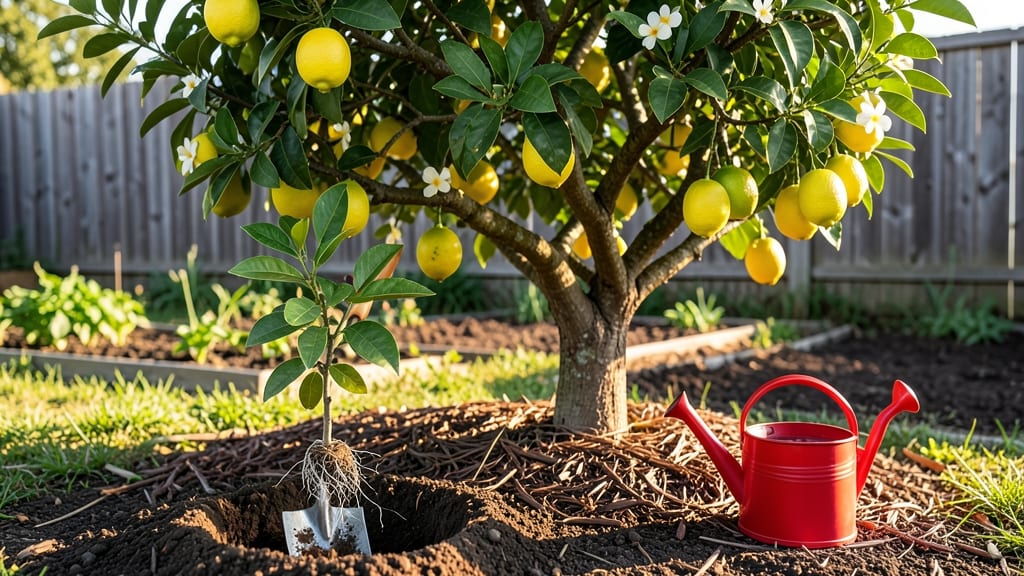
Planting citrus trees in Phoenix at the wrong time can mean the difference between a thriving 🍊 orchard and a sad, stunted shrub struggling through the desert heat. With temperatures soaring past 110°F in summer and rare but damaging cold snaps in winter, timing is everything.
Most gardeners in Zone 9b make the mistake of planting during the scorching summer months, when young roots can't establish properly. The key is to plant during Phoenix's cooler season—between November and February—when temperatures are mild and the soil stays moist longer.
Why does this matter? Because citrus trees need time to root before summer hits. Planting in winter gives them a head start, so they can handle the intense heat and drought conditions that Phoenix is famous for.
Plus, you'll avoid the risk of frost damage that can sneak in during unexpected cold fronts.
In this guide, I’ll walk you through the exact steps to plant your citrus tree at the perfect time, from soil prep to post-planting care, so you can enjoy fresh fruit year-round without the guesswork. Let’s get started!
Best planting months for citrus trees in Phoenix’s climate zones
Phoenix’s USDA Zone 10-11 climate offers a unique advantage for citrus growers: no frost risk. However, timing still matters to avoid transplant shock during summer heatwaves or winter chill exposure that can stress young trees.
The ideal window spans November through February, when temperatures are mild and rainfall is more consistent.
This period aligns with citrus trees’ natural dormancy cycle, allowing them to establish roots before the intense summer sun. Phoenix’s urban heat islands can create microclimates where temperatures vary by 10°F or more—so location matters just as much as timing.
For example, higher elevations like North Phoenix may experience cooler nights, while downtown areas stay warmer year-round.
Container-grown citrus trees have flexibility in planting timing, but they still benefit from cooler months. In-ground planting should prioritize late fall to early winter (November-December) to give roots time to settle before summer’s arrival.
Young trees planted in March or April risk heat stress, while those planted in September-October may struggle with summer’s residual heat.
🌱 Citrus Planting Timeline for Phoenix
| Month | Ideal Planting? | Temperature Range | Key Considerations |
|---|---|---|---|
| November | ✅ Best | 55°F–75°F | Cooler nights, minimal rain; perfect root establishment. |
| December | ✅ Best | 45°F–65°F | Lowest risk of heat stress; monitor for rare cold snaps. |
| January | ✅ Best | 50°F–70°F | Ideal balance; trees enter active growth phase. |
| February | ✅ Good | 55°F–80°F | Warmer days; water deeply to prevent drought stress. |
| March | ⚠️ Risky | 65°F–90°F | Heat stress possible; only for container trees. |
| October | ⚠️ Risky | 75°F–95°F | Residual summer heat; best for established trees. |
💧 Pro Tip: Always water newly planted trees deeply 2-3 times per week for the first month to encourage root growth.
Phoenix’s elevation variations create microclimates that affect planting success. For instance, areas like Carefree (higher elevation) may experience cooler nights, while Paradise Valley stays warmer.
If you’re in a cooler microclimate, you can extend planting into early March, but avoid April plantings—they often coincide with 100°F+ heatwaves that shock young roots.
Container planting offers flexibility for Phoenix gardeners. You can plant container-grown citrus trees throughout the year, but the best results come from November to February. Containers heat up quickly in summer, so choose insulated pots with 10+ gallons of soil and use light-colored containers to reflect heat.
Elevate containers to improve airflow and prevent root rot.
One common mistake is planting citrus trees in summer or early fall without proper shade acclimation. If you must plant outside the ideal window, acclimate trees gradually by moving them to 50% shade for 1-2 weeks before full sun exposure.
This reduces the risk of leaf scorch and transplant shock.
For dwarf varieties (like ‘Meyer lemon’ or ‘Calamondin orange’), the ideal planting window is slightly broader—October to March—because their smaller size means they adapt faster to temperature shifts. However, even dwarf trees benefit from cooler winter months for root development before summer’s intensity.
Remember, Phoenix’s soil composition (often alkaline and clay-heavy) can stress citrus trees. Amend planting holes with compost and peat moss to improve drainage and acidity. A pH test
Best planting months for citrus trees in Phoenix’s climate zones
Phoenix’s Zone 9b climate offers a narrow window for planting citrus trees—November through February—when temperatures stay mild and soil moisture is ideal. Planting outside this range risks transplant shock from summer heat or frost damage from rare winter dips below 30°F.
Even though Phoenix rarely sees frost, young citrus trees are vulnerable to sudden cold snaps, especially in higher-elevation areas like North Phoenix.
Most gardeners in urban heat islands (like downtown Phoenix) can plant as late as early March, but trees in cooler microclimates—such as Scottsdale’s higher elevations—should be planted by mid-February to avoid stress.
Container-grown citrus trees have a slight advantage because their roots are already established, allowing for slightly later planting (March) if needed.
Here’s the breakdown of ideal planting months based on Phoenix’s microclimates:
| Month | Best For | Temperature Range | Notes |
|---|---|---|---|
| November | Urban heat islands (downtown, Tempe) | 60°F–75°F | Soil stays warm; minimal frost risk |
| December | All microclimates (best overall) | 50°F–65°F | Cooler nights; ideal for root establishment |
| January | Higher elevations (Scottsdale, Carefree) | 45°F–60°F | Watch for rare cold snaps; mulch heavily |
| February | Containers or late planting | 55°F–70°F | Avoid if temps spike above 80°F |
If you miss the November–February window, consider container planting in March or April, but be prepared for extra care during summer’s peak heat. Young citrus trees planted in summer often struggle with root desiccation and may take 2+ years longer to bear fruit compared to winter-planted trees.
Avoid planting in August or September—the 110°F+ heat can scorch roots before they establish. Instead, opt for bare-root citrus trees in winter, which root faster than container-grown varieties. For container planting, choose self-watering pots to maintain moisture during Phoenix’s dry spells.
Pro tip: Test your soil’s pH (citrus thrives at 6.0–7.0) and amend with compost or citrus-specific fertilizer before planting. This small step ensures your tree starts with the nutrients it needs to survive Phoenix’s alkaline soil.