
Plants
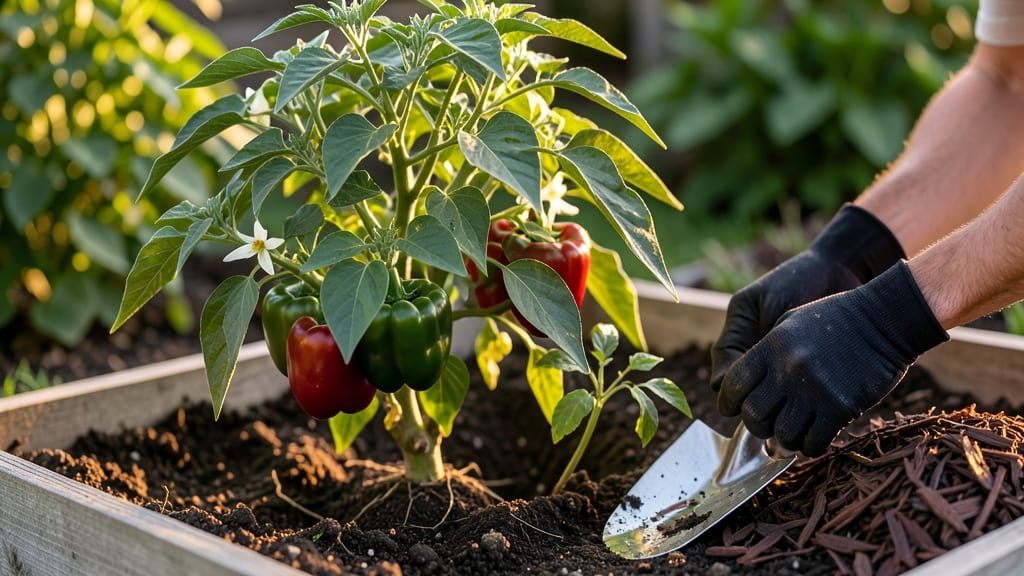
Timing your bell pepper 🌶️ planting in Southern California can make the difference between a bumper crop and wasted effort—because unlike other regions, you’ve got zero frost risk but wildly different microclimates that demand precision.
Plant too early in coastal areas, and your seedlings might languish in chilly, foggy conditions. Too late in inland valleys, and the summer heat could stress young plants before they even bear fruit. The key? Knowing exactly when soil warms up—and how to adjust for your specific zone.
I’ll break down the perfect planting windows for your location, whether you’re in foggy Santa Barbara, sunbaked Palm Springs, or somewhere in between.
Plus, I’ll share pro tips to prep your soil and protect your peppers from Southern California’s quirks—so you can harvest plump, flavorful peppers from May through October (or even later with a fall crop!).
Ready to avoid common mistakes and maximize your harvest? Let’s get started with the microclimate-specific timeline that actually works for SoCal gardeners.
Southern California bell pepper planting calendar by microclimate zone
Southern California’s diverse microclimates mean your bell pepper planting timeline depends heavily on whether you’re in coastal fog zones, inland valleys, or desert regions. Unlike northern climates, we don’t have to worry about frost damage, but soil temperature and heat stress are critical factors.
Let’s break down the optimal planting windows for each zone to ensure your peppers thrive.
For coastal areas like San Diego or Santa Barbara (USDA zones 9b-10a), cooler ocean breezes delay soil warming. Here, start transplants in late February or direct-sow seeds in March to avoid spring chill.
Inland zones like Los Angeles or Riverside (USDA 10a-11) can plant transplants as early as January or seeds in February, while desert regions (USDA 11) like Palm Springs can even start transplants in December for an early harvest.
| Microclimate Zone | USDA Zone | Transplant Window | Direct Sow Window | Soil Temp Goal | Harvest Window |
|---|---|---|---|---|---|
| Coastal (San Diego, Santa Barbara) | 9b-10a | Late Feb - Early Mar | March - Early Apr | 60°F+ (15°C+) | May - October |
| Inland (LA, Riverside, San Bernardino) | 10a-11 | January - February | February - March | 65°F+ (18°C+) | March - November |
| Desert (Palm Springs, Coachella) | 11 | December - January | January - February | 70°F+ (21°C+) | February - December |
| Fall Planting (All Zones) | 9b-11 | July - August | August - Early Sept | 60°F+ (15°C+) | October - December |
Why these dates? Bell peppers need warm soil (60°F+) to germinate and grow.
Coastal areas often experience delayed warming due to ocean breezes, while inland zones heat up faster. Desert regions can plant earlier because their soil warms quickly, but they must also account for intense summer heat, which can stress plants if they’re transplanted too early.
For a second harvest, try fall planting in July or August. This works in all zones because summer heat has already peaked, and soil remains warm. Use shade cloth if temperatures exceed 95°F (35°C) to protect young plants from heat stress.
Fall-planted peppers will mature just in time for holiday harvests in October and November.
Pro tip: Use a soil thermometer to confirm temperatures before planting. If your soil is below 60°F (15°C), wait 1-2 weeks or use black plastic mulch to warm it faster. This simple step can double your germination rates and give your peppers a stronger start.
If you’re in a transition zone (e.g., Orange County or Ventura), blend these timelines. For example, coastal Orange County might align with Santa Barbara’s schedule, while inland Orange County follows Riverside’s.
Check local UC Master Gardener resources for hyper-local advice, as microclimates can vary even within cities.
One common mistake is assuming all of Southern California is frost
Southern California bell pepper planting calendar by microclimate zone
Southern California’s diverse microclimates mean your bell pepper planting timeline should vary dramatically depending on whether you’re in coastal Santa Barbara, inland Riverside, or desert Palm Springs. Unlike northern regions, we have no frost risk, but soil temperatures and summer heat still dictate success.
For coastal areas (USDA 9b-10), like San Diego or Santa Barbara, start transplants in late February to early March—soil warms slowly due to ocean breezes.
In inland valleys (USDA 10a-11), like Los Angeles or San Bernardino, you can plant transplants as early as mid-February thanks to faster soil warming. Desert regions (USDA 11), such as Palm Springs, allow transplants year-round, but summer planting requires shade cloth.
Here’s your microclimate-specific planting calendar to maximize yields and avoid heat stress:
| Zone | Transplant Window | Seed Start Indoors | Fall Planting Window | Key Consideration |
|---|---|---|---|---|
| Coastal (9b-10) | Late Feb–Early Mar | Jan–Feb (8-10 wks before) | Aug–Sept | Fog delays soil warming |
| Inland Valleys (10a-11) | Mid-Feb–Early Apr | Jan–Mar (6-8 wks before) | July–Aug | Soil warms faster |
| Desert (11) | Year-round (avoid peak summer) | Feb–Apr (shade cloth needed) | Sept–Oct | Use shade for summer plants |
For direct-seeded peppers, wait until soil reaches 60°F (15°C)—use a soil thermometer to check. Inland areas hit this mark by mid-March, while coastal zones may not warm until April. Black plastic mulch can accelerate soil warming by 5–10°F in just days.
Pro tip: Succession plant every 2 weeks from February through May to ensure continuous harvests. And don’t forget—fall planting (July–September) gives you a second crop before winter slows growth. Just be prepared for shorter daylight hours in late fall.
Now that you’ve got your timeline locked in, let’s dive into how to adjust these dates for your exact location using soil temperature and local tools—so you can fine-tune your planting like a pro. 🌱