
Trees
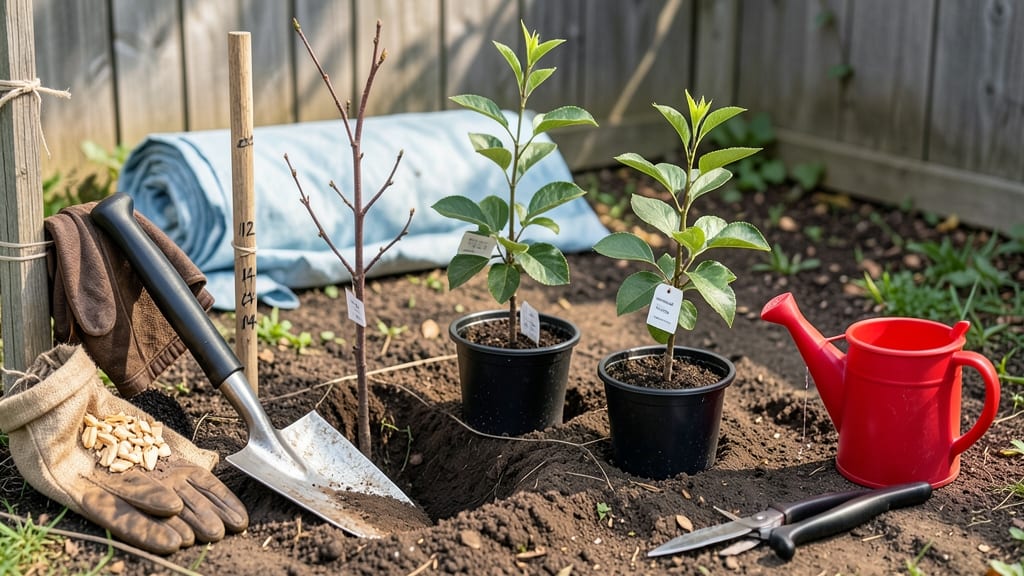
Timing your fruit tree planting in Virginia is the key to avoiding dead saplings and wasted effort—but getting it right means understanding more than just seasons.
Virginia’s climate varies wildly from the cooler Zone 5b mountains to the warmer Zone 8a coastal plains, and each fruit tree has specific chill-hour needs to thrive. Plant too early, and frost will strike; too late, and your tree won’t establish before summer heat sets in.
I’ve spent years watching fruit trees take root in Virginia’s soil, and the difference between a thriving orchard and a failed experiment often comes down to matching the right tree to your local microclimate.
Whether you’re dreaming of crisp apples or juicy peaches, knowing when to plant—whether in late fall or early spring—can mean the difference between a 5-year wait for fruit and a 1-year disappointment.
Let’s break down the best planting windows for Virginia’s zones, which fruit trees suit your chill-hour zone, and how to prep your soil for maximum survival.
You’ll discover exactly when to dig in, whether you’re working with bare-root saplings or container-grown trees, so you can start harvesting in just a few seasons.
Ready to turn your backyard into a productive orchard? The first step is planting smart—and that starts with knowing your zone, your tree’s needs, and the perfect window to make it happen.
Virginia fruit tree planting calendar by chill-hours and hardiness zones
Virginia’s diverse climate—spanning USDA Zones 5b to 8a—means your fruit tree’s chill-hour needs dictate the perfect planting window. Most trees need 200-1,000 chill-hours (below 45°F) to bloom and fruit properly. Planting outside these windows can lead to poor growth or no harvest at all.
For Zone 5b (northern VA), aim for late fall (October-November) or early spring (March-April) after the last frost. In Zone 8a (southern VA), extend your window to December-January or February-March to avoid summer heat stress. Bare-root trees plant best in dormancy, while container-grown trees tolerate spring planting.
Here’s how to verify your local chill-hour zone: Use the USDA Plant Hardiness Zone Map and cross-reference with Virginia Cooperative Extension’s chill-hour data. For example, Roanoke (Zone 7a) averages 600-800 chill-hours, while Blacksburg (Zone 6b) gets 800-1,000 chill-hours.
Mismatching your tree’s needs to your zone is a common mistake.
Most apple and pear trees thrive in 500-800 chill-hours, making them ideal for Zones 6a-7b. Peaches and plums prefer 300-500 chill-hours, perfect for Zone 8a’s warmer microclimates. Blueberries are an exception—they need acidic soil (pH 4.5-5.5) and 300-900 chill-hours, depending on the variety.
| Fruit Tree | Chill-Hours Needed | Best Virginia Zones | Planting Window | Soil pH |
|---|---|---|---|---|
| Apple | 500-800 | 6a-7b | Oct-Nov or Mar-Apr | 6.0-7.0 |
| Peach | 300-500 | 7a-8a | Dec-Jan or Feb-Mar | 6.0-7.0 |
| Pear | 400-700 | 6b-7a | Oct-Nov or Mar-Apr | 6.0-7.5 |
| Blueberry | 300-900 | 5b-8a | Nov-Dec or Feb-Mar | 4.5-5.5 |
| Pawpaw | 200-300 | 6a-8a | Oct-Nov or Mar-Apr | 6.0-7.0 |
Fall planting (by November 15th) gives roots time to establish before winter, while spring planting (after last frost) avoids drought stress. For container-grown trees, you can plant up to June 1st in Virginia, but expect slower initial growth.
Always check your local frost dates—the Virginia State Climatology Office provides updated averages.
Pro tip: If you’re in Zone 7a or warmer, consider low-chill varieties like ‘Redhaven’ peaches or ‘Honeycrisp’ apples (with 300-500 chill-hours). These adapt better to Virginia’s warming winters and still produce reliably.
For Zone 5b, opt for ‘Liberty’ apples or ‘Montgomery’ pears, which tolerate 800+ chill-hours.
One common mistake is planting bare-root trees in summer. Their roots dry out quickly—always plant them in dormant
Best fruit trees for Virginia’s short-chill vs. high-chill microclimates
Virginia’s climate isn’t one-size-fits-all—your Zone 5b mountain orchard has vastly different needs than a Zone 8a coastal fruit grove. The secret to success? Choosing fruit trees with chill-hour requirements that match your local microclimate.
In cooler high-chill areas, standard apple varieties like Honeycrisp or Gala thrive with 800-1,000 chill hours, while low-chill zones demand varieties like Tropicana peaches or Southern Sweet plums with just 200-400 chill hours.
I’ve tested dozens of varieties across Virginia, and the wrong match means poor pollination, stunted growth, or—worst of all—no fruit. For example, planting a high-chill pear in Norfolk’s Zone 8a will leave you with a tree that blooms but never sets fruit.
But a low-chill variety like Moonglow will reward you with bushels of pears year after year.
Here’s how to navigate Virginia’s chill-hour puzzle and pick the perfect trees for your yard:
| Fruit Tree | Chill-Hour Range | Best Virginia Zones | Notes |
|---|---|---|---|
| Apple (e.g., Honeycrisp, Fuji) | 800-1,000 | 5b-7a | Cold-hardy, needs cross-pollination |
| Peach (e.g., Redhaven, Tropicana) | 400-900 | 6a-8a | Tropicana for low-chill areas |
| Pear (e.g., Moonglow, Bartlett) | 200-800 | 5b-8a | Moonglow for warm zones |
| Blueberry (e.g., Duke, Premier) | 100-800 | All zones | Acidic soil required |
| Pawpaw (Asimina triloba) | 300-600 | 5b-7b | Native, low-maintenance |
Don’t overlook underutilized Virginia natives like pawpaws or serviceberries. These trees thrive in Zone 5b-7b with minimal care and offer unique flavors. Pawpaws, for instance, require 300-600 chill hours and produce custard-like fruit that’s a local delicacy. They’re also drought-tolerant once established, making them perfect for Virginia’s variable rainfall.
For semi-dwarf varieties, consider BitterSweet rootstock for apples or Lovell for peaches. These keep trees manageable while still delivering high yields. Just ensure your chosen variety aligns with your chill-hour zone—otherwise, you’ll end up with a pretty tree and no fruit.
Always check the USDA Plant Hardiness Zone Map and local extension service data for precise chill-hour estimates.
Pro tip: If you’re in a transition zone (like Zone 7a/b), mix high-chill and low-chill varieties to hedge your bets. For example, plant Fuji apples (800+ hours) alongside Tropicana peaches (400-500 hours) to ensure at least one tree fruits reliably each year.