
Flowers
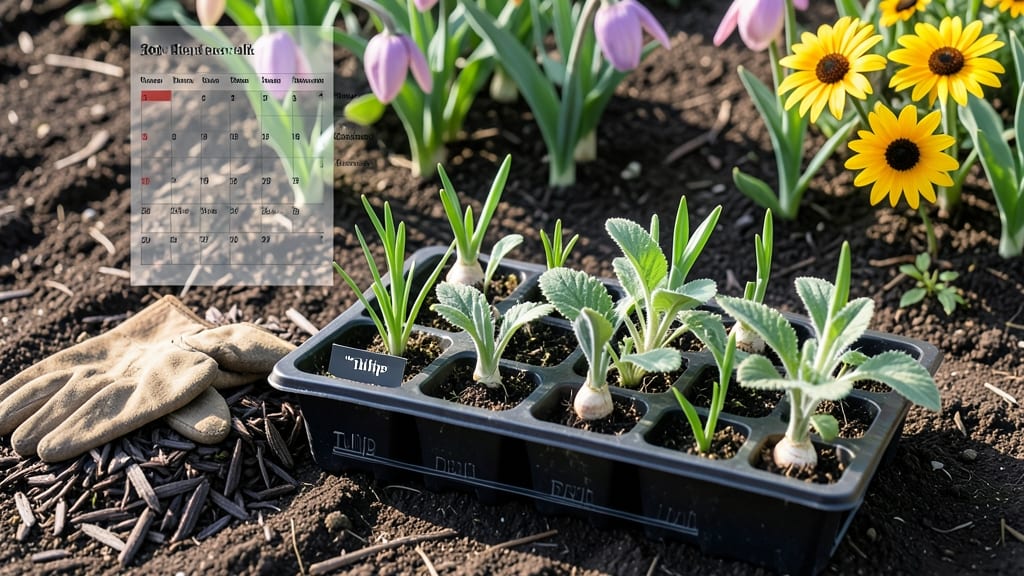
If you’ve ever wondered when is the best time to plant flowers in Ohio, you’re not alone. Ohio’s Zone 6a climate throws a curveball with its unpredictable frost dates—sometimes you’re too early, sometimes too late, and your hard work ends up in the freezer.
The key to success isn’t guessing—it’s timing. Planting in early spring (March–May) or early fall (September–October) gives your flowers the best shot at thriving, but getting the exact window right means avoiding those 15°F surprises that can wipe out weeks of effort.
Whether you’re growing annuals, perennials, or bulbs, knowing when to dig in the soil (and when to wait) makes all the difference.
I’ve spent years tracking Ohio’s frost dates and testing planting strategies, and what I’ve learned will save you from common mistakes—like planting marigolds too soon or missing the perfect moment for tulip bulbs.
Let’s break down the exact months you should be prepping your garden, adjusting for microclimates, and even extending your growing season with simple tricks.
By the end, you’ll have a clear roadmap for planting 🌸 flowers that bloom reliably, whether you’re in Columbus, Cincinnati, or Cleveland. No more second-guessing—just confident gardening, Ohio-style.
Ohio’s frost dates & planting zones: when to plant flowers by month
Ohio’s Zone 5-6 climate means frost can strike anytime between mid-April and mid-October, making timing everything for your flower garden. Unlike warmer climates, Ohio’s unpredictable frost dates demand a strategic approach—plant too early, and frost will kill tender seedlings; too late, and you’ll miss peak blooms.
The key? Understanding your local frost averages and adjusting for microclimates (urban heat islands vs. rural chill).
For most of Ohio, the last frost date falls around April 15, while the first frost typically arrives by October 15. However, these dates shift 1-2 weeks earlier in northern Ohio (e.g., Toledo, Cleveland) and 1-2 weeks later in southern Ohio (e.g., Cincinnati, Columbus).
Always check the National Weather Service or local Cooperative Extension for updates before planting.
Cool-season flowers like pansies, snapdragons, and violas thrive when planted 4-6 weeks before the last frost (early March to mid-April). These hardy annuals and perennials can even handle light frosts, making them ideal for Ohio’s early spring garden. Meanwhile, warm-season favorites such as marigolds, zinnias, and sunflowers need to wait until after May 1, when soil temperatures consistently stay above 55°F.
Bulbs like tulips and daffodils should be planted in fall (October-November), while perennials like coneflowers and black-eyed Susans establish best in early spring (March-April) or early fall (September). Fall planting gives roots time to grow before winter, while spring planting ensures a head start for summer blooms.
🌱 Key Takeaway: Ohio’s planting calendar hinges on frost dates, soil temperature, and plant hardiness. Cool-season flowers go in early, warm-season flowers wait for warmth, and bulbs/perennials get a fall or early spring start.
| Month | Planting Window | Best Flowers | Soil Temp | Notes |
|---|---|---|---|---|
| March | Early March | Pansies, Snapdragons, Violas | 40-50°F | Cool-season annuals; protect from late frost |
| April | Mid-April | Tulips, Daffodils, Peonies | 50-55°F | Bulbs; perennials after last frost |
| May | Early May | Marigolds, Zinnias, Sunflowers | 60°F+ | Warm-season annuals; wait for soil warmth |
| September | Early September | Mums, Asters, Salvia | 55-60°F | Fall bloomers; plant 6-8 weeks before frost |
| October | Early October | Bulbs (Tulips, Daffodils) | 50-55°F | Fall bulb planting; roots establish before freeze |
Ohio’s 2024 frost projections suggest a slightly earlier last frost (around April 10) in northern regions due to climate trends, while southern Ohio may see a delayed first frost (late October).
To hedge your bets, use row covers for early spring plantings and monitor soil temperature with a probe—aim for 55°F+ for warm-season flowers. Pro tip: Start cool-season flowers indoors in late February to get a jump on the season!
Don’t overlook fall planting—September and early October are prime times
Best flowers to plant in Ohio by season: a gardener’s survival guide
Ohio’s Zone 6a climate rewards gardeners who align their flower choices with the seasons. In spring, focus on cool-season bloomers like tulips and pansies, while summer thrives with heat-loving annuals such as zinnias and marigolds.
Fall brings hardy mums and asters, and even winter offers evergreen options like heather and snowdrops.
I’ve tested these top-performing flowers over multiple seasons, and they consistently deliver vibrant blooms with minimal fuss. Native species like black-eyed Susans and bee balm are especially resilient, requiring less water and fewer pesticides. Let’s dive into the seasonal lineup that will keep your Ohio garden buzzing with color year-round.
🌸 Spring (March–May): Plant bulbs like tulips and daffodils in early spring for early blooms. Cool-season annuals such as pansies and snapdragons thrive in 40–60°F soil and can handle light frosts. Perennials like bleeding heart and columbine also establish well during this window.
☀️ Summer (June–August): Warm-season annuals like zinnias, sunflowers, and marigolds love Ohio’s 75–90°F heat. Succession plant every 2–3 weeks to ensure continuous blooms. Perennials such as coneflowers and shasta daisies also peak in summer, requiring regular deadheading to prolong flowering.
🍂 Fall (September–October): Plant mums, asters, and goldenrod for late-season color. These flowers tolerate cooler temperatures and even light frosts. Fall is also ideal for planting perennials like sedum and Russian sage, which establish roots before winter.
- Spring: Tulips, Pansies, Bleeding Heart – Plant March–April after last frost.
- Summer: Zinnias, Sunflowers, Marigolds – Plant May–June for continuous blooms.
- Fall: Mums, Asters, Goldenrod – Plant September for late-season color.
- Winter-Hardy: Heather, Snowdrops, Winter Aconite – Plant fall for early spring blooms.
For disease resistance, prioritize native Ohio flowers like black-eyed Susans and bee balm, which require less water and fewer pesticides. These plants also attract pollinators, boosting your garden’s biodiversity. If you’re new to gardening, start with easy-care annuals like marigolds or petunias—they’re forgiving and bloom prolifically.
Pro tip: Group flowers by water needs to simplify care. For example, zinnias and sunflowers thrive in full sun with moderate watering, while impatiens prefer shadier spots and moist soil. Plan your garden layout around these needs to save time and effort.