
Plants
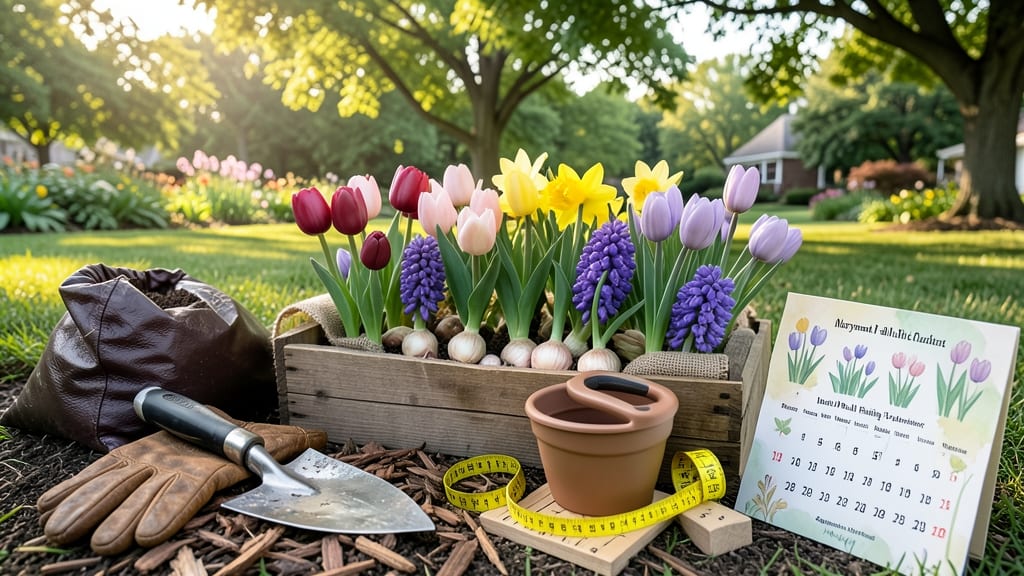
Planting bulbs at the wrong time in Maryland can mean the difference between a garden bursting with color and a sad, frost-killed mess. The key to vibrant spring blooms lies in understanding your 7a-7b zone and Maryland’s unpredictable frost dates—because timing isn’t just about the calendar, it’s about the ground.
Fall planting is your golden window for most 🌱 bulbs, but rushing too early or waiting too late can leave them vulnerable to winter’s harshest freezes.
Meanwhile, spring-planted varieties like crocus need a different approach entirely. Whether you’re a seasoned gardener or just starting, getting this right ensures your bulbs thrive—not just survive.
I’ll break down the exact months you should be digging in Maryland, which bulbs handle our climate best, and how to protect them from late frosts. No more guesswork—just zero-frost success for your garden.
Ready to turn your yard into a springtime showstopper? Let’s get those bulbs in the ground the right way.
Maryland’s ideal fall bulb planting schedule by zone (with exact dates)
Maryland’s USDA Zones 7a-7b mean you have a narrow window to plant bulbs for spring blooms—typically 6-8 weeks before the ground freezes. In most of Maryland, that’s mid-September through November, but exact timing varies by county.
Northern Maryland (like Baltimore County) has earlier frosts, while southern regions (like Prince George’s County) can plant slightly later.
For tulips, daffodils, and hyacinths, aim to plant by November 15 in northern zones and December 1 in southern zones. These bulbs need time to establish roots before winter dormancy.
If you miss fall planting, don’t worry—many bulbs can also be planted in early spring, but fall-planted bulbs generally produce larger, more vibrant blooms.
Soil temperature is your best guide: bulbs should go into soil that’s below 60°F (15°C). Use a soil thermometer to check—if it’s staying above 60°F, wait a few more weeks.
Maryland’s average first frost ranges from November 15 in the north to December 1 in the south, so plan accordingly.
Here’s your zone-by-zone planting schedule for Maryland, including soil prep tips to protect bulbs from frost:
| Zone | Planting Window | Soil Prep | Bulb Depth | Notes |
|---|---|---|---|---|
| Northern MD (Zone 7a) | Mid-Sept–Nov 15 | Add compost + mulch | 2x bulb width | Frost arrives earliest |
| Central MD (Zone 7a) | Late Sept–Nov 22 | Loosen soil + bone meal | 2x bulb width | Moderate frost risk |
| Southern MD (Zone 7b) | Late Sept–Dec 1 | Well-draining soil | 2x bulb width | Later frost dates |
Before planting, amend your soil with compost or aged manure to improve drainage—Maryland’s clay-heavy soil can cause bulbs to rot if waterlogged. For extra frost protection, add a 2-inch layer of mulch after planting. Avoid fresh mulch, which can draw moisture away from bulbs.
Plant bulbs 3 times as deep as their diameter (e.g., a 2-inch daffodil bulb goes 6 inches deep). Use a bulb planter or trowel to dig holes, then place bulbs pointy end up.
Space smaller bulbs (like crocus) 3 inches apart and larger ones (like tulips) 6 inches apart.
After planting, water deeply to settle the soil and encourage root growth. Avoid overwatering, which can cause rot. Once the ground freezes, bulbs will enter dormancy and bloom spectacularly next spring.
In Maryland, you’ll see tulips and daffodils popping up as early as late February, with peak blooms in March and April.
If you’re in a warmer microclimate (like near the Chesapeake Bay), you can push planting to early December. Just monitor soil temps—if they drop below 50°F (10°C) for more than a week, cover bulbs with straw mulch for extra insulation.
Pro tip: Plant alliums and fritillaries in fall—they thrive in Maryland’s climate and deter pests like squirrels. These bulbs also naturalize beautifully, returning year after year with minimal care.
Spring bulb planting in Maryland: late winter vs early spring rules
Spring bulb planting in Maryland is all about catching that narrow window between frost and soil thaw. Unlike fall-planted bulbs, spring varieties like crocus and snowdrops need to establish roots quickly before Maryland’s average last frost date (March 15–April 15).
Plant too early, and you risk frost damage; too late, and your bulbs may not bloom at all.
My rule of thumb? Start planting as soon as the ground is workable but not soggy—usually late February to early March. This timing gives bulbs 4–6 weeks to root before spring’s unpredictable temperature swings. Maryland’s humid climate can also complicate things, so choose well-draining spots to avoid rot.
For crocus and snowdrops, aim for early March planting—they’re hardy enough to handle light frosts. Meanwhile, tulips and daffodils planted in spring will bloom, but they may not naturalize as reliably as fall-planted ones. The trade-off? You can still enjoy vibrant spring color without fall prep.
⚠️ WARNING: Maryland’s early thaws can fool you—always check the 10-day forecast before planting. A sudden cold snap after planting can stunt root growth or kill tender shoots. If frost is predicted within 2 weeks, delay planting until conditions stabilize.
🚨 Spring Planting Pitfalls in Maryland
Planting too early: Frost can kill emerging shoots before roots establish.
Overwatering: Soggy soil in spring leads to bulb rot—especially in Maryland’s clay-heavy soils.
Skipping soil prep: Amend with compost to improve drainage before planting.
Ignoring mulch: A 2-inch layer of mulch protects bulbs from temperature swings.
If you miss the spring window, don’t panic—fall planting is still your best bet for reliable blooms. But for now, focus on well-draining soil, proper spacing (6 inches apart for most bulbs), and a light mulch to retain moisture.
Even in Maryland’s variable climate, these steps will give your spring bulbs the fighting chance they need.
Pro tip: Mark your planting spots with biodegradable flags to avoid accidentally digging up bulbs later in the season. A little organization now means fewer surprises when those first spring blooms pop up!