
Plants
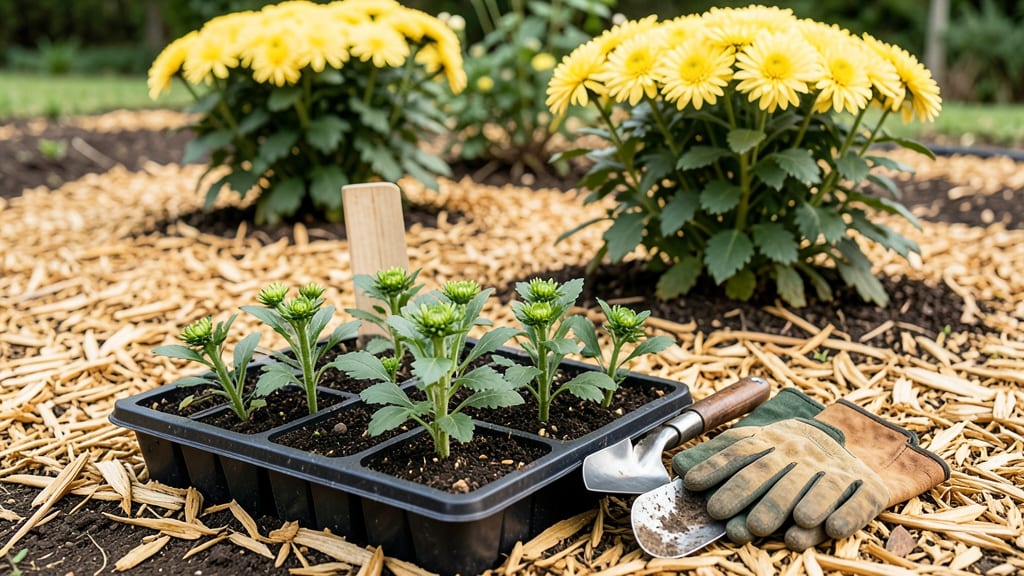
Timing is everything when it comes to planting Fall Mums in the ground—get it right, and you’ll enjoy a dazzling display of 🌼 colors all season long. If you’ve ever watched your mums struggle to bloom or wither before winter, you’re not alone.
The key lies in planting them 4-6 weeks before your first frost date, a window that varies dramatically depending on where you live.
For gardeners in USDA Zone 6a (like me!), that means late August to early September is prime time. But whether you’re in a cooler northern climate or a milder southern region, knowing your local frost dates is the game-changer.
I’ll show you exactly how to adjust your planting schedule—plus soil prep tips—to ensure your Fall Mums thrive until winter arrives.
Don’t worry if you’re new to gardening—this isn’t about guesswork. We’ll break down the science behind frost dates, how to pick the perfect varieties for your zone, and even what to do if Mother Nature throws a curveball.
By the end, you’ll know exactly when to plant for bold blooms and easy care, no matter where you garden.
Ready to transform your yard into a fall masterpiece? Let’s dive into the ideal planting windows and pro tips that’ll make your Fall Mums the star of the season.
Fall mum planting timeline by USDA hardiness zones
Getting the timing right for planting fall mums in ground means checking your USDA hardiness zone and local frost dates. These vibrant flowers need 4-6 weeks to establish roots before cold weather arrives.
Plant too early, and they’ll bolt; too late, and frost will damage tender growth. Let’s break down the ideal planting windows by zone to ensure your mums thrive.
Most gardeners aim to plant late summer to early fall, but exact dates shift from Zone 3 to Zone 11. For example, in colder zones (3-5), you’ll plant in July-August, while warmer zones (8-11) can wait until September-October.
Always calculate 6 weeks before your first frost date—this is your golden window.
Here’s how to use this guide: Find your zone, note the early, ideal, and late planting dates, and adjust based on your local climate. For instance, if you’re in Zone 6a (like much of the Midwest), aim for mid-August.
Pro tip: Check the National Weather Service for your area’s average first frost date—it’s your planting deadline.
| USDA Zone | Early Planting | Ideal Planting | Late Planting | First Frost Date |
|---|---|---|---|---|
| Zone 3 | July 1-15 | July 20-August 5 | August 10-20 | September 25-October 5 |
| Zone 4 | July 10-20 | July 25-August 10 | August 15-25 | October 1-10 |
| Zone 5 | July 20-August 5 | August 1-15 | August 20-September 5 | October 10-20 |
| Zone 6 | August 1-10 | August 15-30 | September 1-15 | October 25-November 5 |
| Zone 7 | August 10-20 | August 25-September 10 | September 15-25 | November 1-10 |
| Zone 8 | September 1-10 | September 15-25 | October 1-10 | November 15-December 1 |
| Zone 9 | September 10-20 | September 25-October 10 | October 15-25 | December 1-15 |
| Zone 10 | October 1-10 | October 15-25 | November 1-10 | December 15-January 1 |
| Zone 11 | October 15-November 1 | November 1-15 | November 20-December 5 | Rare (or none) |
*Adjust dates 1-2 weeks earlier for early frost years or later for late frost years.
If you’re unsure about your USDA zone, use the USDA Plant Hardiness Zone Map or enter your ZIP code on gardening websites like Planthardiness.ars.usda.gov. For example, Chicago (Zone 5b) has a first frost around October 15, so aim to plant by September 1.
Meanwhile, Miami (Zone 11) can plant until November!
Pro tip: Use
Fall mum planting timeline by USDA hardiness zones
Planting fall mums at the right time ensures they establish roots before winter and bloom beautifully. The general rule is to plant 4-6 weeks before your first frost date, but exact timing varies by USDA hardiness zone.
For example, gardeners in Zone 5 should plant in early to mid-September, while those in Zone 9 can wait until late October. Let’s break down the ideal planting windows for each zone to help you plan.
Understanding your local frost dates is critical. Most gardeners can find this information through the USDA Plant Hardiness Zone Map or local agricultural extensions.
For instance, in Zone 7, where I live, the first frost typically arrives around October 15, so I aim to plant my mums by early September. If you’re unsure, check your average first frost date and count backward 4-6 weeks to determine your planting window.
Here’s a quick reference for key planting periods across common zones. These windows account for the time mums need to establish roots and bloom before winter sets in.
| USDA Zone | Early Planting | Ideal Planting | Late Planting | First Frost Date |
|---|---|---|---|---|
| 3-4 | Late July | Early August | Mid-August | October 1 |
| 5 | Early August | Mid-August | Early September | October 15 |
| 6-7 | Late July | Early to Mid-August | Late August | October 15-30 |
| 8-9 | Early August | Mid-August to Early September | Late September | November 15-December 1 |
| 10-11 | Late August | September | Early October | December 15-January 1 |
If you’re in a warmer zone (8-11), you might notice mums can bloom well into winter, but they still need time to root before cooler temperatures arrive. For cooler zones (3-5), planting too late can result in weak growth or frost damage before blooming.
Always aim for the ideal planting window to maximize your chances of success.
Once you’ve chosen your planting window, prepare your soil by amending it with compost or well-rotted manure to improve drainage and fertility. Fall mums thrive in well-draining soil with a pH of 6.0-6.5, so a soil test can help you make any necessary adjustments.
After planting, water deeply to settle the soil and encourage root growth. Mulching around the base of the plants helps retain moisture and protect roots from temperature fluctuations.
Pro tip: If you’re unsure about your frost date, use a soil thermometer to check temperatures. Mums prefer soil temps between 60-70°F for optimal root development. Planting too early in hot soil can stress the plants, while waiting too long risks frost damage. Balance is key!