
Plants
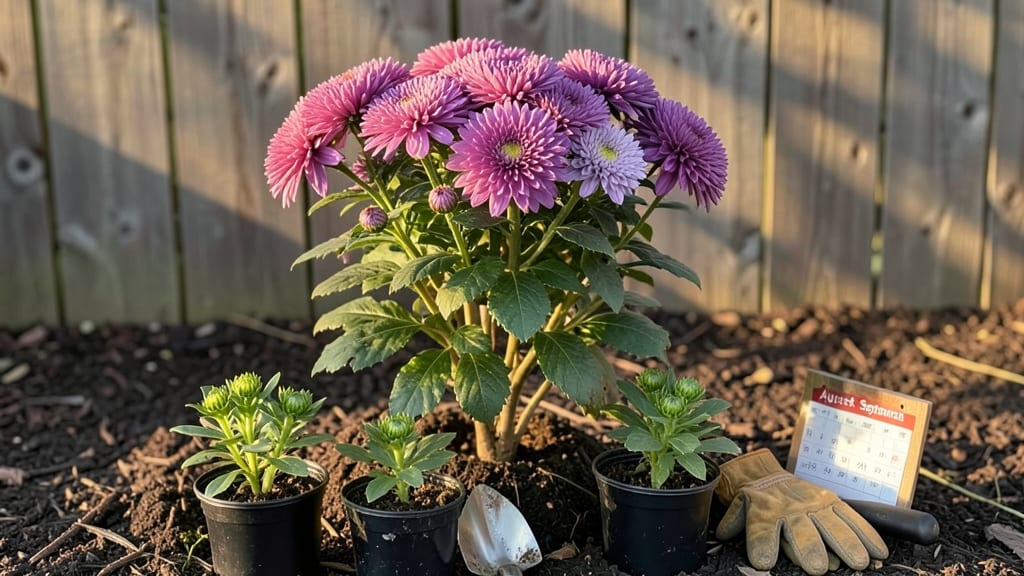
If you're dreaming of a vibrant Ohio fall garden bursting with 🌼 mums, timing your planting is the secret weapon. Planting these colorful bloomers at the wrong time can leave you with weak stems and underwhelming blooms—so let's get this right from the start.
Ohio's 6a-6b climate gives you a narrow but critical window to plant mums for maximum impact. Unlike many flowers, these beauties thrive when planted 4-6 weeks before your first frost—typically late summer to early fall.
This timing ensures they establish strong roots while still having enough warm days to produce those show-stopping blooms.
What makes this timing so special? Mums planted now will have time to develop deep roots before winter sets in, making them hardier and more resilient in Ohio's unpredictable weather.
Plus, you'll avoid the common mistake of planting too early, which can lead to leggy growth or too-late blooms that get cut short by frost.
Ready to transform your yard into a fall masterpiece? I'll walk you through everything you need to know—from soil prep to variety selection—to ensure your mums not only survive but thrive through Ohio's autumn season. Let's make this your best mum-growing year yet!
Optimal planting windows for mums in Ohio: late summer vs. early fall timing
Ohio’s 4-6 week planting window before the first frost is your golden opportunity for stunning mum blooms. For most of the state (USDA zones 5b-6b), this means planting between mid-August and mid-September.
This timing allows roots to establish before winter while giving flowers time to mature for fall color.
Why timing matters so much? Mums need 50-65°F soil temperatures to root properly. Planting too early (like June) can lead to bolting (premature flowering), while planting too late (after September 20) risks weak roots before frost.
Ohio’s average first frost date is around October 15, so work backward from that.
Here’s how to check your local frost date: Visit the Old Farmer’s Almanac or your county Ohio State University Extension office. For example, in Columbus, the window is August 15-September 15, while Cleveland leans slightly earlier (August 10-September 10) due to cooler lake effects.
Pro tip: If you’re in Southern Ohio (zone 6b), you might push planting to early October—but avoid this in Northern Ohio (zone 5b). The key is root establishment, not just leaf growth.
| Region | Best Planting Window | Soil Temp Goal | Frost Buffer |
|---|---|---|---|
| Northern Ohio (Cleveland, Toledo) | August 10–September 10 | 50–60°F | 4–5 weeks |
| Central Ohio (Columbus, Dayton) | August 15–September 15 | 55–65°F | 5–6 weeks |
| Southern Ohio (Cincinnati, Lexington) | August 20–October 1 | 60–65°F | 6 weeks |
🌼 Planting Tip: Use a soil thermometer to confirm temps—cooler soils delay root growth.
If you miss the ideal window, don’t panic! You can plant mums as late as early October, but expect smaller blooms. For a spring display, plant in April (after last frost), but fall-planted mums always outperform spring ones in Ohio’s climate.
Another Ohio-specific challenge? Unpredictable late-summer storms. Heavy rains can compact soil and suffocate roots. To combat this, amend your soil with compost or perlite for better drainage. Also, avoid planting in soggy ground—wait for soil to dry slightly after rain.
For container gardeners, the rules are slightly different. Potted mums can handle 1-2 weeks later planting since containers warm up faster. Just ensure pots have drainage holes and use a lightweight potting mix. In containers, mums also tolerate slightly cooler soil temps (down to 45°F).
One final pro move: If you’re planting bare-root mums (common in Ohio nurseries), soak roots in water for 1-2 hours before planting. This jumpstarts root growth and helps them recover from transplant shock. For container-grown mums, water thoroughly the day before planting to reduce stress.
Remember: The earlier you plant within the window, the more time mums have to establish roots and bloom. But don’t rush—healthy roots > big flowers. Aim for 4-6 weeks of root growth before frost hits for the best results. 🌿
How to prepare Ohio soil and select mum varieties for maximum fall color
Ohio’s clay-heavy soil and variable moisture can challenge mums if not properly amended. Before planting, focus on improving drainage and organic matter—mums hate soggy roots. Test your soil’s pH level (6.0-6.5) using a home kit; adjust with lime if too acidic or sulfur if too alkaline.
Work in 2-3 inches of compost or well-rotted manure to feed roots while improving texture.
For container gardening, use a lightweight mix of 50% potting soil, 30% perlite, and 20% compost. Containers dry faster in Ohio’s summer heat, so add water-retaining crystals.
Elevate pots to prevent water pooling—mums despise wet feet. If planting in raised beds, ensure they’re at least 12 inches deep to accommodate root growth.
| Variety | Cold Hardiness | Bloom Duration | Best For |
|---|---|---|---|
| 'Bright Lights' | Zones 5-9 | 6-8 weeks | Containers, borders |
| 'Mammoth' | Zones 5-8 | 8-10 weeks | Mass plantings |
| 'Dynasity' | Zones 4-9 | 10+ weeks | Cut flowers |
| 'Bonanza Series' | Zones 5-9 | 7-9 weeks | Low-light areas |
💡 Pro Tip: Choose dwarf varieties for small spaces or standard types for bold impact. Ohio’s unpredictable late frosts favor hardy varieties like 'Dynasity'—they’ll rebound after light freezes.
When selecting mums, prioritize Ohio-hardy cultivars that thrive in USDA Zones 5-6. Avoid tender tropical varieties unless you’ll overwinter them indoors. For longer blooms, opt for spray-type mums like 'Bonanza'—they produce more flowers per stem.
If your yard has partial shade (3-6 hours of sun), choose shade-tolerant types like 'Painted Lady' series.
Space mums 12-24 inches apart, depending on variety. Dwarf types need 12 inches of clearance, while standard mums require 24 inches for airflow. Overcrowding invites powdery mildew, a common Ohio issue.
After planting, water deeply to settle roots and apply 2 inches of mulch (straw or shredded leaves) to retain moisture and regulate soil temperature.
Ohio’s humid summers demand vigilance against pests like aphids and spider mites. Inspect new plants before buying—look for sticky residue or webbing. Treat infestations with neem oil or insecticidal soap.
For organic control, introduce ladybugs or lacewings; they’re natural predators of mum pests. Regularly prune dead blooms to encourage continuous flowering through fall.
Remember: Fall color starts in the soil. Amend it right, pick the right mums, and give them space to shine. Your Ohio garden will thank you with weeks of vibrant blooms—just in time for autumn’s crisp air. 🍂