
Plants
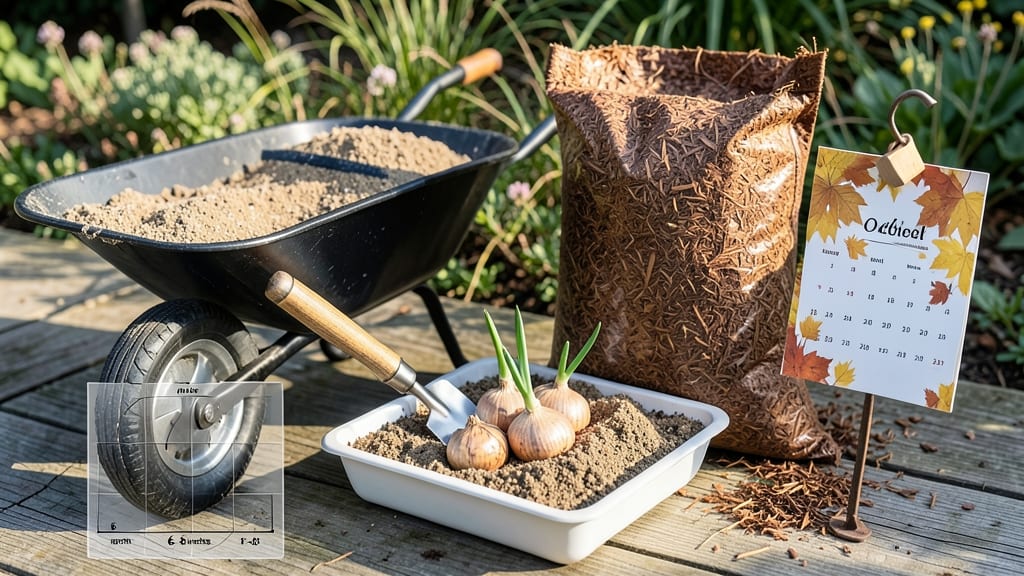
If you’ve ever wondered when to plant tulip bulbs in New Jersey, timing is the single most important factor between vibrant spring blooms and wasted effort.
The ideal window—October through November—aligns perfectly with New Jersey’s USDA Zones 6a-7a, where chilly soil and approaching frost signal bulbs it’s time to settle in.
Planting too early means bulbs may rot in damp soil, while waiting too late risks exposing them to harsh winter freezes. The key is getting them in the ground 4-6 weeks before the first hard frost, typically around mid-November in most of the state.
This timing ensures roots establish before winter dormancy kicks in.
For gardeners in North Jersey (like Zone 6a areas), aim for early October planting, while those in warmer South Jersey (Zone 7a) can wait until late October. The NJ Agricultural Extension recommends checking soil temperatures—below 60°F is ideal—to confirm readiness.
Once you’ve mastered the timing, the rest is simple: well-drained soil, proper depth, and a light mulch. Let’s break down exactly how to plant your 🌷 tulips for a showstopping spring display—no guesswork required.
New Jersey’s tulip planting window: when to plant by hardiness Zone
New Jersey’s USDA hardiness zones 6a-7a create a precise window for planting tulip bulbs—typically between mid-October and mid-November. This timing ensures bulbs establish roots before winter while avoiding the risk of rotting in warm fall soils.
The key is planting 4-6 weeks before the ground freezes, usually around November 15 for most of NJ.
North Jersey’s cooler climate (Zone 6a) allows planting slightly later—closer to late October—while South Jersey’s milder winters (Zone 7a) may extend the window until early December. Always check your local first frost date (typically November 15) to adjust timing accordingly.
Soil temperature is critical: tulip bulbs need 40-50°F soil to root properly. Use a soil thermometer to confirm—planting too early in warm soil (above 55°F) can cause bulbs to sprout prematurely and rot.
Microclimates matter! Coastal areas like Cape May may stay warmer longer, while inland regions like Morris County freeze earlier. Adjust your planting date by 1-2 weeks based on your specific location’s frost patterns.
| Zone | Ideal Planting Window | Soil Temp Requirement | Key Adjustments |
|---|---|---|---|
| 6a (North NJ) | Mid-October - Early November | 40-50°F | Plant closer to November 1st |
| 7a (South NJ) | Late October - Mid-November | 45-55°F | Can extend to December 1st |
| Coastal Areas | November - Early December | 50-60°F | Wait for cooler nights |
| Inland Areas | October - Mid-November | 40-50°F | Plant earlier to avoid frost |
For reliable blooms, aim to plant tulip bulbs when daytime highs drop below 70°F and nights consistently reach the 40s°F. This typically aligns with late October for most of NJ, but always verify with your local NJ Agricultural Extension office for hyper-local advice.
Pro tip: Use bulb planters or a trowel to create holes 6-8 inches deep and 4-6 inches apart. This spacing prevents overcrowding and allows bulbs to develop strong roots before winter dormancy.
If you miss the ideal window, you can plant tulip bulbs in December—just ensure the ground isn’t frozen. However, blooms may be smaller or delayed the following spring. For best results, prioritize planting between October 15 and November 15.
Remember: Tulips need winter chill to bloom properly. Planting too late (after December 1) risks bulbs not getting enough cold exposure, leading to poor or no flowering.
After planting, cover bulbs with 2-3 inches of mulch to insulate them from temperature fluctuations and protect against rodent damage. This is especially important in Zone 6a where winters can be harsher.
New Jersey’s tulip planting window: when to plant by hardiness Zone
New Jersey’s USDA Zones 6a-7a create distinct planting windows for tulips, with North Jersey (Zone 6a) needing earlier action than South Jersey (Zone 7a).
The ideal planting window spans from mid-October to mid-November, but exact timing depends on your microclimate and first hard frost dates, which typically arrive between November 15-25.
For Zone 6a gardeners (northern NJ), aim to plant by early November—this gives bulbs enough time to establish roots before 20°F soil temperatures trigger dormancy. In Zone 7a (southern NJ), you can safely plant until mid-November, thanks to milder winters.
Always check your local NJ Agricultural Extension frost date forecasts for precision.
Soil temperature is your best guide: tulip bulbs need below 60°F soil to prevent rot. Use a soil thermometer to confirm readiness—planting too early in warm soil can cause bulbs to sprout prematurely and die back in frost.
Most NJ gardeners hit the sweet spot when daytime temps hover around 50-60°F.
| Zone | Planting Window | First Frost Date | Soil Temp Goal | Key Tip |
|---|---|---|---|---|
| Zone 6a (North NJ) | Mid-October to early November | November 15-25 | Below 60°F | Plant by November 1st for best results |
| Zone 7a (South NJ) | Late October to mid-November | November 20-December 5 | Below 60°F | Can plant up to Thanksgiving |
Microclimates matter! Coastal areas like Cape May (Zone 7b) can plant later, while inland regions like Morris County (Zone 6a) should start earlier. Elevation also plays a role—higher elevations freeze sooner, so adjust your timeline accordingly.
For example, High Point gardeners should plant by late October, while Atlantic City can wait until early November.
Pro tip: Use mulch after planting (2-3 inches of straw or shredded leaves) to insulate bulbs and regulate soil temperature. This extra layer helps prevent frost heave—when bulbs push up and out of the ground during freeze-thaw cycles. In Zone 6a, mulching is especially critical for winter protection.
Remember, tulip bulbs need 6-8 weeks of cold dormancy to bloom reliably. Planting too late (after the first frost) may still work, but you risk weaker blooms next spring. For maximum impact, stick to the October-November window and watch your garden transform in April-May!