
Plants
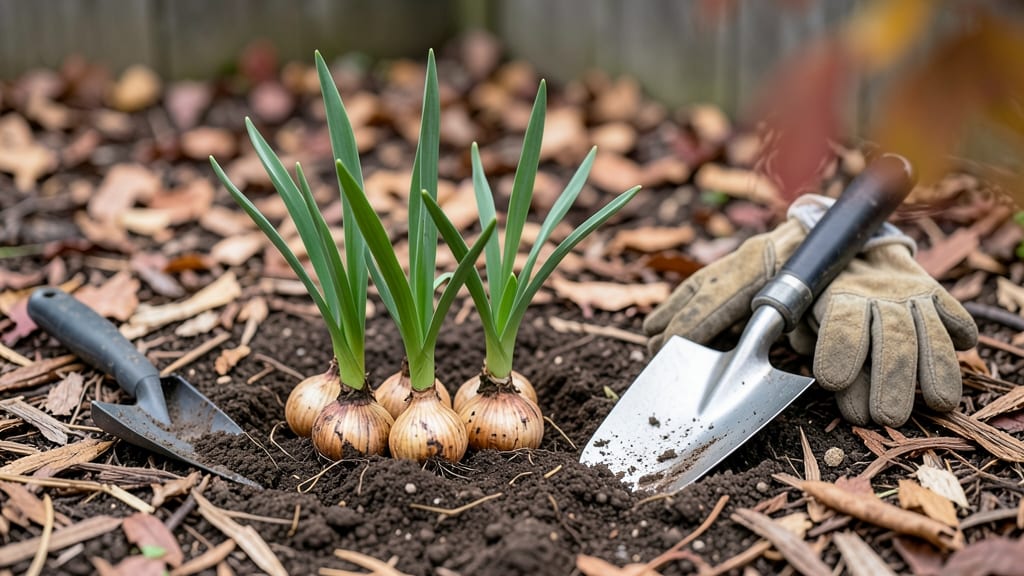
Planting tulips in North Carolina at the wrong time can mean the difference between vibrant spring blooms and bulbs that rot in the ground. For gardeners in Zones 7b and 8a, timing is everything—especially when unpredictable frosts can sneak in earlier than expected.
If you’ve ever wondered why some tulips thrive while others fail, it often comes down to when you plant them. The ideal window spans from October through December, but knowing exactly when to start in your specific zone makes all the difference.
Let’s break down the best months and how to adjust for North Carolina’s variable climate.
You don’t need to be a seasoned gardener to get this right—just a few key steps. From preparing your soil to choosing the right tulip varieties for your region, I’ll walk you through everything you need to know.
By the end, you’ll be ready to plant with confidence and enjoy those showstopping blooms next spring.
Whether you’re a beginner or a seasoned grower, mastering the timing ensures your tulips will survive the winter and reward you with color and beauty. Let’s get started on your path to a stunning spring garden.
North Carolina tulip planting deadlines by Zone (7b vs 8a): exact months and frost rules
North Carolina’s Zones 7b and 8a create slightly different planting windows for tulips, and missing them can mean bulbs that fail to bloom. In Zone 7b (average first frost: November 15–December 1), aim to plant between mid-October and early November.
For Zone 8a (earlier frost: November 1–15), the window extends until late November.
Soil temperature is just as critical as calendar dates. Tulip bulbs need 50–60°F soil to root before winter dormancy. Use a soil thermometer to check—if temps drop below 40°F, bulbs risk rotting before they establish roots.
This is why late November plantings in Zone 7b are risky unless you’ve added extra mulch.
The key is to plant 4–6 weeks before the ground freezes. In most of North Carolina, this means October through early December, but adjust if your area had an early frost last year.
Check the NC State Extension’s frost maps for your county’s historical data to fine-tune your timing.
Here’s a quick rule of thumb: Plant tulips when your lawnmower can’t cut the grass anymore. This typically aligns with late October to early November in most of NC. If you’re unsure, err on the earlier side—bulbs planted too late may not root deeply enough to survive winter.
| Zone | First Frost Date | Ideal Planting Window | Soil Temp Threshold | Last Chance Date |
|---|---|---|---|---|
| 7b | Nov 15–Dec 1 | Mid-October–Early November | 50–60°F | Early November |
| 8a | Nov 1–15 | Late October–Late November | 50–60°F | Late November |
*Adjust dates 1–2 weeks earlier if your area had early frosts last year.
If you’re in a warmer microclimate (like near the coast in Zone 8a), you might push planting into early December—but only if the soil stays above 40°F. In cooler inland areas of Zone 7b, stop planting by mid-November to avoid frost damage to new roots.
Pro tip: Pre-chilled bulbs (labeled as such) give you a 2-week later window since they’ve already gone through the cold stratification process. This is a game-changer for gardeners who miss the ideal window. Just check the packaging—it’ll say “pre-chilled” or “no-chill required.”
Don’t forget that container-grown tulips also need to be planted before frost. Since pots warm up faster, they’re riskier in late plantings. If you’re using containers, plant them 2 weeks earlier than ground plantings to account for the faster soil temperature drop.
Finally, mulching after planting can extend your window by 1–2 weeks. Use 3–4 inches of straw or shredded leaves to insulate bulbs and protect them from temperature swings. This is especially helpful if you’re planting near the last-chance date for your zone.
By following these zone-specific deadlines and soil temperature rules, your tulips will have the best chance to root deeply and bloom beautifully next spring—no matter how unpredictable North Carolina’s winters get. 🌷
5 Critical factors that determine your perfect tulip planting date in NC (beyond the calendar)
North Carolina’s fall planting window for tulips isn’t just about dates—it’s also about soil conditions, bulb quality, and even container vs. ground planting.
These five factors can shift your ideal planting date by weeks, especially in NC’s variable climate. Let’s dive into what truly matters beyond checking the calendar.
First, soil moisture levels play a surprising role. Tulip bulbs need moist but not soggy soil to root. If your soil is bone-dry in October, water it 2–3 days before planting to mimic ideal moisture.
In clay-heavy areas (common in NC’s Piedmont), amending soil with compost or sand improves drainage—critical for preventing bulb rot. Test your soil’s moisture by squeezing a handful; it should hold together but not drip water.
Next, pre-chilled vs. non-chilled bulbs can extend your window by 2 weeks. Pre-chilled bulbs (labeled as such) skip the cold stratification process, meaning you can plant them up to mid-December in Zone 8a—just check soil temps stay above 40°F.
Non-chilled bulbs, however, must go in the ground 4–6 weeks before frost. Pro tip: Buy pre-chilled bulbs if you’re a procrastinator or live in a warmer microclimate like coastal NC.
🌱 5 Factors That Shift Your Tulip Planting Date
- 1. Soil Moisture: Plant when soil is moist but not waterlogged—ideal for root growth. Test by squeezing a handful.
- 2. Bulb Type: Pre-chilled bulbs allow 2-week later planting (up to mid-December in Zone 8a).
- 3. Container vs. Ground: Containers freeze faster—plant 2 weeks earlier than ground plantings.
- 4. Mulch Thickness: 3–4 inches of straw extends the window by 1–2 weeks in frost-prone areas.
- 5. Deer Pressure: Plant deer-resistant varieties (like Darwin Hybrids) or use repellent sprays to avoid replanting.
If you’re planting in containers, shift your timeline 2 weeks earlier than ground plantings. Pots heat up and cool down faster, so bulbs in containers risk frost damage if planted too late. Use black plastic pots to absorb heat and extend the season slightly.
For ground plantings, focus on well-draining soil—NC’s clay soil can trap moisture, leading to bulb rot. Mix in perlite or coarse sand if your soil feels sticky when wet.
Don’t overlook mulch as a game-changer. Applying 3–4 inches of straw or shredded leaves after planting insulates bulbs and can push your last-chance date by 1–2 weeks. In Zone 7b, this might mean planting until mid-November instead of early November.
Just avoid piling mulch directly against bulb stems—keep it 2 inches away to prevent rot. For extra protection in windy areas, add a lightweight frost blanket over containers.
Finally, deer and wildlife can derail your plans if you’re not prepared. NC’s deer population often targets tulips, especially in open fields or wooded edges. Plant deer-resistant varieties like Darwin Hybrids or Parrot Tulips, or use repellent sprays (like hot pepper wax) after planting.
If you’ve lost bulbs to critters before, consider raised beds with hardware cloth barriers—this adds 10–15 minutes of setup time but saves you from replanting.
By accounting for these five factors, you’ll adjust your planting date with confidence—even if your neighbor’s calendar says it’s “too late.” Whether you’re dealing with clay soil, deer pressure, or container limitations, these tweaks ensure your tulips get the perfect start.
Next spring, you’ll reap the rewards of timing that goes beyond the calendar. 🌿