
Plants
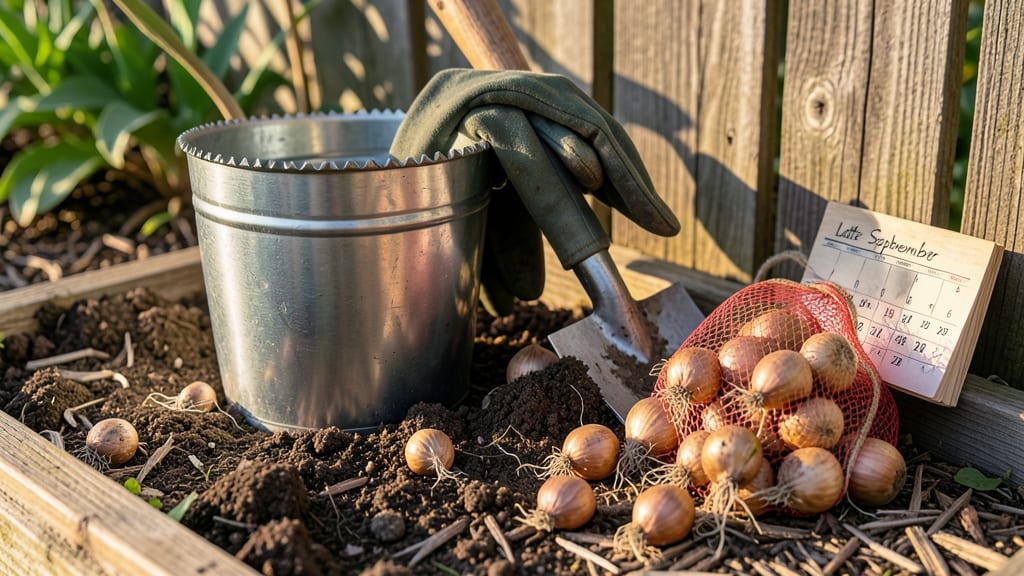
If you’ve ever wondered when to plant tulips in Minnesota, timing is the secret to those show-stopping spring blooms—or the reason they never appear at all.
The 4-week window between September and October isn’t just arbitrary; it’s when your tulip bulbs need to root before the ground freezes, ensuring they survive Zone 4A winters and burst into color next May.
Here’s the catch: Plant too early, and your bulbs might rot in warm soil; too late, and they’ll fail to establish roots before frost locks them in.
I’ll walk you through the exact dates, soil prep tricks, and how to adjust for Minnesota’s unpredictable frost cycles—so you can confidently dig in and set the stage for next year’s garden highlights.
Minnesota’s climate demands a little extra care, from choosing the right bulb varieties to spacing them correctly for snow survival. Whether you’re a first-time gardener or a seasoned pro, these insights will help you avoid common mistakes and get the most out of your 🌷 tulip investment.
Let’s make sure your bulbs are ready for winter—and your garden for spring.
Ready to turn your yard into a springtime spectacle? The key lies in the details, and I’ve got the step-by-step guide to make it happen. Let’s get those tulips in the ground the right way—so you can enjoy the results for years to come.
Minnesota’s zone 4A tulip planting deadline: exact dates & frost risks
In Minnesota’s Zone 4A, timing your tulip bulbs is critical—plant too early, and they’ll rot; too late, and they won’t establish roots before winter. The ideal window is 4-6 weeks before the ground freezes, typically between mid-September and mid-October.
This ensures bulbs root deeply but don’t sprout before frost.
First frost in Minnesota usually arrives mid-October, but this varies yearly. Check the National Weather Service or local University of Minnesota Extension for your region’s frost dates. Northern Minnesota may freeze earlier, while the Twin Cities often have a 1-2 week delay.
Soil temperature is key—tulips need 40-50°F soil to root but won’t tolerate freezing ground. Use a soil thermometer or wait until daytime temps stay below 60°F consistently. Planting in well-draining soil prevents rot, especially in soggy fall conditions.
Miss the fall window? You can plant tulips in early spring (March-April), but blooms will arrive 2-3 weeks later than fall-planted bulbs. Spring planting is riskier in Zone 4A due to late frost threats and shorter growing seasons.
| Timing Factor | Zone 4A Specification | Actionable Tip |
|---|---|---|
| First Frost Date | Mid-October (varies) | Plant 4-6 weeks before first frost |
| Ideal Planting Window | Mid-September to mid-October | Aim for late September in Twin Cities |
| Soil Temperature | 40-50°F | Use a soil thermometer to confirm |
| Spring Planting Risk | Late frost damage | Only plant if no frost predicted for 2 weeks |
| Northern MN Adjustment | 1-2 weeks earlier | Plant by early September in Duluth |
For container gardening, plant tulips in well-draining pots with a sand/perlite mix to prevent waterlogging. Containers freeze faster than ground soil, so plant 2-3 weeks earlier than outdoor beds. Use black pots to absorb heat and delay freezing.
Watch for mold or soft bulbs after planting—this signals rot from poor drainage or soggy soil. If your yard has clay soil, amend with compost or coarse sand to improve aeration. Raised beds are ideal for Minnesota gardeners with heavy soil.
Pro tip: Mark your tulip beds with stakes or flags after planting. Snow cover protects bulbs, but heavy mulch (4-6 inches of straw) insulates roots in unpredictable freeze-thaw cycles. Remove mulch in early spring to prevent rot.
Local tip: Minnesota’s University of Minnesota Extension offers free frost date alerts via email. Sign up to get real-time planting reminders tailored to your county. Their Zone 4A planting calendar is a game-changer for first-time gardeners.
Remember, patience pays off. Tulips planted in fall will reward you with bold blooms in late May, just as Minnesota’s snow melts. With the right timing, your garden will burst with color—worth the wait! 🌷
Minnesota’s zone 4A tulip planting deadline: exact dates & frost risks
Minnesota’s Zone 4A climate creates a tight window for planting tulips—just 4-6 weeks before the ground freezes. Typically, this means aiming for mid-September to early October, but exact dates vary yearly based on frost forecasts.
The University of Minnesota Extension recommends checking your local first-frost date (usually mid-October) and counting backward to determine your deadline.
For example, if frost hits October 15th, your last planting day is September 15th. Planting after this window risks bulbs failing to root before winter, while planting too early (before August) can lead to premature sprouting and rot in warm soil.
Timing is everything—get it wrong, and your 🌷 tulips may never bloom.
🌱 Minnesota Tulip Planting Timeline
| Stage | Action | Key Notes |
|---|---|---|
| Soil Prep | Amend with sand/perlite for drainage | Avoid soggy soil; test pH (6.0-7.0 ideal) |
| Planting Window | Mid-September to early October | 4-6 weeks before first frost |
| Depth | 6-8 inches deep | 3x bulb height; prevents frost heave |
| Spacing | 4-6 inches apart | Allows airflow; reduces disease risk |
| Post-Planting | Water deeply; mulch after frost | Mulch with straw (2-3 inches) in late fall |
Minnesota’s regional microclimates also play a role. The Twin Cities area (Zone 4B) may have a slightly later frost date than northern Minnesota (Zone 3B-4A), so adjust accordingly. For example, in Duluth or Brainerd, aim for planting by early September to account for earlier frosts.
Always check the MN State Climatology Office for updates—last year’s frost date isn’t always this year’s.
Another critical factor is soil temperature. Tulip bulbs need soil to cool to 40-50°F before planting. If your soil stays warm past mid-September, bulbs may sprout prematurely and rot.
To test, use a soil thermometer or dig a small hole—if it feels warm to the touch, wait a few days before planting. Patience here prevents wasted bulbs.
Don’t forget to account for snow cover, which acts as insulation. In heavy-snow years (like 2022-2023), bulbs planted in early October survived just fine, while late plantings in milder winters struggled.
If you’re unsure, err on the earlier side—bulbs planted too late won’t root in time, and you’ll miss next spring’s blooms. Mark your calendar now: September 15th is your target deadline for most of Minnesota.
Once planted, water thoroughly to settle the soil and encourage root growth. Avoid overwatering, though—soggy soil leads to rot. After the ground freezes, add a 2-3 inch layer of straw mulch to protect bulbs from freeze-thaw cycles.
With the right timing and care, your 🌷 tulips will reward you with vibrant spring color for years to come.