
Plants
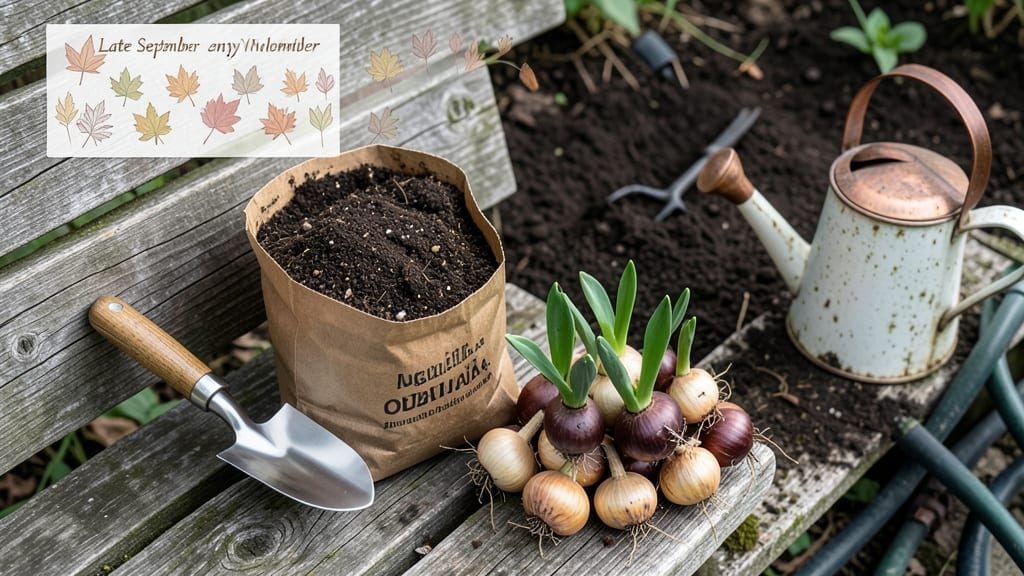
If you’ve ever dreamed of waking up to a garden bursting with 🌷 tulips next spring, knowing when do you plant tulip bulbs in Alabama is the most important step—especially in the state’s warm climate.
Planting too early risks rot, while waiting too late might mean missing the ideal window entirely. For gardeners in zones 7b-8a, timing can mean the difference between a stunning display and disappointment.
Alabama’s fall season offers a narrow but critical window for tulip planting, typically between October and November, when soil temperatures cool but before the first hard frost. This timing ensures bulbs establish strong roots while avoiding the heat and humidity of late summer.
The key is to plant 6-8 weeks before frost, giving them enough time to settle in without overheating.
I’ve spent years perfecting my own tulip-growing routine here, and the secrets aren’t just about the calendar—they’re about preparing the soil, choosing the right varieties, and even adjusting for Alabama’s unpredictable weather.
Whether you’re a first-time gardener or a seasoned pro, these insights will help you get it right the first time.
Ready to transform your yard into a springtime paradise? Let’s dive into the exact steps, zone-specific tips, and pro tricks to ensure your tulip bulbs thrive—and bloom—just as you’ve hoped. Your future garden is waiting.
Alabama’s best tulip planting months by USDA Zone (with exact dates)
Alabama’s USDA Zones 7b-8a create a unique challenge for tulip growers—too early, and bulbs rot in warm soil; too late, and they won’t establish roots before winter. The ideal window is 6-8 weeks before your first hard frost, but Alabama’s unpredictable weather means you’ll need flexibility.
Most of Alabama falls between Zone 7b (average first frost: November 15) and Zone 8a (average first frost: November 22). For northern Alabama (Huntsville, Decatur), aim for mid-October planting, while southern regions (Mobile, Dothan) can wait until early November.
Soil temperatures should be below 60°F but not frozen.
Pro Tip: Check your local Alabama Cooperative Extension frost dates—some years, late October frosts can push planting back by 2 weeks.
| USDA Zone | First Frost Date | Best Planting Window | Soil Temp Threshold | Key Consideration |
|---|---|---|---|---|
| 7b (North AL) | Nov 15-20 | Oct 15-31 | Below 60°F | Earlier frosts possible |
| 8a (Central/South AL) | Nov 22-Dec 5 | Nov 1-15 | Below 60°F | Warmer soil longer |
| All Zones | N/A | Last chance: Dec 1 | Frozen ground | Risk of bulb damage |
For Zone 7b gardeners, I recommend starting in late October—this gives bulbs time to root before cold sets in. In Zone 8a, you can push to early November without risking rot. The key is planting after soil temperatures drop below 60°F but before ground freezes.
Use a soil thermometer to check—if temps are above 60°F, wait another week. Southern Alabama’s longer growing season means you can sometimes plant into early December, but bulbs may need extra mulch protection.
One common mistake? Planting in September. While possible in cooler years, Alabama’s summer heat often keeps soils too warm, causing bulbs to sprout prematurely and rot. Wait until October unless you’re in a high-elevation area like Lookout Mountain.
After planting, mark your tulip beds with stakes—Alabama’s mild winters can make it hard to locate where you planted. This also helps track bloom times for next year’s planning.
For container growing, follow the same timeline but use well-draining pots and plant bulbs slightly shallower (4-6 inches deep vs. 6-8 inches in ground). Move containers to a protected spot if freezing temps arrive early.
Remember: Alabama’s humidity means bulbs need excellent drainage. Amend heavy clay soils with compost or sand to prevent waterlogging during our winter rains. A 2-inch layer of mulch after planting helps regulate soil temps and retain moisture.
🌷
Alabama’s best tulip planting months by USDA Zone (with exact dates)
Alabama’s climate—warm winters and humid summers—means tulip bulbs need precise timing to thrive. Most of the state falls in USDA zones 7b-8a, where the ideal window is between mid-October and early November.
This aligns with soil temperatures dropping below 60°F, signaling bulbs it’s time to root without overheating.
For northern Alabama (Zone 7b), aim for planting between October 15 and November 1. Southern areas (Zone 8a) can extend the window slightly later, up to November 15, thanks to milder winters.
The key is to plant 6-8 weeks before the first hard frost, which typically hits mid-November in most regions.
Here’s what you need to know about soil temperature thresholds and frost dates to avoid common mistakes:
| USDA Zone | Best Planting Window | Soil Temp Threshold | First Frost Date |
|---|---|---|---|
| 7b (North AL) | Mid-October – November 1 | Below 60°F | Mid-November |
| 8a (South AL) | Late October – November 15 | Below 65°F | Late November |
Planting too early in Alabama’s heat can cause bulb rot, while waiting too late risks bulbs not establishing roots before winter. I’ve found that early November is the sweet spot for most gardeners—it balances root growth and frost protection.
For extra security, use a soil thermometer to confirm temperatures are ideal.
If you miss the fall window, don’t despair! Tulip bulbs can be pre-chilled for 10-12 weeks in the fridge (at 35-40°F) before planting in December or even January.
This mimics the natural winter dormancy period, ensuring they’ll still bloom on time. Just be sure to plant them deeper (8 inches) for added frost protection.
Pro tip: Mark your calendar for October 20-30—this is peak planting time in most of Alabama. Bulbs planted during this window will reward you with vibrant spring blooms from March to May, depending on the variety.
And remember, well-draining soil is non-negotiable—Alabama’s clay-heavy soils can suffocate bulbs if not amended with compost or sand.