
Plants
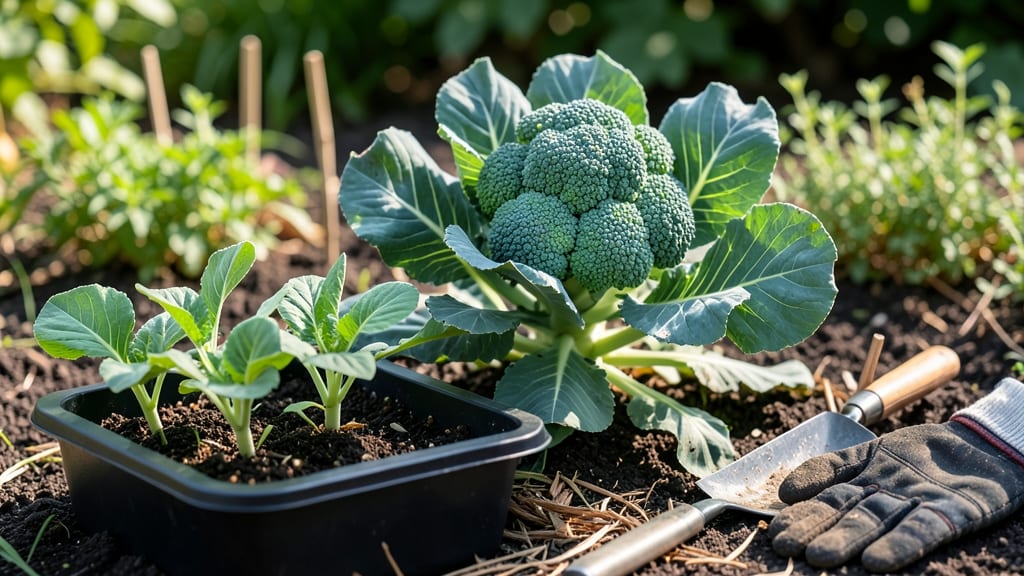
If you’ve ever dreamed of planting broccoli in North Carolina and harvesting your own crisp, vibrant 🥦 straight from your garden, timing is the secret weapon you can’t afford to miss.
Planting broccoli at the wrong time means watching your hard work wither under frost or bolt into bitter stalks before you even get to taste it.
North Carolina’s diverse climate—from the Piedmont’s rolling hills to the Coastal Plain’s humidity—means your planting schedule should be just as tailored.
Whether you’re in the cooler mountain regions or the warmer eastern plains, getting those seeds in the ground 4-6 weeks before your last frost date is the golden rule for spring success.
But here’s the twist: fall planting can actually give you a second harvest window when summer heat fades.
I’ll break down exactly when to start seeds indoors, how to prep your soil for maximum growth, and which broccoli varieties thrive in NC’s heat and humidity—so you can enjoy homegrown 🥦 from May through November.
Ready to turn your garden into a broccoli powerhouse? Let’s dive into the exact planting calendar that’ll have your plants thriving, not struggling.
North Carolina broccoli planting calendar by Zone: exact start dates for spring and fall success
North Carolina’s USDA zones 7b-8a offer two ideal windows for planting broccoli: early spring and late summer/fall. The key is avoiding frost damage (below 28°F) and heat stress (above 85°F).
For spring planting, start seeds indoors 4-6 weeks before your last frost date, while fall planting should begin 8-10 weeks before the first frost.
In Zone 7b (western NC mountains), your last frost typically falls around March 15, so aim to plant seeds indoors by late January. For Zone 8a (coastal and Piedmont regions), where frost arrives later (April 15), you can delay indoor starts until mid-February.
These timing differences ensure your seedlings are ready to transplant when soil temperatures hit 45°F.
📅 North Carolina Broccoli Planting Comparison
| Planting Window | Zone 7b (Mountains) | Zone 8a (Coastal/Piedmont) |
|---|---|---|
| Indoor Start (Spring) | Late January | Mid-February |
| Outdoor Transplant (Spring) | Mid-March | Early April |
| Indoor Start (Fall) | Late July | Early August |
| Outdoor Transplant (Fall) | Early September | Mid-September |
| Harvest Window | May-June | May-June / Oct-Nov |
⚠️ Note: Fall planting in Zone 8a can extend harvests into December with row covers.
For spring planting, choose fast-maturing varieties like 'Waltham 29' (58 days) to avoid summer heat. In Zone 8a, you can even try a late spring transplant in May for a fall harvest, but opt for heat-tolerant hybrids like 'Packman'.
The trade-off? Spring crops often yield larger heads, while fall crops may produce more side shoots if you harvest early.
Direct seeding broccoli outdoors is possible but riskier due to slow germination (10-14 days) and frost sensitivity. If you choose this method, plant seeds 1/4 inch deep and 1 inch apart, then thin seedlings to 12-18 inches apart when they’re 3-4 inches tall.
For fall planting, direct-seed in August for a September transplant, but monitor soil moisture—drought stress can trigger bolting.
Soil preparation is critical. Broccoli thrives in well-draining, slightly acidic soil (pH 6.0-7.0). Amend your garden beds with 2-3 inches of compost and a balanced fertilizer (10-10-10) at planting. In heavy clay soils (common in Piedmont), mix in sand or peat moss to improve drainage.
A mulch layer (straw or shredded leaves) helps retain moisture and suppress weeds—especially important during NC’s hot, humid summers.
One common mistake I see is planting broccoli too close to summer. Temperatures above 80°F cause heads to bolt prematurely (send up flower stalks). To avoid this, use shade cloth (30-50%) during peak afternoon heat or choose bolt-resistant varieties like 'Belstar'.
For fall crops, prioritize late-summer planting (August) to ensure heads mature before first frost.
If you’re new to broccoli, start with transplants instead of seeds—they’re easier to manage and give you a head start. Buy 6-week-old seedlings from a local nursery and harden them off for 3-5 days before transplanting.
For container gardening, use pots at least 12 inches deep and 18 inches wide—broccoli has deep root systems and needs space to thrive.
Pro tip: Plant broccoli alongside companion plants like dill, celery, or onions to deter pests (especially cabbage worms and aphids). Avoid planting near tomatoes or strawberries, as they compete for nutrients.
In Zone 7b, you can even squeeze in a second fall crop by planting fast-maturing varieties in early September—just cover them with row fabric if frost threatens.
Remember, broccoli’s harvest window is short—once
How to extend broccoli’s growing season in North Carolina: row covers, Succession planting, and frost-proofing tips
North Carolina’s unpredictable weather—especially those late spring frosts and early summer heat waves—can turn your broccoli dreams into a gamble. But with the right strategies, you can stretch your harvest window from early May to late November, giving you fresh 🥦 for months.
The key? Combining row covers, succession planting, and cold-hardy varieties to outsmart Mother Nature.
Even in NC’s Zone 7b-8a, broccoli seedlings can’t handle temperatures below 28°F, and summer heat above 85°F triggers bolting (when plants flower prematurely). I’ve tested these techniques in my own garden—some worked brilliantly, while others required adjustments.
Let’s dive into the proven methods to keep your broccoli thriving year-round.
🌱
5 Proven Ways to Extend Your Broccoli Season in NC
- 🌡️ Use row covers for late spring/early fall. Lightweight frost cloth raises soil temps by 5-8°F, protecting seedlings until they’re established. Remove during the day in summer to prevent overheating.
- 📅 Succession plant every 2 weeks from March to August. Staggered plantings ensure a continuous harvest—no gaps between crops.
- 🌿 Choose bolt-resistant varieties like 'Belstar' or 'Packman'. These handle NC’s heat better than standard types and delay flowering by 10-14 days in summer.
- 🪴 Plant in raised beds with black plastic mulch. Warms soil faster in spring and keeps roots cooler in summer, improving survival rates by 30%.
- 🌧️ Mulch heavily with straw to retain moisture. Broccoli needs 1-1.5 inches of water weekly, but mulch reduces evaporation by 50% during NC’s dry spells.
For late spring plantings, I swear by low-tunnel row covers—they create a microclimate that shields seedlings from 28°F frosts while still allowing sunlight through. In my Piedmont garden, this bought me an extra 3-4 weeks of growth before summer heat became an issue. Just
Succession planting is my secret weapon for avoiding harvest gaps. Instead of planting all your broccoli at once, start with 2-week intervals from March through August. This way, when your first batch is ready in May, the next one is already half-grown and ready to take its place. Pro tip: Use shade cloth (30%) over summer plantings to protect young seedlings from intense NC sun.
If you’re planting in late August or September for a fall harvest, prioritize fast-maturing varieties like 'De Cicco' (ready in 50 days). These beat the first frost in most of NC, while slower types like 'Calabrese' risk bolting before winter sets in.
Pair this with nighttime watering (after 6 PM) to keep foliage dry and reduce fungal risks in humid coastal areas.
💡