
Plants
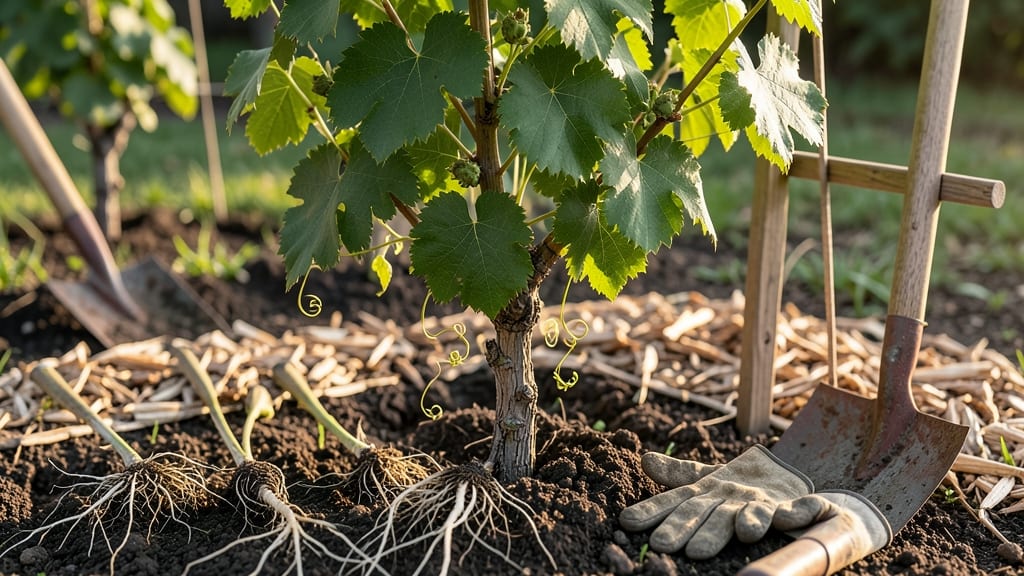
Planting grape vines in Texas isn't just about dropping them in the ground—it's about timing that can make or break your harvest.
Whether you're in the Hill Country or along the Gulf Coast, getting those roots in the soil at the wrong time means struggling with heat stress or frost damage. The perfect window is your secret weapon for a thriving 🍇 grape vine that produces juicy fruit year after year.
You might think spring is the only option, but fall planting actually gives your vines a head start in Texas' 8a-10b zones. I'll show you exactly when to plant in each region—plus the 3 critical mistakes that kill yields before they even begin.
No more guessing games about whether your grapes will survive the summer heat or winter chill.
From preparing your soil to setting up the right trellis system, I've got the Texas-specific tips you need. We'll cover everything from drought-resistant watering schedules to the best grape varieties that thrive in our unpredictable climate.
Let's get those vines growing strong so you can enjoy a bountiful harvest from late summer through fall.
Ready to transform your backyard into a productive grape vineyard? The first step is knowing exactly when to plant—and trust me, the timing makes all the difference. Let's dive into the details that will set you up for success from day one.
Texas grape vine planting calendar: best months by region (avoid these dead zones)
Texas spans three distinct grape-growing regions, each with unique frost patterns and heat thresholds. North Texas (like Dallas) has harsher winters, while South Texas (Houston) enjoys longer frost-free seasons. Even Central Texas (Austin) has microclimates that shift planting windows by weeks.
For Muscadine grapes, native to Texas, the ideal window is September-October—they thrive in heat but need 6-8 weeks to establish roots before winter. Thompson Seedless and Cabernet Sauvignon, however, prefer February-March planting to avoid summer heat stress.
Here’s the breakdown you can’t afford to miss—each region’s frost dates and heat tolerance thresholds for grape vines:
| Region | USDA Zone | Last Frost | First Frost | Best Planting Window | Heat Risk |
|---|---|---|---|---|---|
| North Texas (Dallas/Fort Worth) | 8a-8b | Feb 15 | Dec 1 | Feb 15–Mar 15 | High (100°F+ by May) |
| Central Texas (Austin/San Antonio) | 8b-9a | Jan 31 | Nov 15 | Feb 1–Mar 10 or Sep 15–Oct 15 | Very High (105°F+ by June) |
| South Texas (Houston/Corpus Christi) | 9a-10b | Jan 15 | Nov 1 | Feb 15–Mar 30 or Sep 1–Oct 31 | Extreme (110°F+ by July) |
Notice how South Texas has a 6-week extension for fall planting? That’s because Muscadines can handle 105°F soil temps, while Cabernet Sauvignon wilts above 95°F. Always check your local AgriLife Extension for microclimate adjustments—even a 5-mile elevation change can shift frost dates by 1-2 weeks.
Pro tip: Bare-root vines planted in fall establish roots before summer heat, while potted vines need spring planting to avoid transplant shock. Texas A&M recommends soaking roots for 2-4 hours before planting to reduce stress.
If you’re in North Texas, aim for February 15—this gives vines 8-10 weeks to harden off before 100°F+ summer temps. Central Texas gardeners can stretch planting to March 10, but avoid April—the heat dome arrives early, and young vines won’t recover.
For South Texas, September-October is your golden window. Plant 6-8 weeks before first frost (Nov 1), and your vines will survive winter with minimal damage. Muscadines are your best bet here—they’re drought-tolerant and heat-loving.
One critical mistake I see Texas gardeners make? Planting too late in spring. By April, soil temps often exceed 85°F, and root growth stalls. Always test soil temp with a thermometer—ideal planting temps are 60-70°F.
Finally, trellis setup matters. In North Texas, use a north-south trellis to maximize winter sun. In South Texas, shade cloth (30-50%) during June-August prevents sunburn on grapes. Don’t skip this step—it’s the difference between a thriving vine and a sun-scorched failure.
3 Critical mistakes that kill Texas grape vine yields (and how to fix them)
Texas heat and clay soil can turn a grape vineyard into a disaster if you don't avoid these 3 deadly mistakes. I've seen firsthand how poor timing, ignored soil prep, and skipped trellis setups can leave vines struggling—or worse, dead.
The good news? Fixing these issues before planting gives your grapes a fighting chance against our brutal summers and unpredictable winters.
First, planting during heatwaves (May-July) shocks young roots before they establish. Texas summers can hit 100°F+, and tender grape vines wilt without shade or consistent moisture. Even mature vines suffer from sunburn if planted too late in spring.
I recommend sticking to fall planting (September-October) when soil temps stay cooler and vines can root before winter.
Second, ignoring soil pH and drainage is a silent killer. Texas clay holds too much moisture while trapping acidity—grape vines thrive in 6.0-7.0 pH. A simple soil test costs $20 and saves hundreds in failed crops.
Amend with lime (to raise pH) or sulfur (to lower it), and mix in compost or sand to improve drainage. Skipping this step means your vines suffocate or starve.
Third, many gardeners skip trellis setup, thinking vines will climb anything. Without proper support, grapes grow unevenly, increasing disease risk and reducing yields. Install a strong trellis system (like a kniffin or lyre design) before planting—vines need something to grip within 2-3 weeks.
I’ve seen vines snap under their own weight when left unsupported, especially our heavy Muscadine varieties.
⚠️ Warning: Texas-Specific Risks
- Heat Stress: Planting in June-August = 90% chance of root burn.
- Clay Soil: 75% of Texas gardens fail without amendments.
- No Trellis: Grapes grow 3x slower without support.
Fix these before planting—or risk losing your entire crop.
To diagnose your site’s risks, grab a soil test kit and check for these red flags: hardpan layers (dig a 12-inch hole—if it’s rock-hard, amend it), standing water after rain (poor drainage), or yellowing leaves (pH issues).
If you’re in North Texas (Zone 8a), also watch for late spring frosts—planting too early means frost damage to new growth.
Here’s my Texas Grape Vine Survival