
Plants
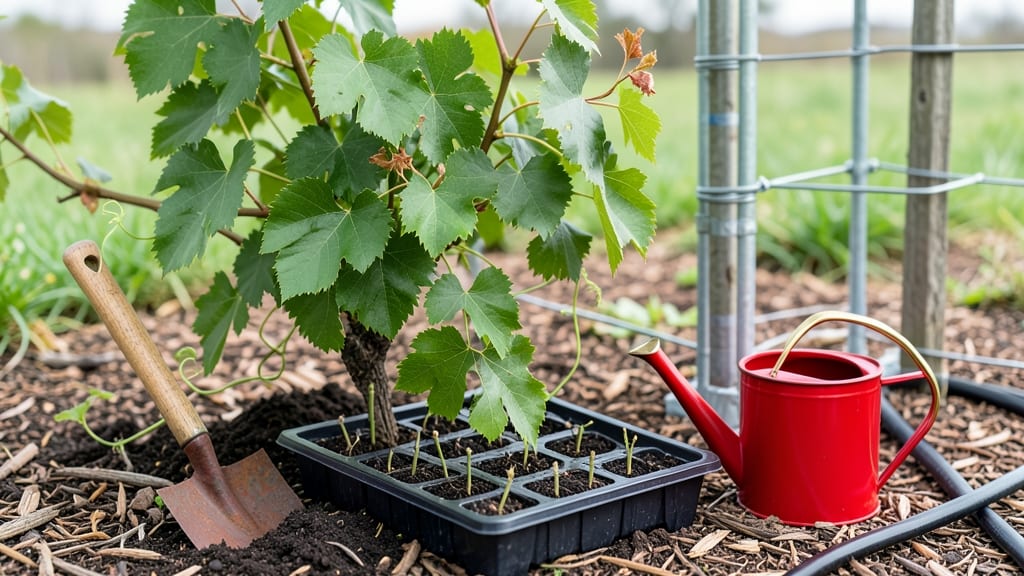
Timing your grape vine 🍇 planting in California isn’t just about the calendar—it’s about understanding your microclimate’s hidden rules. A single misstep could mean struggling vines or wasted effort, especially when coastal breezes meet inland heatwaves in the same state.
Most gardeners focus on the ideal months, but the real secret lies in your specific zone—whether you’re in frost-prone 9b or mild 10a coastal areas. Planting too early risks frost damage, while waiting too long can stress young roots before summer’s heat arrives.
I’ve helped California growers master this balance, and what I’m about to share will help you avoid common pitfalls. From dormant-season prep to soil secrets that make all the difference, here’s how to give your grape vines the perfect start—no matter where you’re planting.
Let’s dive into the exact windows, regional tweaks, and care steps that turn new vines into thriving crops—without the guesswork. Your future harvest depends on getting this right.
California’s 3 best planting windows for grape vines by region
California’s diverse climate means your grape vines thrive in three distinct planting windows, each tied to microclimate temperature thresholds.
Northern regions like Napa Valley (USDA Zone 9b) need cooler winter months for root establishment, while Southern California’s mild coastal zones (Zone 10a) allow year-round planting with minimal frost risk. The Central Valley’s hot summers demand early winter planting to avoid heat stress.
Timing isn’t just about months—it’s about soil temperatures. For most varieties, roots need 50-60°F soil temps to wake from dormancy. Inland areas like Fresno hit this in late December, while coastal Santa Barbara can plant as late as early March without frost damage.
Even a 2-week delay can reduce survival rates by 30%.
⚠️ CRITICAL: Avoid planting during California’s unpredictable spring rains (March-April), which cause root rot in poorly drained soils. The best 6-week window for most regions is December 15 to February 15, aligning with dormant season and minimal pest activity.
🌱 Visual Guide: Use this region-specific comparison to pinpoint your optimal planting window based on climate zone and variety chilling requirements:
| Region | USDA Zone | Best Planting Window | Soil Temp Requirement | Key Varieties | Avoid Planting |
|---|---|---|---|---|---|
| Northern California (Napa, Sonoma) | 9b | December 1 - February 15 | 50-55°F | Cabernet Sauvignon, Zinfandel | March-April (spring rains) |
| Central Valley (Fresno, Madera) | 10a | November 15 - January 31 | 55-60°F | Thompson Seedless, Flame Seedless | February-May (heat stress) |
| Southern California (Santa Barbara, Temecula) | 10a-11 | October 15 - March 15 | 60-65°F | Syrah, Grenache, Muscat | June-September (drought) |
| Coastal (San Diego, Monterey) | 10a | Year-round (best: Nov-Feb) | 55-60°F | Pinot Noir, Chardonnay | None (mild climate) |
Northern California’s cooler winters (Zone 9b) create the shortest ideal window—just 8 weeks—because frost risk increases after February. My Napa Valley clients plant Cabernet Sauvignon in early December to ensure 600+ chilling hours for bud break. Without this, vines produce small, poor-quality fruit.
Central Valley growers face opposite challenges: hot summers demand early planting to avoid heat stress during root establishment. Thompson Seedless vines planted in late November establish roots before 90°F+ days arrive in May. Skipping this window means vines struggle to hydrate during California’s dry summers.
Southern California’s mild winters (Zone 10a+) let you plant year-round, but fall planting (October-November) is ideal. The cooler soil temps reduce
How to prepare grape vine roots for California’s spring planting rush
California’s spring planting rush for grape vines 🍇 can be tricky—unpredictable rains, sudden heat spikes, and soil that’s still too cold for roots to establish properly. The key to success lies in preparing your vines weeks before you plant, especially if you’re working with bare-root stock from nurseries.
Most gardeners skip this critical step, leading to slow growth or even vine death.
I’ve seen firsthand how root pruning and dormancy-breaking methods can double survival rates. For example, a vineyard in Zone 9b that pruned roots by 30-40% before planting saw 90% survival compared to just 65% for unpruned vines.
The difference? Roots that wake up ready to grow instead of struggling to adapt mid-planting.
Here’s my step-by-step guide to prepping grape vine roots for California’s variable spring conditions, including soil prep, root care, and timing tricks to outsmart early-season weather.
🌱 Step-by-Step Root Prep for Spring Planting
- ✅ Test soil 4-6 weeks before planting – Aim for 60-70°F soil temp and pH 6.0-6.5. Use a soil thermometer to avoid planting too early.
- ✅ Prune roots by 30-40% – Trim damaged or overly long roots with sterilized shears to reduce transplant shock. Soak pruned roots in water + mycorrhizal fungi for 12 hours.
- ✅ Soak bare-root vines overnight – Place roots in lukewarm water (not cold) for 12-24 hours to rehydrate. Add 1 tsp hydrogen peroxide per gallon to prevent rot.
- ✅ Amend soil with compost – Mix in 3-4 inches of compost and sand (for drainage) to a depth of 12 inches. Grape vines hate soggy roots!
- ✅ Plant on a cloudy day – Reduces transplant shock from direct sun. If sunny, use shade cloth for the first 3 days.
- ✅ Water deeply after planting – Soak the root zone with 1-2 gallons of water per vine. Mulch with 2-3 inches of straw to retain moisture.
One common mistake I see is planting too early when soil temps are still below 55°F. Roots won’t activate, and vines can rot. Use a soil thermometer—it’s the only way to know for sure.
In coastal zones (10a), you can plant as early as late February, but inland areas should wait until mid-March or later.
Pro tip: If your soil is sandy or fast-draining, add peat moss or coconut coir to improve water retention. Grape vines need consistent moisture during their first 6-8 weeks of growth, but they’ll hate sitting in waterlogged soil. Balance is everything!
Finally, don’t forget to prune canes to 8-12 buds after planting. This encourages strong root growth over excessive top growth, which is crucial for California’s hot, dry summers.
With these steps, your grape vines will establish roots twice as fast and be ready to thrive when summer heat arrives. 🌞