
Planting
Knowing when to plant a fall garden in South Texas can mean the difference between a thriving harvest and wasted effort. The key isn't just picking the right seeds—it's understanding your local microclimate, whether you're in the Rio Grande Valley or the Hill Country.
With USDA Zones 9a-10a, you've got a longer growing season than most regions, but that doesn't mean you can plant anytime. Starting too early means battling summer's last heatwave, while waiting too long risks missing the sweet spot before the first frost sneaks in around December.
I've grown Fall Garden Vegetables (General) 🌱 here for years, and the secret is timing: August through October is your golden window. But which crops thrive in this heat, and how do you adjust for drought or unexpected rains? Let me show you the exact strategies that work.
You'll learn the heat-tolerant varieties that actually perform, soil prep hacks for South Texas' sandy soils, and how to stretch your harvest through winter. No more guesswork—just a garden that delivers from October to December.
South Texas fall planting calendar: exact start dates by vegetable type
South Texas’ long growing season and mild winters mean fall gardens can be just as productive as spring—but only if you plant at the right time. Unlike northern climates, our USDA Zones 9a-10a allow for a 6-8 week window before potential frost (yes, even in Zone 9a!).
The key? Start planting heat-tolerant crops in late July-August and shift to cool-season veggies by mid-September.
Your planting timeline hinges on two critical factors: soil temperature (ideal for cool crops is 60-70°F) and first frost dates. In South Texas, frost rarely hits before December 1 in Zone 9a, but Hill Country areas can see earlier chills.
The Rio Grande Valley, meanwhile, might never frost—so focus there on heat-loving crops like okra and sweet potatoes.
Here’s your actionable calendar for fall planting, tailored to South Texas’ microclimates. Use these dates as your starting point, then adjust based on your local last frost date (check Texas A&M AgriLife for your county).
Pro tip: Succession plant fast-growing crops like radishes and bush beans every 2-3 weeks to maximize your harvest. For example, sow a second batch of radishes in early October to enjoy fresh roots before holiday cooking (if you’re feeling festive!).
If you’re in the Rio Grande Valley, you can push these dates 2-3 weeks later thanks to warmer microclimates. But Hill Country gardeners should start cool-season crops by mid-September to avoid early frosts. Always check your local first frost date—even in South Texas, surprises happen!
For container gardening, adjust these dates 1-
Heat-tolerant vs. cool-season crops: what actually thrives in South Texas fall gardens
South Texas’ fall garden success hinges on choosing the right crops.
The Rio Grande Valley and Hill Country have different microclimates, but both demand crops that handle lingering summer heat or early winter chills. Heat-tolerant varieties like okra and sweet potatoes can handle August plantings, while cool-season crops like kale and broccoli need September starts to avoid frost.
I’ve tested these top performers in my garden: ‘Black Beauty’ okra thrives in 90°F+ soil, while ‘Winterbor’ kale sweats through light frosts. The key? Plant heat-lovers early and cool-lovers late. Here’s how to decide which crops fit your timeline—and your taste buds.
Heat-Tolerant vs. Cool-Season Crops
Pros & Cons- ✅ Pros: Plant in August, harvest through October
- ✅ Pros: Thrives in 90°F+ soil, drought-resistant
- ✅ Pros: Fewer pests (squash bugs hate okra!)
- ❌ Cons: Stops producing with first frost
- ❌ Cons: Needs deep watering in sandy soil
- ✅ Pros: Harvests extend to December in Zone 10a
- ✅ Pros: Tolerates light frosts (Zone 9a)
- ✅ Pros: Nutrient-dense greens for winter
- ❌ Cons: Wilts in 90°F+ soil if planted too early
- ❌ Cons: Pests like aphids thrive in cool weather
For borderline crops like tomatoes, the risk-reward is real. Plant heat-set varieties (e.g., ‘Celebrity’) in early August—they’ll produce until October’s first chill. But if you wait until September, opt for cool-tolerant types like ‘Mountain Merit’ to stretch harvests into November.
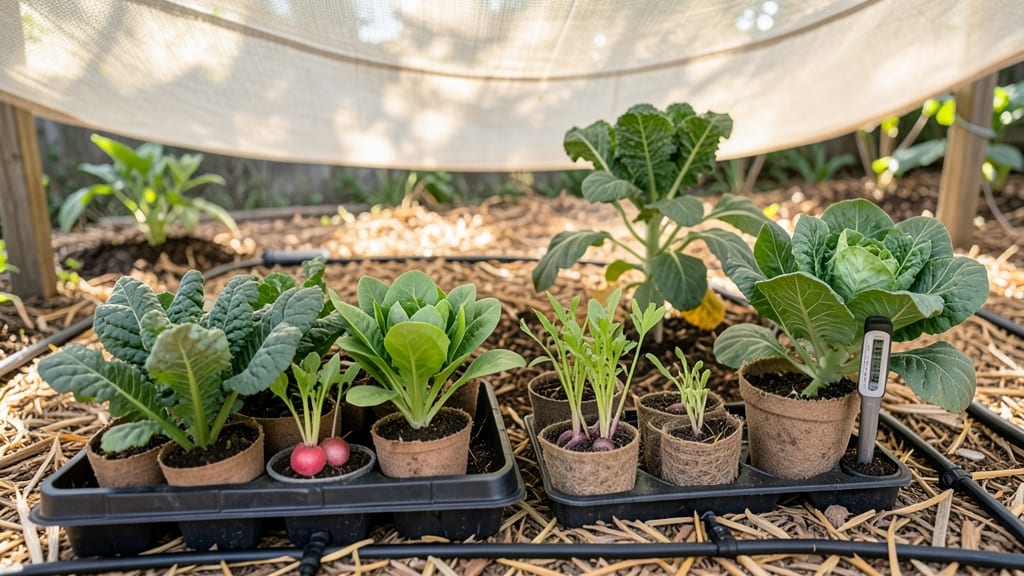
My fall garden hack: Use shade cloth (30-50%) for early plantings of cool-season crops. It buys you 2-3 weeks of buffer against summer’s last heat spikes. Pair this with drip irrigation to keep roots cool and moist—critical for seedlings battling both heat and drought.
Don’t overlook herbs and greens like cilantro and parsley. They bolt in heat but thrive in fall’s cooler temps. Plant them in partial shade if August temps linger above 90°F. By October, move them to full sun for maximum growth before winter sets in.
Remember: South Texas’ fall garden isn’t one-size-fits-all. Zone 9a’s first frost might hit December 1, while Zone 10a stays frost-free. Adjust your planting dates accordingly—late September is your last chance for cool-season crops in cooler areas.