
Plants
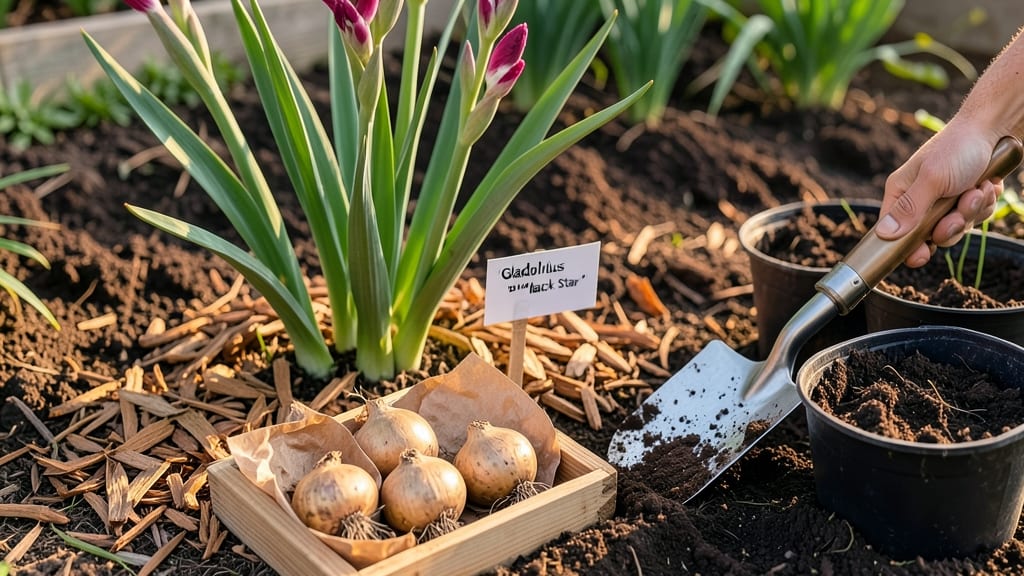
Timing when to plant gladiolus bulbs in NC just right is the secret to those showstopping summer blooms you’ve been dreaming of. Skip the guesswork, and you’ll miss out on vibrant July-September color—when your neighbors will be green with envy over your garden’s drama.
Here’s the deal: North Carolina’s USDA zones 7a-8b create a tricky balance between early frost risks and scorching summer heat. Plant too soon, and your corms rot in cold soil; too late, and you’ll be chasing blooms when the heat zaps their energy.
The March-April window is your sweet spot—but coastal areas and mountain valleys play by slightly different rules.
I’ll break down exactly when to tuck those 6-inch-deep corms into the soil for each microclimate, plus pro tips to stretch your blooming season. No more waiting months for flowers that never quite live up to the hype—just bold, healthy Gladiolus that steal the show.
Ready to turn your NC garden into a summer spectacle? Let’s get those planting dates locked in—because the right timing means the difference between wilted disappointment and showstopping color that lasts all season.
NC gladiolus planting calendar by USDA Zones 7a-8b: exact dates for peak blooms
Timing your gladiolus bulb planting in North Carolina depends on your USDA zone and local frost patterns. Zone 7a gardeners face late spring frosts until mid-April, while Zone 8b areas can plant earlier—sometimes as soon as February.
The key is waiting until soil temperatures reach 60°F (15°C) at a 4-inch depth.
For most of NC, the ideal planting window is March 15–April 15 in Zone 7a and February 20–March 30 in Zones 8a-8b. This timing ensures blooms arrive by summer’s peak (July–August) before heat stress sets in.
Use your local cooperative extension service frost data as a guide—many NC counties publish last frost dates annually.
🌺 Gladiolus Planting Calendar by NC Zone
| USDA Zone | Last Frost Date | Planting Window | Soil Temp Threshold | Bloom Time |
|---|---|---|---|---|
| 7a (Mountains) | Mid-April | March 20–April 15 | 60°F (15°C) | July–August |
| 8a (Piedmont) | Early April | March 1–March 30 | 55°F (13°C) | June–July |
| 8b (Coastal) | Late March | February 20–March 15 | 50°F (10°C) | May–June |
💡 Pro Tip: Use a soil thermometer to confirm readiness—gladiolus corms need warmth to sprout.
If you’re in Zone 8b (e.g., Wilmington or Fayetteville), early planting risks rot from lingering dampness. Instead, wait until soil warms to 55°F (13°C) or use a cold-frame to jumpstart growth. For Zone 7a areas (like Asheville), cover newly planted corms with straw mulch to protect against late frosts.
Adjust your schedule if your spring arrives early or late. Check the NC State Climate Office for real-time data—some years, Zone 8a can plant by February 15, while Zone 7a may need to wait until April 1.
Always plant 6–8 weeks before your area’s last frost date to ensure strong root establishment.
For fall blooms, aim for September 1–October 15 across all NC zones. This second planting takes advantage of cooler autumn temperatures and extends your gladiolus season into October. Just avoid planting too late—corms need 8–10 weeks to establish roots before winter.
Heatwaves in Zone 8b can stress gladiolus if planted too early. If temperatures spike above 90°F (32°C) before blooming, move pots to partial shade or use shade cloth to protect emerging spikes. Monitor your garden’s microclimate—urban areas heat up faster than rural spots.
Test your soil’s drainage before planting. Gladiolus corms rot in soggy conditions, so amend heavy clay with compost or sand. Aim for well-draining soil with a pH of 6.0–7.0. Work in aged compost at planting time to provide nutrients without overwhelming the corms.
After planting, water deeply to settle soil around the corms. Keep the area consistently moist but not waterlogged until shoots appear. Once growth starts, reduce watering slightly to encourage root strength. Mulch with straw or pine needles to retain moisture and suppress weeds.
🌱 Plan ahead for staggered plantings if you want continuous blooms. Space your plantings 2–3 weeks apart to enjoy flowers from June through September. This works especially well in Zone 8a–8b, where summers are long and hot.
Microclimate adjustments: coastal vs Piedmont vs mountain planting strategies
North Carolina’s three distinct microclimates—coastal, Piedmont, and mountain—create wildly different conditions for gladiolus planting. While the March-April window works statewide, each region has unique challenges: coastal humidity can rot corms, Piedmont heat may stress early plantings, and mountain frosts linger longer.
Let’s break down how to adjust your timing for each.
First, coastal NC (Zones 7b-8a) like Wilmington or Morehead City stays warmer longer, but high humidity and saturated soils demand earlier planting. Aim for February 15–March 1 to avoid soggy soil—wait until soil temps hit 60°F (15°C) at 4 inches deep. Use raised beds if your yard stays damp.
Piedmont regions (Zones 7a-7b), including Raleigh and Greensboro, face hotter summers and earlier heatwaves. Plant March 15–April 1 to let corms establish roots before June’s scorching temps. If you’re in an urban heat island, mulch heavily with straw to keep roots cool.
- Zone 7a (Asheville, Boone): Wait until April 1–15—late frosts (after April 10) are common. Plant after dogwood trees bloom as a natural cue.
- Soil stays cold longer: Test soil temps—wait until 55°F (13°C) at 4 inches deep. Use black plastic mulch to warm soil faster.
- Elevation matters: Above 3,000 ft? Push planting to May 1 to avoid frost. Shorter seasons mean dwarf varieties (2–3 ft tall) perform best.
For mountain gardeners, elevation changes everything. In Zone 7a (Asheville, Boone), hold off until April 1–15—frost risk drops sharply after April 10. Use dogwood blooms as your natural trigger: plant when their pink flowers fade.
Soil temps below 55°F (13°C)? Wait it out—corms won’t sprout until conditions improve.
Pro tip: Stagger plantings across microclimates for continuous blooms. Start with coastal plantings in late February, add Piedmont batches in mid-March, and finish with mountain corms in early April. This ensures flowers from June through September, no matter where you live in NC.
Don’t forget to adjust for urban heat islands in cities like Charlotte or Durham. Pavement and buildings create microclimates 5–10°F warmer than rural areas. If your yard feels like a furnace by June 1, opt for early-maturing varieties (like ‘Green Star’) to beat the heat.
Finally, watch for local cues like azalea blooms (late April in Piedmont) or lily-of-the-valley flowering (May in mountains). These signal safe planting windows—nature’s own calendar for bold, reliable gladiolus blooms all summer long. 🌺