
Plants
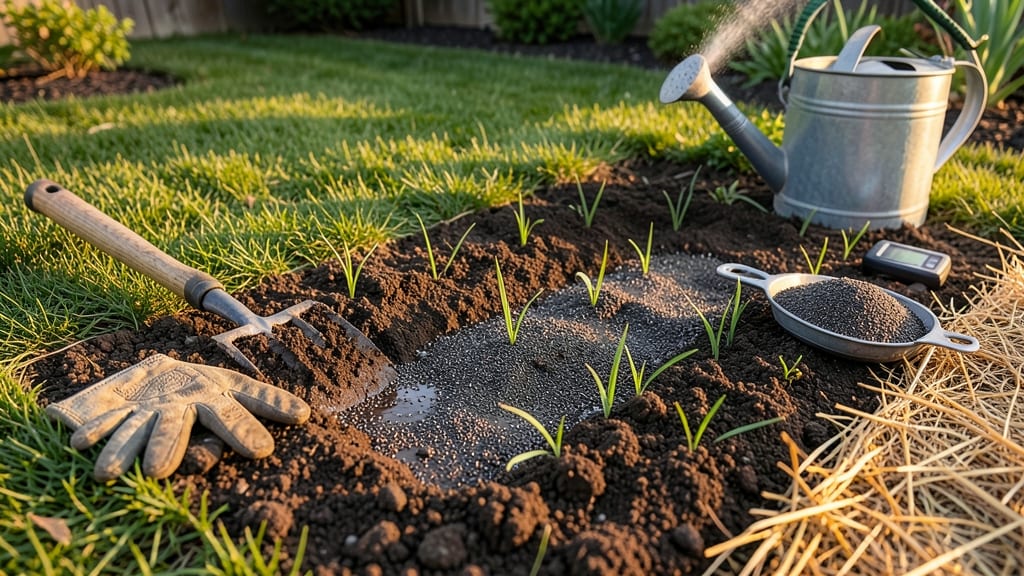
Timing your grass seed planting in North Carolina can make or break your lawn’s success—get it wrong, and you’ll end up with patchy, weak grass that struggles to take hold.
The best time to plant 🌱 isn’t just about the calendar; it’s about soil temperatures, regional microclimates, and avoiding those brutal NC summers or frosty springs.
Here’s the secret: cool-season grasses like Kentucky Bluegrass thrive when soil temps hover between 50–65°F, while warm-season types (like Bermuda) need 65–75°F—and North Carolina’s zones 6a–8b mean your timing depends on whether you’re in the mountains, Piedmont, or coastal plains.
I’ll break down the exact windows—early spring (March–April) and early fall (August–September)—plus how to check soil temps like a pro. Skip the guesswork and plant when your grass has the best shot at deep, resilient roots.
Ready to transform your lawn? Let’s dive into the soil temp secrets that’ll give you a lush, green carpet year after year—no matter where you are in the Tar Heel State.
North Carolina’s ideal grass seed planting windows by soil temperature
North Carolina’s climate—ranging from USDA Zones 6a to 8b—creates two prime windows for planting grass seed: early spring (March-April) and early fall (August-September). These periods align with soil temperatures between 50°F and 65°F, the sweet spot for seed germination and root establishment.
Cool-season grasses like tall fescue and Kentucky bluegrass thrive in these conditions, while warm-season grasses like Bermuda or Zoysia prefer slightly warmer soil (65°F–75°F) in late spring.
Timing matters because soil temperature dictates germination speed. For example, in Zone 7a (central NC), aim for March 15–April 15 in spring or August 15–September 15 in fall. In Zone 8b (coastal areas), shift planting to February–March or September–October to avoid summer heat stress.
Always check soil temp with a soil thermometer—it’s your best tool for precision.
Here’s how North Carolina’s microclimates influence timing: Mountain regions (Zone 6a) have cooler soils, so plant 2–3 weeks later than coastal areas (Zone 8b). Meanwhile, the Piedmont region (Zone 7a) offers a balanced window. Ignoring these differences can lead to slow germination or seed rot from inconsistent moisture.
🌱Pro Tip: Use a soil thermometer to verify temps before planting. Stick it 2–3 inches deep (where seeds will be) for 30 minutes to get an accurate reading.
| Planting Window | Soil Temp Range | Grass Types | NC Region Timing | Key Consideration |
|---|---|---|---|---|
| Early Spring | 50°F–65°F | Tall Fescue, Kentucky Bluegrass, Ryegrass | Zone 6a: Mar 15–Apr 15 Zone 7a: Mar 1–Apr 15 Zone 8b: Feb 15–Mar 15 |
Avoid planting too early—cold soil delays germination. |
| Early Fall | 55°F–65°F | Tall Fescue, Fine Fescue, Bermuda (late) | Zone 6a: Aug 15–Sep 15 Zone 7a: Aug 1–Sep 15 Zone 8b: Sep 1–Oct 15 |
Fall planting benefits from cooler temps and consistent moisture. |
| Late Spring (Warm-Season) | 65°F–75°F | Bermuda, Zoysia, Centipede | Zone 6a: May 1–Jun 15 Zone 7a: Apr 15–May 30 Zone 8b: Mar 15–Apr 30 |
Requires consistent watering to prevent drought stress. |
🌡️ Soil Temp Check: Use a thermometer 2–3" deep for accuracy.
Spring planting in NC offers longer daylight hours for seedling growth, but avoid planting before your last frost date (typically March 1–15 in most zones). For example, in Asheville (Zone 6a), wait until April 1 to ensure seeds aren’t shocked by late frosts.
In Raleigh (Zone 7b), you can start as early as March 1, but monitor forecasts for unexpected cold snaps.
Fall planting is often more successful in NC because humidity drops and temperatures stabilize, reducing fungal diseases like brown patch. Seedlings have 6–8 weeks to establish before winter dormancy, so aim to finish by October 1 in Zone 8b or November 1 in Zone 6a.
This gives roots time to deeply anchor before the ground freezes.
💡 Regional Hack: In coastal NC (Zone 8b), where summers are humid and hot, plant warm-season grasses like Bermuda in late spring (April–May) to avoid
North Carolina’s ideal grass seed planting windows by soil temperature
North Carolina’s diverse climate zones (6a–8b) mean your perfect planting window depends on whether you’re in the cool mountain air or humid coastal plains. The golden rule? Plant when soil temps sit between 50–65°F for cool-season grasses (like Kentucky Bluegrass) or 65–75°F for warm-season types (like Bermuda).
Timing this right avoids heat stress or early frost—both lawn killers.
For most of NC, the best windows are early spring (March–April) and early fall (August–September). Spring lets seeds germinate before summer’s brutal heat, while fall gives roots time to establish before winter dormancy.
But if you’re in Zone 8b (coastal areas), you might squeeze in a late summer planting (July) for warm-season grasses.
Here’s how to check soil temps like a pro: Use a soil thermometer (or a meat thermometer) to measure 2–4 inches deep—the depth where seeds will germinate. If temps dip below 50°F or climb above 75°F, wait. Pro tip: Morning soil temps are the most accurate for planning.
🌱 North Carolina Grass Seed Planting Guide by Season
| Season | Grass Type | Soil Temp Range | Best Months (NC) | Key Considerations |
|---|---|---|---|---|
| Early Spring | Cool-Season (Kentucky Bluegrass, Fescue) | 50–65°F | March–April | Avoid planting before last frost (Zone 6a: March 15). |
| Early Fall | Cool-Season | 50–65°F | August–September | Stop 6–8 weeks before first frost (Zone 8b: Oct 30). |
| Late Summer | Warm-Season (Bermuda, Zoysia) | 65–75°F | July (Zone 8b only) | High heat + humidity = faster germination but higher water needs. |
💡 Pro Tip: Use a soil thermometer to confirm temps before planting—don’t guess!
If you’re in the mountains (Zone 6a), aim for late April–early May to avoid late frosts, while coastal NC (Zone 8b) can plant as early as February for warm-season grasses. Always check your local USDA frost dates—they’re your planting calendar!
One more secret: Overseeding in late summer (August) is a game-changer for thinning lawns. It fills bare spots before winter sets in, giving you a thicker, greener lawn come spring. Just use fine fescue or ryegrass for this trick.
Now that you’ve got the timing nailed, let’s talk soil prep—because even the best seeds need the right home to thrive. 🌱