
Plants
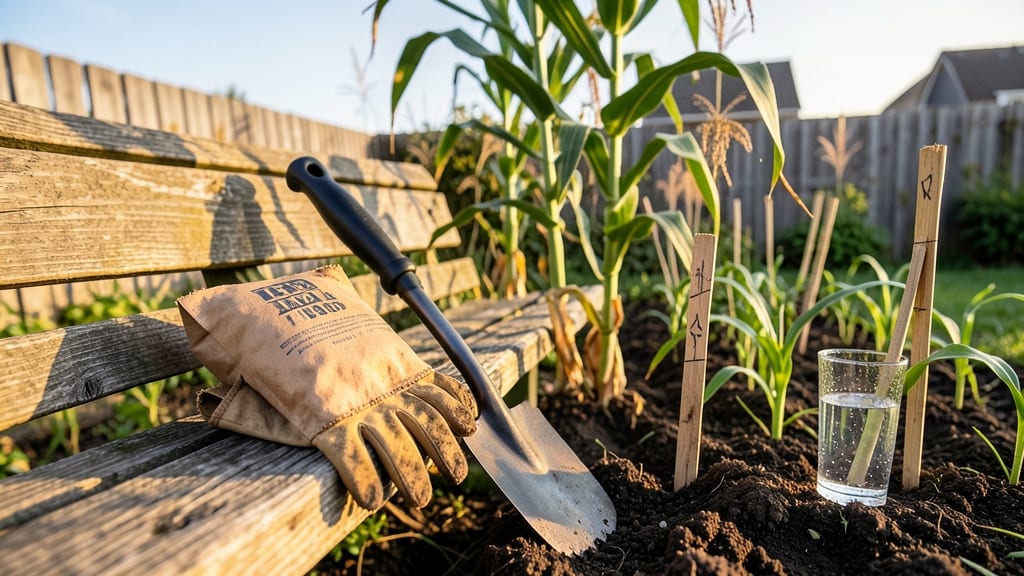
Planting corn in North Carolina at the wrong time can mean the difference between a bumper crop and wasted effort. The perfect window depends on soil warmth, frost dates, and your specific region—whether you're in the mountains or along the coast.
Most gardeners in North Carolina aim to plant corn when soil temperatures hit 50°F or higher, typically between mid-April and early May in most zones. But timing varies—mountain areas may need to wait until late May, while coastal regions can start as early as March.
Getting this right ensures strong germination and avoids frost damage.
I’ll break down the exact planting schedule for your area, including how to adjust for early or late varieties. You’ll also learn how to prep your soil, water properly, and thin seedlings for the best yields. Let’s get your corn growing strong this season!
Whether you’re a first-time gardener or a seasoned pro, these tips will help you avoid common mistakes. Ready to plant corn like a local? Let’s dive in.
North Carolina corn planting dates by soil temperature & frost Zones
Corn thrives in North Carolina’s USDA Zones 7a-8b, but the exact planting window depends on your region’s last frost date and soil temperature. Most gardeners aim for soil temps of 50°F+—cold soil delays germination.
In Western NC (mountains), wait until after the May 15 average frost date, while Coastal Plain gardeners can plant as early as mid-April.
For early varieties (60-70 days to harvest), start seeds indoors 4-6 weeks before your last frost date. Mid-season varieties (75-90 days) are best planted directly in late April to early May, while late-season varieties can go in until mid-June for fall harvests.
Always check your local frost calendar—NC’s climate varies wildly from the Piedmont’s 7b zone to the Coastal Plain’s 8a.
Here’s your region-specific planting cheat sheet based on soil temperature and frost-free days:
| Region | USDA Zone | Last Frost Date | Ideal Planting Window | Soil Temp Threshold |
|---|---|---|---|---|
| Western NC (Mountains) | 7a | May 15 | Late May–Early June | 55°F+ |
| Piedmont (Raleigh, Greensboro) | 7b | April 15 | Mid-April–Late May | 50°F+ |
| Coastal Plain (Wilmington, Fayetteville) | 8a | March 15 | Mid-March–Early June | 50°F+ |
| Mountains (Asheville, Boone) | 6b | May 20 | Early June–July | 55°F+ |
🌽 Pro Tip: Use a soil thermometer—corn seeds won’t sprout below 50°F.
If you’re in Zone 7a (Western NC), opt for early-maturing varieties like ‘Silver Queen’ (70 days) to avoid late-summer droughts. In Zone 8a (Coastal Plain), you can even plant a second crop in July for a fall harvest—just choose 90-day varieties like ‘Peaches and Cream.’
Always plant after the soil warms, even if frost dates suggest earlier planting.
For direct sowing, plant seeds 1 inch deep and 12 inches apart in rows 30 inches apart. Thin seedlings to 8–12 inches apart once they’re 3–4 inches tall. Succession planting every 2 weeks ensures a steady harvest—critical in NC’s short growing season.
Watch for soil moisture—corn needs 1–2 inches of water weekly. In drought-prone Piedmont, use mulch to retain moisture.
If your soil stays cold past May, consider black plastic mulch to warm the soil faster. Row covers can also protect young plants from unexpected late frosts, which are common in elevated mountain regions.
Timing isn’t just about frost—it’s also about pollination. Corn needs warm, still days for silk emergence. In humid Coastal NC, plant in April–May to avoid fungal diseases like corn smut. In drier Piedmont, June plantings can work if you irrigate consistently.
Remember: North Carolina’s climate shifts fast. A late-April planting in Raleigh might work one year but fail the next due to unpredictable frosts
How to adjust corn planting for North Carolina’s microclimates
North Carolina’s diverse geography means your corn planting date should vary based on where you live. The Piedmont region (like Raleigh) and Coastal Plain (e.g., Wilmington) can start planting as early as mid-April, while mountain areas (Asheville, Boone) often need to wait until late May to avoid late frosts.
Even within 50 miles, soil temperatures can differ by 2–3 weeks!
For example, sandy soils (common in coastal areas) warm up faster than clay-heavy soils in the Piedmont. Use a soil thermometer to confirm temperatures reach 50°F+ at least 1 inch deep before planting.
If your soil stays cold, opt for early-maturing varieties like ‘Silver Queen’ (60–65 days) to harvest before summer heat peaks.
Another key factor is elevation. Gardens above 2,000 feet (Western NC) face later last frost dates—sometimes as late as May 15. Use row covers or cold frames to protect seedlings if you plant early in these zones.
Conversely, lowland areas (e.g., Eastern NC) can start planting 2–3 weeks earlier without frost risk.
🌽 Pro Tip: If you have irrigated beds, you can plant 1–2 weeks earlier in spring because consistent moisture helps warm the soil faster. Just monitor for soil crusting, which can suffocate seedlings.
🔍 Numbered Highlights: Adjusting for NC’s Microclimates
- Coastal Plain (Zones 8a–8b): Plant March 15–April 15 for early varieties. Soil warms quickly, but watch for saltwater intrusion if near the coast.
- Piedmont (Zones 7b–8a): Aim for April 1–May 1. Clay soils may need black plastic mulch to speed warming.
- Mountains (Zones 6b–7a): Wait until May 15–June 1. Use row covers if planting early to shield from late frosts.
- Urban Areas (e.g., Charlotte, Greensboro): Follow local extension office guidelines—heat islands can delay frost dates by 1–2 weeks.
- Sandy Soils: Plant 1–2 weeks earlier than clay soils. Amend with compost to retain moisture.
Don’t forget to rotate planting dates if you’re growing multiple varieties. Staggering by 1–2 weeks ensures a continuous harvest from summer through fall. For instance, plant sweet corn in early May, popcorn in late May, and field corn in June for staggered maturity.
Finally, if you’re in a drought-prone area, prioritize drought-tolerant varieties like ‘Pioneer Pride’ and mulch heavily to retain moisture. In humid lowlands, space plants 12+ inches apart to prevent fungal diseases like corn smut.
Adjusting for your microclimate isn’t just about timing—it’s about setting your corn up for success from day one!