
Plants
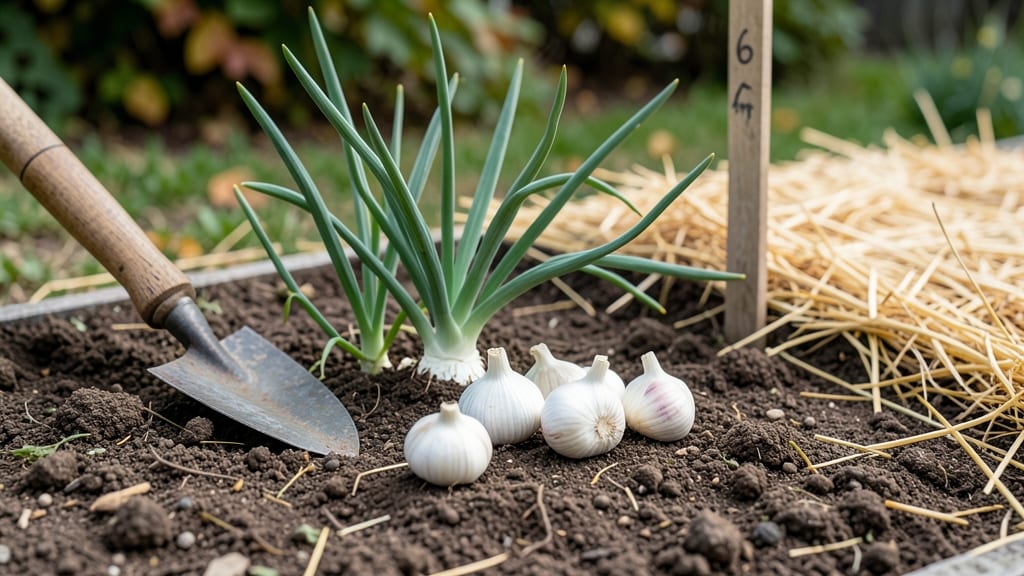
Timing your spring garlic planting in Ohio can make or break your harvest—especially when unpredictable frost dates and soil temperatures throw off even the most experienced gardeners. If you’ve ever watched your garlic cloves rot in cold, damp soil or struggled with stunted growth, you know the stakes are high.
Here’s the secret: planting 🧄 garlic in Ohio’s Zone 6a between early March and mid-April gives those hardy bulbs the perfect window to establish roots before summer heat arrives. But with last-frost dates shifting yearly, how do you avoid common mistakes and maximize your yield?
In this guide, I’ll break down the exact planting timeline—including soil prep tips and variety recommendations—that Ohio gardeners swear by. Whether you’re a first-timer or a seasoned grower, these insights will help you plant with confidence and harvest plump, flavorful bulbs by July.
Let’s get your garlic off to the right start—because in Ohio’s climate, patience and precision pay off big time.
Best Ohio spring planting dates for garlic by variety type
Ohio’s Zone 5-6 climate means garlic thrives when planted at the right time—spring offers a second chance after fall, but timing is critical. Unlike fall-planted garlic, which develops bulbs over winter, spring-planted garlic grows quickly for a summer harvest.
The key window is 4-6 weeks before your last frost date, typically mid-March to early April in most of Ohio.
However, Ohio’s microclimates vary: Columbus and Cincinnati (Zone 6a) can plant slightly later than Cleveland and Toledo (Zone 5b). Always check your local average last frost date—planting too early risks rot from cold, wet soil, while planting too late may yield smaller bulbs.
For most Ohio gardeners, late March is the sweet spot.
Garlic comes in two main types: hardneck (best for cold climates) and softneck (more tolerant of warmer springs). Hardnecks like ‘Music’ or ‘German White’ are ideal for Ohio—they form scape shoots and store well. Softnecks like ‘Silverskin’ can handle slightly later planting but may struggle in Ohio’s shorter growing season.
🌱 Ohio Spring Garlic Planting Timeline
| Variety Type | Ideal Planting Window (Ohio) | Soil Temp Requirement | Key Notes |
|---|---|---|---|
| Hardneck (e.g., 'Music', 'German White') | Late March – Early April | 40–50°F (4–10°C) | Best for cold climates; harvest by July. |
| Softneck (e.g., 'Silverskin') | Early April – Mid-April | 45–55°F (7–13°C) | Tolerates warmer soil but slower bulb growth. |
| Elephant Garlic (e.g., 'Inchelium Red') | Mid-April – Late April | 50–60°F (10–15°C) | Milder flavor; needs longer season. |
⚠️ Pro Tip: Use a soil thermometer to confirm soil temps—garlic won’t sprout until the ground reaches 40°F (4°C) consistently.
To extend your planting window, use row covers or a cold frame to protect early plantings from late frosts. In northern Ohio (Zone 5b), aim for March 15–March 30, while southern Ohio (Zone 6a) can wait until April 1–April 15.
The goal is to give garlic 10–12 weeks of growth before summer heat—any longer, and bulbs may split or become pungent.
Prepare cloves by separating them from a high-quality bulb (choose plump, firm cloves) and plant the pointy end up, 2 inches deep, and 4–6 inches apart.
Space rows 12 inches apart for easy maintenance. In Ohio’s heavy clay soils, amend beds with compost or sand to improve drainage—garlic hates soggy roots.
After planting, mulch heavily with straw or leaves to retain moisture and regulate soil temperature. Water deeply once a week (avoid overhead watering to prevent disease). By mid-June, you’ll see scape shoots on hardnecks—pinch these off to redirect energy to bulb growth.
Harvest when lower leaves brown and tops yellow, usually late June–July.
Spring-planted garlic in Ohio won’t store as long as fall-planted varieties, but it’s perfect for fresh summer cooking. For best results, braid or cure bulbs in a dry, shady place for 2–3 weeks before storing.
If you miss the spring window, don’t worry—Ohio’s fall planting season (October–November) is even more reliable for long-term storage.
🌱 Remember: Ohio’s unpredictable springs mean flexibility is key. Keep a planting journal to track what works best in your microclimate—next year’s harvest depends on it!
Signs your Ohio soil is ready for garlic planting (and how to Fix common mistakes)
Ohio’s clay-heavy soils and unpredictable spring rains can turn garlic planting into a gamble if you’re not prepared. The key to success? Waiting until your soil hits 40°F (4°C) and has good drainage—otherwise, you risk rot or stunted growth.
I’ve learned this the hard way after watching cloves sprout too early in cold, wet soil.
First, check your soil temperature with a thermometer—it’s the #1 indicator. Garlic cloves need consistent warmth to root properly, and Ohio’s spring soil can fluctuate wildly. Aim for 40-50°F (4-10°C) at a 4-inch depth before planting. If it’s colder, wait a week or two.
Next, test your soil’s moisture balance. Too wet? Amend with compost or sand to improve drainage. Too dry? Water deeply 24 hours before planting to help cloves settle.
Ohio’s heavy clay soils (common in southern Ohio) hold moisture like a sponge—if your soil feels slick when squeezed, it’s too wet.
🚨 WARNING: Over-Planting Too Early
Planting garlic in cold, wet soil triggers root rot and fungal diseases like white rot. If your cloves sprout but stay small and yellow, you’ve planted too soon. Ohio’s Zone 5-6 regions (like Toledo or Youngstown) need extra patience—wait until mid-April at the latest.
💡 Fix it: Use row covers to extend your planting window by 2-3 weeks if frost threatens.
Don’t forget to loosen the soil before planting. Ohio’s compacted clay can strangle garlic roots. Use a broadfork or tiller to break up the top 6-8 inches of soil, and mix in 2-3 inches of compost for nutrients.
If your soil is sandy (like in northeast Ohio), add peat moss to retain moisture.
Finally, choose a sunny, raised spot if possible. Garlic thrives in full sun (6+ hours daily), and raised beds warm up faster in spring. In low-lying areas with late frost pockets (common in northern Ohio), plant near a south-facing wall or use black plastic mulch to accelerate soil warming.
With these checks, your Ohio garlic will establish roots quickly and avoid the pitfalls of cold soil or poor drainage. Next, we’ll cover the top 5 cold-hardy varieties that perform best in your region—so you can pick the perfect match for your garden.