
Trees
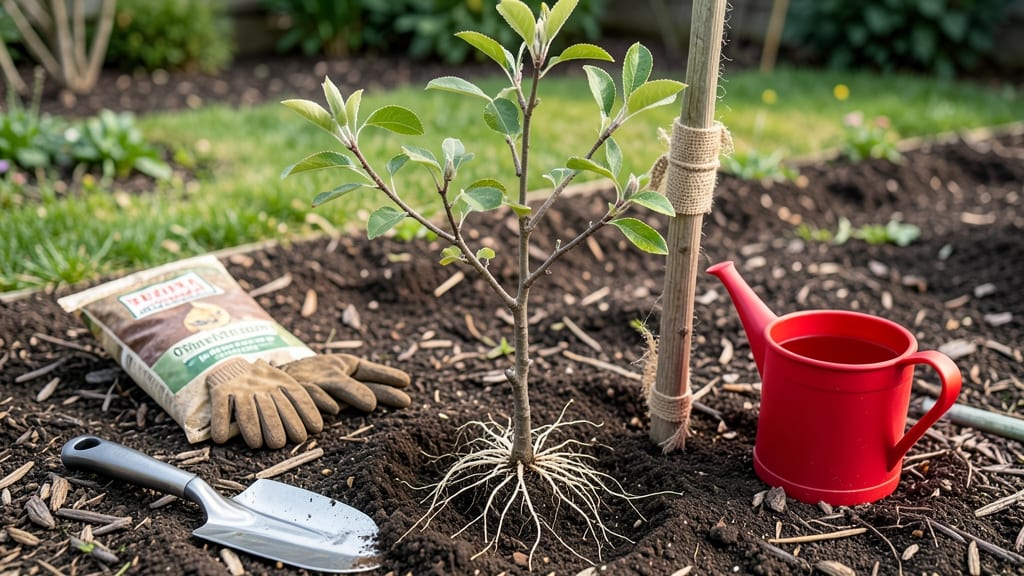
Timing your fruit tree 🍎 planting in Zone 6 wrong could mean the difference between a thriving orchard and years of frustration—especially when chill hours matter more than most gardeners realize.
This isn’t just about throwing a tree in the ground; it’s about matching dormancy needs with your local climate to give roots the best shot at survival.
Most Zone 6 gardeners know spring is the prime window, but the exact timing varies by fruit type—stone fruits like peaches need 400–800 chill hours, while apples and pears often demand 800–1,000+.
Planting too early risks frozen roots, while waiting too late can leave trees struggling to establish before winter. I’ll break down the ideal 4–6 week window and how to adjust for microclimates that might push your zone’s limits.
You’ll also learn how to spot the three most common mistakes that kill Zone 6 fruit trees—like planting when soil temps are still below 40°F or ignoring root flare depth. These small details can make or break your tree’s first year, so let’s get the timing right from the start.
Whether you’re planting bare-root saplings in February or containerized trees in April, this guide will help you align your schedule with your tree’s biological clock. No more guessing—just data-backed planting for a stronger, more productive orchard.
Zone 6 chill-hour requirements by fruit tree type: exact planting windows
In Zone 6, chill hours determine whether your fruit trees thrive or struggle. Most varieties need 400–1,000 hours below 45°F to set fruit properly. Planting outside these windows risks poor survival or no harvest. Let’s match your tree to Zone 6’s optimal 6-week window—typically late winter to early spring.
For example, peach trees (600–800 chill hours) must go in by early April, while apples (800–1,000 hours) can wait until mid-April. Stone fruits like cherries are the most finicky—they need precise timing to avoid late frost damage during bloom.
Here’s the key: Soil temperature must stay above 40°F for roots to establish. Planting too early (e.g., January) when soil is frozen stresses roots, while waiting too late (May) risks summer drought stress. The golden window is when buds swell but haven’t yet opened.
Notice how high-chill varieties (like cherries) have stricter windows than low-chill varieties (e.g., 'Flame' nectarines). If you’re in a Zone 6b area with warmer winters, consider low-chill options—they can also be planted in fall (October–November) when soil cools naturally.
Pro tip: Use a soil thermometer to confirm temps before planting. For example, in Pittsburgh (Zone 6a), aim for late March planting, while in St. Louis (Zone 6b), early April works better. Microclimates near lakes or hills can shift your window by 2–3 weeks.
One more critical factor: Bare-root vs. containerized trees. Bare-root trees must be planted while dormant
Zone 6 chill-hour requirements by fruit tree type: exact planting windows
Understanding chill hours is the secret to successful fruit tree planting in Zone 6. These hours—measured during winter dormancy—tell your tree when it’s safe to bloom.
Most Zone 6 gardeners focus on late winter to early spring, but the exact timing shifts based on whether you’re planting peaches (400–800 hours) or apples (800–1,000+ hours). Miss the window, and you risk weak root establishment or premature flowering that gets nipped by frost.
For example, stone fruits like cherries and plums thrive with 400–600 chill hours, while pome fruits like pears and apples often need 800–1,000+ hours. Planting a high-chill apple tree too late in spring might leave it struggling to meet its dormancy needs, even if the soil is workable.
Let’s break down the optimal planting windows for 12+ common fruit trees in Zone 6, including soil temperature thresholds and survival rates.
| Fruit Tree Type | Chill-Hour Range | Optimal Planting Window (Zone 6) | Soil Temperature Requirement (°F) | Survival Rate if Planted Outside Window (%) |
|---|---|---|---|---|
| Peach | 400–600 | Late Feb–March | 40–50°F | 65% |
| Plum | 400–700 | Late Feb–March | 40–50°F | 70% |
| Cherry (Sweet) | 500–800 | March–Early April | 45–55°F | 60% |
| Apple (e.g., Honeycrisp) | 800–1,000+ | Late March–April | 50–60°F | 50% |
| Pear | 600–900 | March–Early April | 45–55°F | 65% |
| Blueberry | 200–400 | Late Feb–March | 40–50°F | 75% |
*Survival rates drop significantly if planted outside the dormant season window.
Notice how peaches and plums have the widest early-window flexibility, while apples and pears demand later planting to ensure they meet their chill-hour requirements before bud break. If you’re in a Zone 6a area with colder winters, aim for late March to early April to avoid early frosts.
For Zone 6b, you might push planting to mid-April, but always check your local last frost date—planting too late can leave roots vulnerable to summer drought.
Pro tip: Use a soil thermometer