
Plants
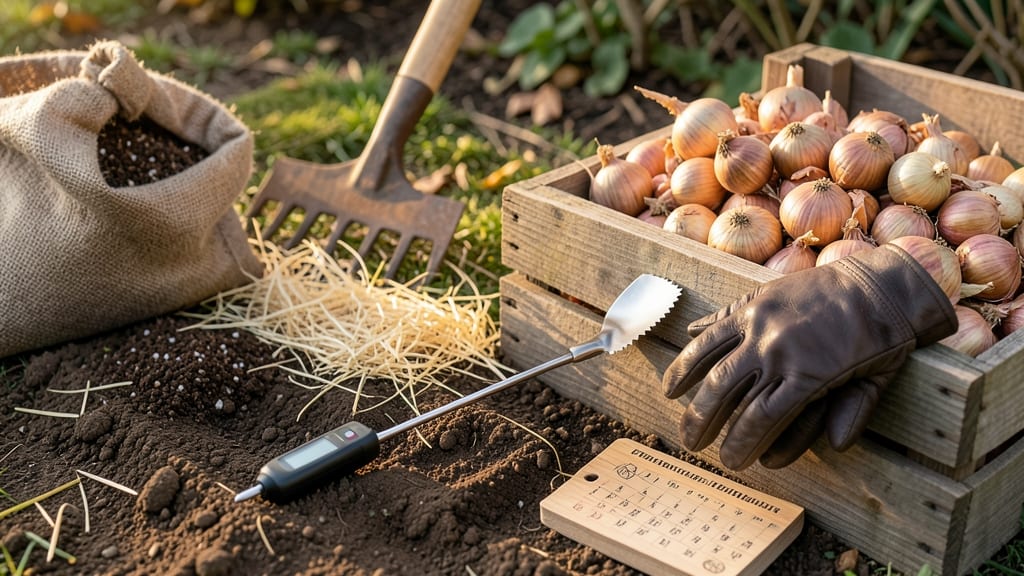
Planting bulbs in South Carolina at the wrong time could mean the difference between a vibrant spring garden and a disappointing flop. With USDA Zones 7b-9a and two distinct climates—coastal and Piedmont—timing is everything for those 🌷 beauties to thrive.
Most gardeners assume "fall planting" is a one-size-fits-all rule, but SC’s mild winters and humidity demand precision. The key is planting bulbs 4-6 weeks before the ground freezes, typically between late August and early October.
Get it wrong, and you risk bulbs rotting in soggy soil or sprouting too early, only to be fried by a late frost.
Whether you're in Charleston’s Zone 8-9 or Greenville’s Zone 7b, the right timing ensures your tulips, daffodils, and hyacinths emerge strong and healthy next spring. I’ll break down the exact windows, soil prep secrets, and how to protect your investment from SC’s unpredictable weather.
Ready to transform your garden? Let’s dive into the perfect planting schedule so you can enjoy blooms from March through May without a single worry.
South Carolina bulb planting calendar: coastal region timing for zero-frost survival
If you live in South Carolina’s coastal region (USDA Zones 8-9), you’ve got a longer frost-free window than most gardeners—but that doesn’t mean you can plant bulbs anytime.
The key is timing them 4-6 weeks before the first frost, which typically hits around mid-December in Charleston or Myrtle Beach. Plant too early, and your bulbs may sprout and get fried by summer heat. Too late, and they won’t establish roots before winter sets in.
For coastal SC, the ideal planting window stretches from mid-August through early October. This gives bulbs enough time to root deeply before soil temperatures drop. Popular choices like tulips, daffodils, and crocus thrive here, but even heat-sensitive varieties like hyacinths can succeed with the right timing and soil prep.
Here’s the month-by-month breakdown for coastal gardeners, including soil temperature thresholds and bulb-specific tips to maximize your spring blooms:
One critical trick for coastal SC gardeners is to plant bulbs in well-draining soil. Sandy soils here can dry out quickly, so mix in 2-3 inches of organic matter (like compost or peat moss) before planting.
For tulips and hyacinths, which are more sensitive to heat, aim to plant them by mid-September to avoid summer stress.
Don’t overlook watering schedules either. After planting, water deeply to encourage root growth, then reduce watering as winter approaches. A 2-inch layer of mulch (like pine straw or shredded leaves) will insulate bulbs and protect them from freezing temperatures or winter drought.
In the coastal zone, even a light frost (28°F) can damage emerging shoots, so timing is everything.
Pro tip: If you’re in Zone 9 (e.g., Hilton Head), you can even plant some spring-blooming bulbs in December for early spring color. Just choose varieties like rain lilies or rain crocus, which tolerate warmer winters.
For most gardeners, though, sticking to the August-October window ensures the best results with minimal fuss.
Finally, label your bulbs as you plant them! Coastal SC’s humidity can make it tricky to remember where you tucked those daffodil bulbs under the azaleas. A simple stake or garden flag will save you headaches next spring when you’re hunting for your first blooms of the season.
With the right timing and a little prep, your coastal SC garden can burst into color earlier than your neighbors’—and with zero frost damage to show for it. 🌷
Piedmont planting schedule: how cooler temperatures change bulb timing in SC
If you garden in South Carolina’s Piedmont region (Zones 7b-8), your bulb planting schedule needs a tweak compared to the coastal lowcountry. Cooler temperatures and earlier frosts mean you’ll need to plant 2-3 weeks earlier than Charleston gardeners.
The goal? Get bulbs in the ground by mid-October—before the first frost hits, typically around mid-November.
Piedmont’s shorter frost-free window also means you’ll want to focus on hardier bulb varieties like daffodils, hyacinths, and alliums, which handle cooler winters better than delicate tulips. These bulbs can often survive 20-25°F temperatures, giving you a safety net against late frosts.
Here’s the key difference: While coastal gardeners can plant through early November, Piedmont gardeners should wrap up by mid-October. The cooler climate also means soil stays damp longer, so prioritize well-draining soil and raised beds if your yard holds moisture.
| Month | Piedmont Planting Window | Key Tasks |
|---|---|---|
| August | Start early | Test soil pH (6.0-7.0 ideal) |
| September | Peak time | Plant daffodils, hyacinths, alliums |
| October | Final window | Add mulch (3-4 inches) |
| November | None | Monitor frost dates |
One Piedmont-specific tip: If you’re in Zone 7b, consider planting tulips in containers so you can move them to a sheltered spot if frost threatens. These bulbs are less cold-hardy and often need protection from 15°F temperatures or lower.
Don’t forget to water deeply after planting—Piedmont’s clay soils can dry out quickly in fall. Aim for 1 inch of water per week until the ground freezes. Mulching with straw or pine needles will also help insulate bulbs during winter.
With these adjustments, your Piedmont garden can still burst with spring color—just a few weeks earlier than coastal neighbors. The key is acting early and choosing the right bulbs for your microclimate.