
Plants
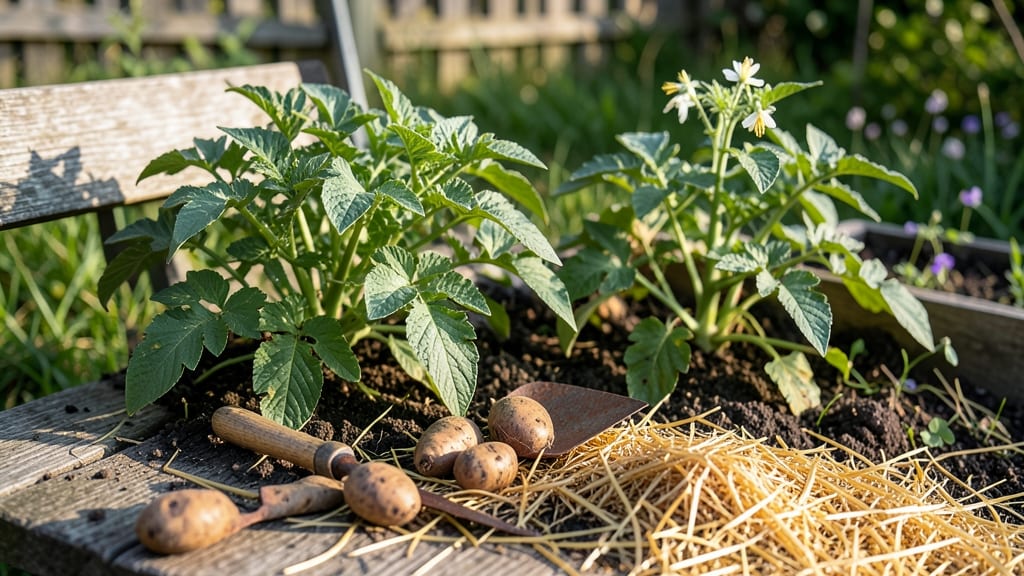
Timing when you can plant potatoes in Colorado can mean the difference between a bumper crop of crisp 🥔 and a disappointing harvest.
With USDA zones 5-8 and unpredictable mountain weather, knowing when to plant is the key to success—whether you're aiming for an early spring harvest or a late-summer second crop.
Most gardeners in Colorado plant their potatoes between March and April, but the exact timing depends on your last frost date and soil temperature. In Denver, for example, planting 4-6 weeks before the average last frost (around mid-April) gives your tubers the best head start.
Meanwhile, high-altitude areas may need to wait until soil warms to 40-50°F for optimal sprouting.
If you're hoping for a second harvest, late-summer planting in August or September can work—just choose fast-maturing varieties like Yukon Gold or Red Pontiac. The trick? Adjusting for your local microclimate, whether you're in the Front Range, Western Slope, or Eastern Plains.
In this guide, I’ll break down the best planting windows, soil prep tips, and frost-free strategies to help you grow potatoes that thrive in Colorado’s unique growing conditions. Let’s get those spuds in the ground at the perfect time!
Colorado potato planting dates by region: frost-free zones & soil temperature guidelines
Colorado’s diverse climate—from high-altitude mountains to arid plains—means potato planting dates vary dramatically. Understanding your USDA hardiness zone (4-7) and last frost date is key to timing your plantings right.
Most Colorado gardeners aim to plant 4-6 weeks before the last frost, but soil temperature matters just as much as calendar dates.
Potatoes thrive when soil reaches 40-50°F for planting, with 60°F+ needed for sprouts to emerge. In Denver (Zone 5), this typically means planting in late March to early April, while Grand Junction (Zone 7) can start as early as mid-February.
High-altitude areas like Fort Collins (Zone 4) may need to wait until mid-April.
Here’s how to match your region to the perfect planting window:
| Region | USDA Zone | Last Frost Date | Ideal Planting Window | Soil Temp for Planting |
|---|---|---|---|---|
| Front Range (Denver, Boulder) | 5-6 | April 15 | Late March–Early April | 40–50°F |
| Western Slope (Grand Junction, Colorado Springs) | 6-7 | March 15–April 1 | Mid-February–Mid-March | 45–55°F |
| Eastern Plains (Pueblo, Fort Morgan) | 4-5 | May 1 | Late April–Early May | 40–48°F |
| High Altitude (Fort Collins, Steamboat) | 3-4 | May 15 | Mid-April–Early May | 40–45°F |
For second crops, plant Yukon Gold or Red Pontiac varieties in late August for a fall harvest before the first frost. These cold-hardy types tolerate 50°F soil temps and mature in 90-110 days, giving you tubers by October in most regions.
Pro tip: Use a soil thermometer to confirm temps before planting. Cold soil delays sprouting, and frost-killed sprouts mean wasted seed potatoes. If your soil runs cold, try black plastic mulch to warm it faster.
Colorado’s Western Slope benefits from earlier planting due to milder winters, while Eastern Plains gardeners often wait until after May 1 to avoid late frosts. Always check your local CoCoRaHS or NOAA frost maps for the most accurate dates.
If you’re in Zone 4 or higher elevations, consider chitting potatoes indoors 4-6 weeks before planting. Place seed potatoes in a bright, cool spot (50–60°F) with sprouts facing up. This jumpstarts growth and compensates for slow soil warming.
Remember: Potatoes need 90-120 frost-free days to mature. Late plantings risk stunted tubers or no harvest at all. Plan accordingly, and you’ll enjoy homegrown spuds from June through October!
🌱
How to adjust planting timing for early vs late potato varieties in Colorado
Colorado gardeners can extend their potato harvests by choosing the right varieties and planting at strategic times. Early-maturing potatoes (60-90 days) like Red Pontiac or Yukon Gold are perfect for spring planting and can be harvested before late-summer heat sets in.
These varieties thrive when planted 4-6 weeks before the last frost date, which in Denver is typically around April 15.
For late-maturing varieties (100-120 days) such as Russet Burbank or Kennebec, aim for late May to early June planting. These potatoes need more time to mature and benefit from Colorado’s cooler summer nights.
Planting them later ensures they reach full size before the first frost, which can arrive as early as October 15 in Denver.
🌱
| Variety Type | Days to Maturity | Best Planting Window | Harvest Window | Colorado-Specific Tip |
|---|---|---|---|---|
| Early | 60-90 | March-April | June-July | Use row covers for frost protection |
| Mid-Season | 90-110 | April-May | July-August | Plant in raised beds for better drainage |
| Late | 100-120 | May-June | August-September | Choose cold-hardy varieties for high-altitude areas |
For a second crop, plant late-summer varieties like Fingerlings or Adirondack Blue in late August. These potatoes grow quickly and can be harvested before the first frost, giving you fresh tubers in October or November. This strategy works well in southern Colorado, where frost arrives later.
If you’re in high-altitude areas (e.g., USDA Zone 5), opt for early-maturing varieties or use black plastic mulch to warm the soil. This helps compensate for cooler temperatures and shorter growing seasons. Always test your soil temperature—it should be 40-50°F for planting and 60°F+ for sprouting.
Succession planting is another smart tactic. Plant new batches every 2-3 weeks in spring to ensure a steady supply of fresh potatoes. This works especially well for early varieties, which can be harvested in stages throughout the summer.
Just be sure to space your plantings so you’re not overcrowding the garden.
🥔