
Trees
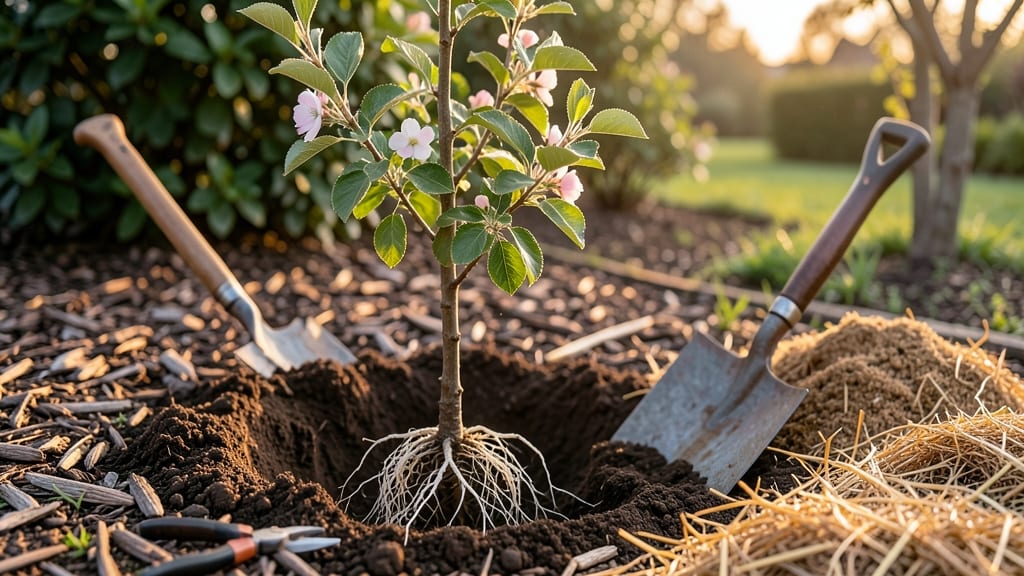
Timing your 🍎 Apple Tree planting in Zone 5 isn’t just about picking a month—it’s about aligning with nature’s rhythm to give your tree the best shot at thriving. Plant too early, and frost could damage tender roots; too late, and your sapling won’t establish strong roots before winter.
The exact window for planting in Zone 5 is what separates a struggling young tree from one that grows into a productive orchard.
Most gardeners in Zone 5 swear by early spring (March or April) or fall (September or October) as the ideal times, but there’s more to it than just the calendar.
Soil temperature, frost dates, and even the type of tree (bare-root vs. container-grown) play a role in determining the perfect moment. If you’ve ever wondered why some apple trees seem to take off while others struggle, the answer likely starts with when—and how—they were planted.
In this guide, I’ll break down the science-backed reasons behind these planting windows, including how to prepare your soil, choose the right varieties for Zone 5’s climate, and care for your tree in the weeks after planting.
Whether you’re a beginner with a shovel or a seasoned gardener, these tips will help you avoid common mistakes and set your 🍎 Apple Tree up for success from day one.
Ready to plant with confidence? Let’s dive into the step-by-step approach that’ll have your tree growing strong and bearing fruit in no time.
Best planting months for apple trees in Zone 5: science-backed timing
Zone 5 gardeners face a critical decision when planting apple trees: timing makes all the difference between a thriving orchard and struggling saplings. The ideal planting window in Zone 5 spans from early spring (March-April) to fall (September-November), aligning with soil temperatures and dormancy cycles.
This timing ensures strong root establishment before winter or summer heat stress.
Spring planting (March-April) gives roots 6-8 weeks of warm soil before summer heat arrives. Fall planting (September-October) allows roots to settle before winter dormancy, reducing transplant shock. Both windows avoid Zone 5’s late frosts (mid-May) and early freezes (mid-October), which can damage young trees.
Soil temperature is the key factor: roots need 45°F (7°C) minimum for active growth. In Zone 5, this typically occurs by mid-April in most regions. Fall planting should happen 6-8 weeks before first frost—usually by late September—to allow roots to establish before ground freezes.
| Planting Window | Soil Temp Requirement | Key Consideration | Zone 5 Timeline |
|---|---|---|---|
| Early Spring (Bare-Root) | 45°F (7°C) minimum | 6-8 weeks before summer heat | Mid-March to mid-April |
| Fall (Bare-Root or Container) | 50°F (10°C) minimum | 6-8 weeks before frost | Late September to mid-October |
| Container-Grown Trees | 50°F (10°C) minimum | Flexible timing (avoid extreme heat) | April-May or September |
Bare-root apple trees are most commonly planted in spring because their roots can absorb moisture quickly from thawing soil. However, fall planting works well if you choose hardy varieties like 'Liberty' or 'Honeycrisp', which tolerate Zone 5 winters better.
Container-grown trees offer flexibility—they can be planted anytime soil isn’t frozen, but avoid extreme summer heat.
Northern Zone 5 (e.g., Minnesota, Wisconsin) should plant 2 weeks later than southern areas (e.g., Pennsylvania, Missouri) due to later frost dates. Check your last average frost date (typically mid-May in Zone 5) and plant 4-6 weeks before to give roots time to establish before summer stress.
Mulching with 4-6 inches of organic mulch after planting helps regulate soil temperature. For spring plantings, use straw or wood chips to retain moisture; for fall plantings, focus on insulating roots with thick mulch to prevent freeze-thaw cycles.
Water deeply once a week for the first month to encourage root growth.
Avoid planting in late spring (May-June) when soil temperatures exceed 75°F (24°C), as this causes root stress. Similarly, planting in late fall (November-December) leaves roots vulnerable to winter freeze-thaw cycles. Always check your local USDA Zone 5a/5b variations—some areas may have earlier frosts than others.
For container-grown trees, timing is less critical, but spring or early fall still offers the best conditions. These trees can be planted anytime soil isn’t frozen, but avoid peak summer heat (July-August) when transplant shock is higher.
Always remove the container and loosen roots before planting to prevent girdling.
Pro tip: If you miss the ideal window, heeling-in bare-root trees (temporarily planting them in a trench) until spring works for fall plantings. Just keep the roots moist but not waterlogged until you can transplant them permanently.
Best planting months for apple trees in Zone 5: science-backed timing
In Zone 5, the ideal planting window for apple trees is a narrow but critical period that balances soil warmth and frost risk. Most experts agree that early spring (March-April) or fall (September-October) offers the best conditions, but the exact timing depends on your specific microclimate and tree type.
For bare-root trees, which are most commonly sold, spring planting is preferred because the roots can establish quickly as temperatures rise. However, fall planting works well if you choose hardy varieties and give the tree enough time to root before winter dormancy sets in.
The key is avoiding late frosts (typically around mid-May in Zone 5) and ensuring the soil stays above 40°F (4°C)—the minimum temperature for root growth. Planting too early risks frost damage, while planting too late may leave roots vulnerable to winter cold.
| Planting Window | Soil Temp | Key Considerations |
|---|---|---|
| Early Spring (March-April) | 40-50°F (4-10°C) | Roots establish before summer heat; avoid late frosts |
| Fall (September-October) | 50-60°F (10-15°C) | Tree roots harden before winter; plant 6-8 weeks before first frost |
| Container-Grown Trees | Year-round (with care) | Can plant anytime soil isn't frozen; water consistently |
Zone 5’s short growing season (about 150 frost-free days) means timing is everything. If you miss the spring window, don’t panic—fall planting still works if you choose cold-hardy varieties like 'McIntosh' or 'Cortland,' which tolerate colder climates better than others.
For container-grown trees, you have more flexibility since their roots aren’t exposed to frost. However, they still benefit from the same soil temperature guidelines. Always water thoroughly after planting to reduce transplant shock, especially in dry spring or fall conditions.
Pro tip: Check your local USDA Plant Hardiness Zone map—some areas within Zone 5 may have slightly earlier or later frost dates. Adjust your planting schedule accordingly to give your apple tree the best possible start.