
Trees
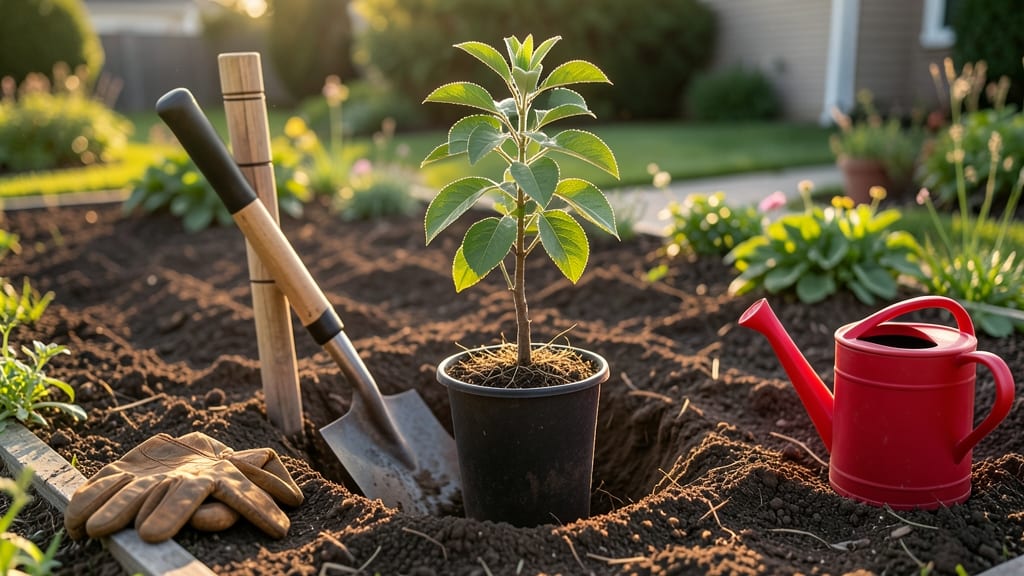
Timing your fruit tree planting in California wrong could mean the difference between a lush orchard and a sad, frost-nipped sapling—especially when coastal breezes and inland heat create wildly different growing conditions.
The perfect window isn’t one-size-fits-all, but knowing your microclimate’s frost-free dates and soil warmth is the key to success. Whether you’re in chilly San Francisco or sunbaked Palm Springs, planting at the right moment sets your trees up for thriving roots and future harvests.
Most gardeners assume spring is the only time to plant, but California’s diverse zones actually offer two ideal windows: late winter (when soil is workable but before buds break) and early fall (to establish roots before summer’s heat).
I’ll break down the exact months for your region—plus how to prep soil and pick varieties that match your climate. No more guessing whether your avocado or peach tree will survive the first frost!
Here’s the game-changer: coastal areas like Santa Barbara can plant as early as November, while inland spots near Sacramento should wait until February or March. We’ll also cover species-specific tips—like why citrus thrives in mild winters but stone fruits need a chill period.
Ready to turn your backyard into a productive orchard? Let’s get those roots in the ground the right way.
With the right timing, your fruit trees will grow stronger, produce more, and outlast California’s unpredictable weather. I’ll walk you through every step—from choosing the best planting month for your zone to post-planting care that keeps your trees healthy year-round. Skip the trial-and-error; let’s make your orchard a success story.
California’s best planting months by microclimate zone (avoid frost zones 8-10)
California’s diverse microclimates make timing critical for fruit tree success. The Northern Coast (San Francisco, Sacramento) has cooler winters with late frost risks, while Central Valley (Fresno, Bakersfield) offers earlier planting windows. Southern regions like Palm Springs can plant year-round—but even here, summer heat demands caution.
Most deciduous fruit trees (peaches, plums) need dormant planting in late winter (February-March) when soil temps reach 50°F+. Citrus and avocados, however, thrive when transplanted in early spring (March-April) to avoid heat stress.
Here’s the microclimate breakdown you need to time planting perfectly and minimize frost damage:
| Region | Best Planting Window | Soil Temp Requirement | Frost Risk | Key Consideration |
|---|---|---|---|---|
| Northern Coast (San Francisco, Sacramento) | March–April (after last frost) | 50–60°F | High (Zone 8) | Wait for consistent 50°F+ nights |
| Central Valley (Fresno, Bakersfield) | February–March | 55–65°F | Moderate (Zone 9) | Avoid late winter rains that waterlog soil |
| Southern California (Palm Springs, Riverside) | November–March (avoid summer) | 60–70°F | Low (Zone 10) | Use shade cloth for young trees in summer |
| Coastal (Santa Barbara, Monterey) | March–April | 50–60°F | Moderate (Zone 9) | Watch for fog-related chill delays |
For bare-root trees, plant immediately after purchase—they dry out within 24 hours. Container-grown trees offer flexibility and can be planted year-round, but spring remains ideal for root establishment.
Always check your local frost dates via the USDA Plant Hardiness Zone Map or California Climate Zones. For example, Sacramento’s last frost averages March 15, while Los Angeles rarely sees frost—but heat waves can stress young trees.
Pro tip: Test soil moisture before planting. If soil is dry and crumbly, wait 1–2 weeks for spring rains to recharge moisture. Overwatering at planting time can drown roots before they establish.
In Southern California, citrus trees can be planted year-round, but avoid June–September due to intense heat. Instead, opt for cool-season planting (November–March) to reduce transplant shock.
For stone fruits (peaches, plums), late winter dormancy is key. Plant 2–3 weeks before buds swell to ensure root growth before spring flush. In Northern California, this often means February planting.
Remember: Soil temperature matters more than air temperature. Use a soil thermometer to confirm 50°F+ before planting bare-root trees. If temps are below 50°F, wait 1–2 weeks or use row covers for protection.
🌱
How to choose the perfect planting time for your fruit tree species
Not all fruit trees thrive on the same schedule in California’s diverse climate. Citrus trees like lemons and oranges, for example, despise frost and need warm soil to establish roots, while stone fruits like peaches and plums prefer cooler dormancy periods.
Understanding your tree’s native climate helps you align planting with its needs.
For dormant planting (best for most species), aim for late winter to early spring—February through April—when soil temperatures rise above 50°F (10°C).
This timing gives roots time to establish before summer’s intense heat. Citrus and avocado trees, however, are exceptions and should be planted in early spring (March-April) when frost risk is minimal.
🌱 Fruit Tree Planting Guide by Species
| Species | Best Planting Time | Soil Temp Requirement | Key Consideration |
|---|---|---|---|
| Citrus (Oranges, Lemons) | March–April | 60°F+ (15°C+) | Frost-sensitive; avoid winter planting |
| Avocado | March–May | 65°F+ (18°C+) | Slow to establish; needs consistent moisture |
| Stone Fruits (Peach, Plum) | February–March | 50°F+ (10°C+) | Dormant planting preferred; avoid heat stress |
| Fig | October–November (fall) or March–April (spring) | 55°F+ (13°C+) | Adaptable; tolerates mild frost |
| Olive | November–January (dormant) | 45°F+ (7°C+) | Drought-tolerant; plant in cooler months |
| Almond | November–February | 50°F+ (10°C+) | Needs well-draining soil; avoid waterlogging |
If you’re in Southern California (Zones 9-11), where frost is rare, you can plant citrus and avocados year-round, but spring remains ideal for root establishment.
In Northern California (Zones 7-9), where late frosts linger, delay planting until after the last frost date—typically mid-April in Sacramento or May in San Francisco.
For bare-root trees (common in nurseries), plant immediately after purchase to prevent root desiccation. Container-grown trees, however, offer more flexibility and can be planted anytime the soil isn’t frozen. Just ensure you water deeply after planting to reduce transplant shock.
Pro tip: Check your local USDA Hardiness Zone and microclimate (e.g., coastal vs. inland) to fine-tune timing. Coastal areas like Santa Barbara have milder winters, while inland valleys like Central Valley can experience sudden cold snaps. Adjust your schedule accordingly!
Finally, avoid planting during extreme heat waves (June-August), as high temperatures stress young trees. Prioritize early spring or fall for most species, and always monitor soil moisture—drought stress is a silent killer for newly planted fruit trees. 🌿