
Plants
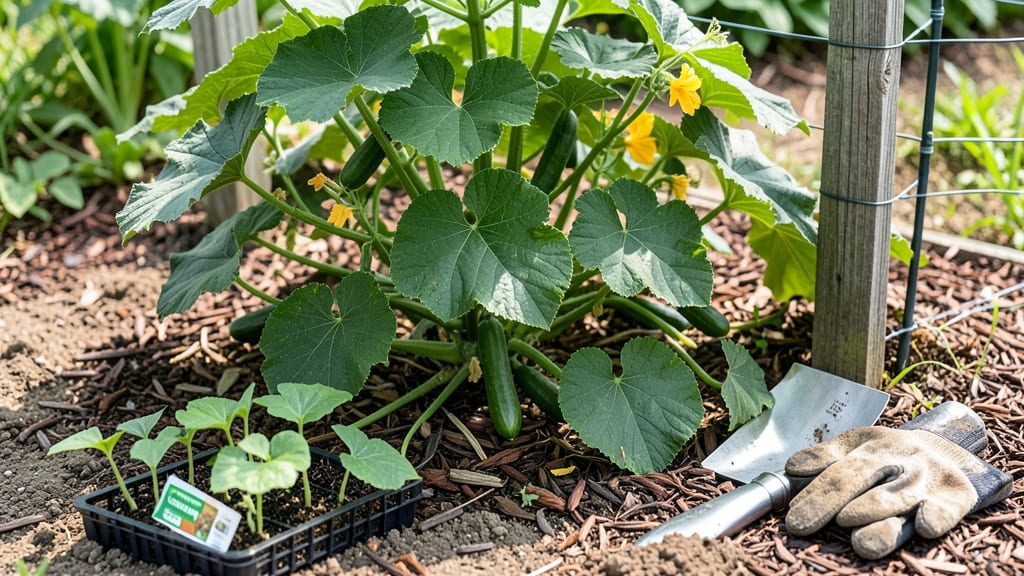
Planting cucumbers in Northern California at the wrong time can mean the difference between a bountiful harvest and wilted vines. The key isn't just checking a calendar—it's understanding your local microclimate, from the Bay Area's coastal breezes to Sacramento's inland heat.
With USDA Zones 8-10 to navigate, timing matters more than you might think.
Most gardeners make one of two mistakes: planting too early when chilly nights linger or waiting too late when summer's intensity stifles growth. The sweet spot? Waiting until soil temperatures hit 55°F or warmer—typically late April to early June, depending on your region.
This ensures strong germination and vigorous vines ready to thrive through summer's heat.
Whether you're growing 🥒 cucumbers in containers or a raised bed, the principles stay the same: warm soil, frost-free nights, and consistent moisture. I'll break down exactly when to plant in your specific area—plus pro tips to extend your harvest season and avoid common pitfalls that ruin yields.
Ready to grow cucumbers that actually produce? Let's dive into the best planting windows, soil prep secrets, and how to beat Northern California's unpredictable weather for a garden full of crisp, homegrown 🥒.
Northern California cucumber planting calendar: soil temperature and frost-free dates by region
Northern California’s diverse microclimates mean your cucumber planting window can vary by 100+ days from coastal San Francisco to inland Sacramento. The key factors? Soil temperature and frost-free dates. Cucumbers need warm soil (55°F+) to germinate and consistent warmth (70°F+) to thrive, so timing is everything.
For USDA Zones 8-10 (covering most of Northern California), the last frost dates range from late February in Redding (Zone 9) to mid-April in coastal areas (Zone 10). However, soil warms slower than air, so don’t rush to plant just because the nighttime temps are above freezing.
Here’s how to align your cucumber planting schedule with your region’s unique conditions:
| Region | Last Frost Date | Soil Temp Threshold | Optimal Planting Window | Best Varieties |
|---|---|---|---|---|
| Bay Area (Zone 9-10) | Mid-April | 55°F+ (late April) | Late April–Early May | ‘Straight Eight,’ ‘Lemon Cucumber’ |
| Sacramento Valley (Zone 9) | Late March | 60°F+ (early April) | Early April–Mid-April | ‘Marketmore 76,’ ‘Poona Kheera’ |
| Redding/Chico (Zone 9) | Late February | 50°F+ (early March) | Early March–Late March | ‘Diva,’ ‘Sweet Success’ |
| Coastal (Zone 10) | Mid-April | 60°F+ (late April) | Late April–Early June | ‘Armenian,’ ‘Suyo Long’ |
*Use a soil thermometer to confirm warmth before planting.
If you’re in a cooler microclimate (e.g., higher elevations like Lake Tahoe’s foothills), aim for early May to avoid late spring frosts. Conversely, inland valleys like Madera can plant as early as mid-March if soil is warm enough.
For container gardening in urban areas like San Francisco, start seeds indoors 4-6 weeks before your last frost date, then transplant after soil warms. Containers heat up faster, so monitor soil temps closely—they can reach ideal germination temps (70°F+) weeks before in-ground soil.
Pro tip: Use black plastic mulch to warm soil 5-10°F faster than bare earth. This lets you plant 2-3 weeks earlier in cooler regions like Santa Rosa or Eureka. Just remove it once plants are established to prevent overheating.
Heat-tolerant varieties like ‘Straight Eight’ or ‘Marketmore 76’ handle Sacramento’s summer heat (100°F+) better than cool-season types, but all cucumbers need consistent moisture to avoid bitter fruit. Plan for drip irrigation if your region experiences drought-like conditions in late summer.
Remember: Succession planting every 2 weeks after your initial window ensures a continuous harvest through early fall. In Zone 10 coastal areas, you can even plant a second crop in late summer for a fall harvest before first frost.
How to extend your cucumber growing season in Northern California’s unpredictable climate
Northern California’s cool coastal nights and intense summer heat can throw off even the most experienced cucumber growers. But with the right strategies, you can extend your harvest by weeks—even months. The secret? Combining seasonal protection with smart planting techniques tailored to your microclimate.
In cooler regions like the Bay Area, early frosts in May can still threaten young plants, while inland areas like Sacramento face 100°F+ heat that stunts growth if cucumbers aren’t shielded.
Whether you’re growing in containers on a balcony or a backyard raised bed, these methods will help you beat the odds and enjoy fresh 🥒 cucumbers longer.
Here are my top 5 proven techniques to push your cucumber season to its limits, no matter where you garden in Northern California:
- 🌡️ Use row covers (lightweight fabric) to protect seedlings from late spring frosts (Bay Area) or early heat waves (Sacramento). Remove when flowers appear to prevent overheating.
- ☀️ Install shade cloth (30-50% coverage) when daytime temps hit 85°F+ to prevent blossom drop and fruit scarring—critical for inland gardeners.
- 💧 Mulch heavily with straw or wood chips to keep soil 5°F cooler and retain moisture. This is especially vital in USDA Zone 10 areas like Redding.
- 🌱 Try succession planting: Sow new seeds every 2 weeks from May through July. In containers, replace spent plants with heat-tolerant varieties like ‘Straight Eight’ when old vines fade.
- 🪴 Opt for cold-hardy varieties like ‘Northern Pickling’ or ‘Corinto’ if you’re in Zone 8-9. These tolerate 45°F nights better than standard types.
For urban gardeners with limited space, containers are a game-changer. Use 5-gallon buckets with black plastic mulch to warm soil faster—critical for slow-starting coastal gardens. Add a self-watering reservoir to handle summer dry spells without wilting.
One mistake I see often? Overlooking soil temperature when extending seasons. Always check with a soil thermometer—cucumbers need 70°F+ soil to thrive, even in fall. If temps drop below 60°F, growth stalls, and you’ll lose weeks of harvest potential.
With these adjustments, you can harvest cucumbers from June through October—or even later in mild microclimates. The key is adapting to your specific location and staying ahead of Northern California’s unpredictable weather swings.