
Plants
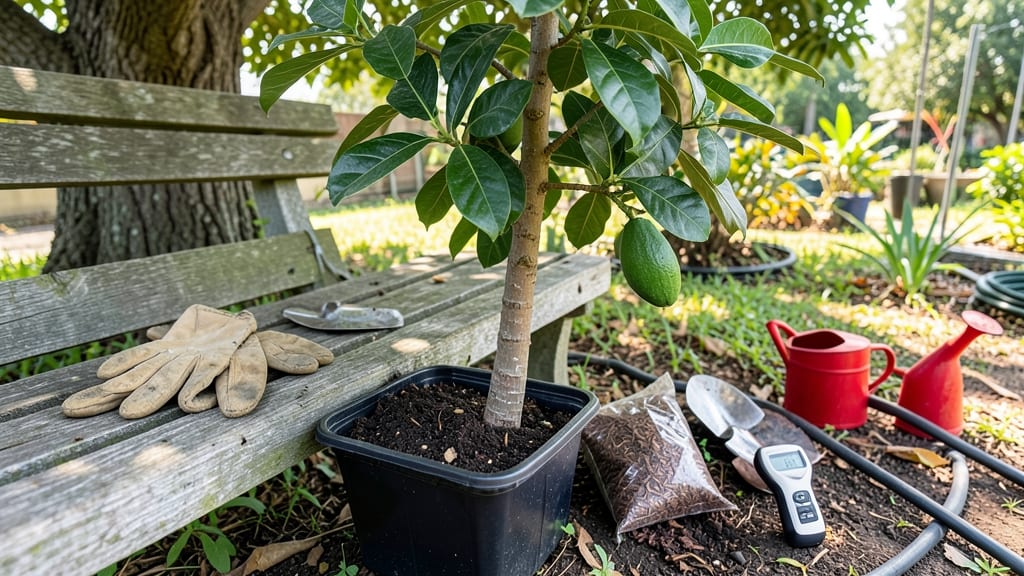
Planting an avocado tree 🥑 in Florida might seem like a no-brainer—after all, it’s the Sunshine State—but getting the timing right is the key to avoiding common pitfalls that even experienced gardeners face.
With year-round growing potential in zones 9a-11, most assume they can plant anytime, but seasonal nuances actually make all the difference in establishing strong roots and thriving fruit production.
Here’s the truth: While Florida’s frost-free climate lets you plant avocado trees year-round, spring and fall remain the sweet spots for optimal success. Why?
These seasons offer the perfect balance of warm soil, steady rainfall, and moderate humidity—ideal conditions for young trees to settle in without stress from extreme heat or drought.
In this guide, I’ll break down the exact planting windows for your region—whether you’re in North Florida’s cooler microclimates or the steamy South—plus pro tips for container vs. in-ground planting that Florida gardeners swear by. Skip the guesswork and learn how to give your avocado tree the best possible start.
Ready to grow a thriving avocado tree 🥑 that bears fruit for years? Let’s dive into the science-backed timing that’ll set you up for success—no matter where you are in the state.
Optimal Florida planting windows for avocado trees by region
Florida’s diverse microclimates create unique planting windows for avocado trees—from North Florida’s cooler zones to South Florida’s tropical heat. Unlike northern states, Florida’s frost-free growing season means you can plant year-round, but timing still matters for root establishment and heat tolerance.
Let’s break down the best months for each region to maximize your tree’s success.
In North Florida (USDA Zones 8-9), where cold snaps can dip below 30°F, the safest window is late winter to early spring (February–April). This gives young roots time to establish before summer’s intense humidity and hurricane season.
Meanwhile, Central Florida (Zones 9-10) enjoys a longer growing season, making fall (September–November) ideal for transplanting, while South Florida (Zones 10-11) can plant almost anytime—just avoid the peak summer heat (June–August).
| Region | Best Planting Window | Key Considerations | Avoid |
|---|---|---|---|
| North Florida (Zones 8-9) | February–April | Cooler temps, lower humidity; establish roots before summer heat | Late fall (risk of frost) |
| Central Florida (Zones 9-10) | September–November | Mild temps, high humidity; ideal for root growth | Peak summer (June–August) |
| South Florida (Zones 10-11) | Year-round (best in spring/fall) | Tropical climate; minimal temperature stress | Mid-summer (extreme heat) |
For container-grown avocados, timing is less critical, but spring planting (March–May) still offers the best balance of warm soil and moderate rainfall. Containers heat up faster in summer, so avoid planting in July or August unless you’re prepared for daily shade and increased watering.
Pro tip: Use black plastic pots to absorb heat in cooler months and light-colored containers to reflect excess heat in summer.
If you’re planting from seed (not nursery trees), Florida’s warm winters mean you can start seeds anytime, but spring (March–April) gives seedlings the longest growing season before hurricane season. Seedlings take 2–3 years to fruit, so early starts pay off—literally!
For faster results, opt for nursery-grown trees, which fruit in 1–2 years when planted at the right time.
One critical factor across all regions is soil temperature. Avocado roots thrive when soil stays above 60°F. Use a soil thermometer to check before planting—if temps are below this, wait 2–4 weeks.
In North Florida, this often means delaying until mid-March, while South Florida rarely faces this issue. Mulching with wood chips helps regulate soil temps and retains moisture.
Don’t overlook pollination needs, especially in North and Central Florida. While avocados are self-pollinating, cross-pollination boosts yields. Plant two varieties (e.g., Hass + Reed) if you want heavier fruit sets.
In South Florida, humidity levels are high enough that one tree often suffices, but variety diversity still improves success rates. For example, Choquette (a Florida favorite) pairs well with Hass for better pollination.
Finally, consider hurricane season (June–November) when planning. Young trees (1–2 years old) are vulnerable to wind damage and flooding. If planting in fall, choose a sheltered location or use staking for support.
Mature trees (5+ years) handle storms better but still need well-draining soil to avoid root rot from standing water. Always plant on slightly elevated ground to prevent waterlogging.
Ready to plant? Spring (March–May) is the safest bet for most Florida gardeners, but fall (September–November) offers a close second—especially in Central and South Florida. Just remember: soil prep, shade protection for young trees, and consistent watering are your best tools for success, no matter the season. 🌱
Optimal Florida planting windows for avocado trees by region
Florida’s diverse climate—from the cooler North to the humid South—means planting windows for avocado trees vary dramatically. While you can technically plant year-round, the best times depend on your microclimate to avoid heat stress or poor root establishment.
For North Florida (zones 8a-9a), aim for early spring (March-April) or fall (September-October) to capitalize on mild temperatures and steady rainfall.
In Central Florida (zones 9b-10a), the window expands to late winter through early summer (January-June), but avoid peak summer (July-August) when soil temperatures can exceed 90°F, shocking young roots.
Meanwhile, South Florida (zones 10b-11) offers year-round planting, though spring (February-April) remains ideal for container-grown trees to adapt before summer’s intensity.
For container-grown avocados, timing shifts slightly. Plant in late winter (January-February) to give roots time to establish before summer’s heat. If you’re transplanting a nursery-grown tree, do it on a cloudy day or in the evening to reduce transplant shock, regardless of season.
Pro tip: Mulch heavily (3-4 inches) after planting to retain moisture and regulate soil temperature.
One critical factor often overlooked is soil temperature. Avocado roots thrive when soil is between 60-85°F. Use a soil thermometer to check before planting—if temps are above 90°F, wait or plant in partial shade until conditions cool.
In North Florida, this might mean delaying until late April even if it’s technically spring.
Finally, consider hurricane season (June-November), especially in South Florida. While avocados are tough, newly planted trees are vulnerable to wind throw. If planting in late summer/fall, stake young trees and use windbreaks until roots establish.
Container-grown trees can be moved to safer locations temporarily if storms are forecasted.
With these regional guidelines, you’ll give your avocado tree 🥑 the best shot at thriving—whether you’re in Panama City or Miami. Next, let’s explore the top varieties that perform best in each microclimate.