
Planting
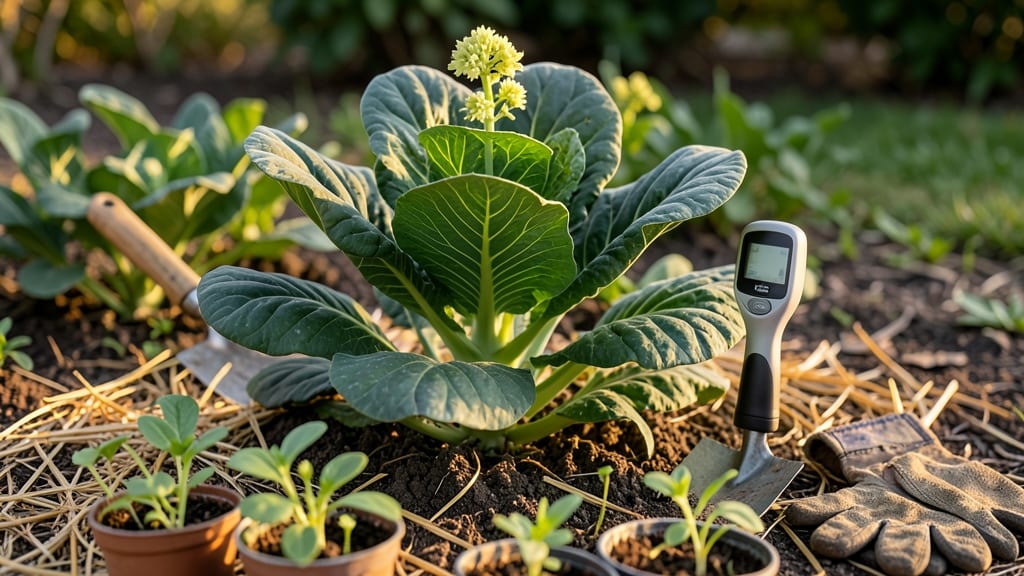
Timing when to plant a fall garden in Louisiana can mean the difference between a bumper crop and a disappointing harvest—especially when summer heat lingers longer than most gardeners expect. The key isn’t just waiting for cooler weather; it’s understanding how Louisiana’s unique climate plays into your planting schedule.
With USDA Zones 8a-9b and humidity levels that can feel like a sauna, you’ve got a narrow window—typically between mid-August and early October—to get seeds in the ground before the first frost sneaks up in December.
Miss this window, and you might end up with stunted plants or no harvest at all.
But here’s the good news: with the right heat-tolerant varieties and a few smart strategies, you can still enjoy a bountiful fall harvest of leafy greens, root vegetables, and even some late-season tomatoes.
I’ll walk you through the exact dates, the best crops for your region, and how to beat the odds—even when Louisiana’s weather throws curveballs.
Ready to turn your backyard into a fall harvest goldmine? Let’s dive into the secrets of planting for success in the Deep South.
Louisiana fall planting calendar: exact start dates by region
Timing your fall garden in Louisiana means beating the heat while avoiding early frost—both challenges in the Deep South. The key is starting 6-8 weeks before your average first frost, which typically lands between November 15 and December 1, depending on your region.
For North Louisiana (like Shreveport), aim for mid-August to early September plantings, while South Louisiana (New Orleans) can push start dates to late August or early September.
Louisiana’s USDA Zones 8a-9b give us a longer growing season than northern states, but humidity and heat linger longer. This means late-summer heat can still stress seedlings, so harden off transplants gradually.
I’ve planted collard greens in early August only to watch them bolt in September—don’t make that mistake! The solution? Focus on heat-tolerant varieties and use shade cloths for delicate crops.
Here’s your region-specific planting timeline to maximize yields before frost. North Louisiana’s cooler nights mean faster maturation, while South Louisiana’s warmer soil lets you push start dates slightly later.
| Region | Start Date (Transplants) | Direct Sow Window | First Frost Avg. | Key Crops |
|---|---|---|---|---|
| North LA (Shreveport) | Mid-August | Late July - Early Sept | Nov 15 - Dec 1 | Collards, kale, broccoli |
| Central LA (Baton Rouge) | Late August | Early Aug - Mid Sept | Dec 1 - Dec 15 | Sweet potatoes, okra, turnips |
| South LA (New Orleans) | Early Sept | Mid-Aug - Late Sept | Dec 15 - Jan 1 | Malabar spinach, peppers, carrots |
*Adjust for microclimates—urban areas may frost earlier than rural zones.
For direct-sown crops like beans or peas, start 4-6 weeks before your transplant window. I’ve had success with black-eyed peas sown in early August in North Louisiana—they mature just in time for Thanksgiving. In South Louisiana, carrots sown in mid-September often reach harvest size before frost.
Pro tip: Use succession planting for quick-maturing crops like bush beans or radishes. Sow a new batch every 2 weeks from August through September to ensure a steady harvest. I’ve extended my harvest by 3-4 weeks using this method with turnips—just stagger plantings every 14 days.
Watch for soil temperatures—they should stay above 60°F for germination. Use a soil thermometer to check; if temps dip below 55°F, delay planting until conditions warm up. I’ve lost entire batches of lettuce to slow germination when I ignored this rule in early September.
Don’t forget to harden off seedlings for 7-10 days before transplanting. Move them to partial shade during the day and bring them in at night for the first few days.
This mimics Louisiana’s humid, fluctuating temperatures and prevents transplant shock. I’ve seen broccoli seedlings wilt dramatically when rushed into the garden without hardening.
Finally, mulch heavily after planting to retain moisture and regulate soil temps. Straw or pine needles work well in Louisiana’s humid climate. I’ve kept collard greens thriving through October by maintaining a 3-inch mulch layer—it’s made all the difference in our hot, dry spells.
Start early, but don’t rush—Louisiana’s fall garden rewards patience with bountiful harvests that last well into winter. 🌱
Best heat-tolerant fall vegetables for Louisiana’s humid climate
When planting a fall garden in Louisiana, the key to success lies in choosing heat-tolerant varieties that thrive in the lingering summer heat before cooler weather sets in.
Louisiana’s humid subtropical climate (USDA Zones 8a-9b) demands crops that can handle high temperatures and humidity while still maturing before the first frost—typically around early December.
Don’t let the heat fool you into thinking summer is endless. The right fall vegetables will reward you with a harvest just as the weather cools down. From leafy greens to root vegetables, these 10 top varieties are your best bets for a productive Louisiana fall garden.
Okra and sweet potatoes are classic choices, but don’t overlook collards, Malabar spinach, and turnips—they all thrive in the heat and can handle Louisiana’s humidity better than most. Let’s break down the best heat-tolerant crops and when to plant them for maximum success.
🌱
Top 10 Heat-Tolerant Fall Vegetables for Louisiana
Plant mid-August to early September. Thrives in heat, drought-tolerant, and ready to harvest in 50-60 days.
Start slips in late July to early August. Needs 90-120 days to mature—perfect for Louisiana’s long growing season.
Sow seeds late August to early September. Heat-tolerant and sweeter after a light frost.
Plant August to early October. Thrives in humidity and stays productive until frost.
Sow seeds late August to early September. Ready in 30-50 days—great for quick harvests.
Plant late August to early September. Heat-resistant and continues producing until frost.
Transplant late July to early August. Needs 80-100 days to mature—ideal for Louisiana’s warm fall.
Start seeds indoors in July, transplant by early August. Heat-loving and productive until frost.
Plant late August to early September. Thrives in heat and ready in 50-60 days.
Sow seeds late August to early September. Some varieties, like Lacinato, handle heat better than others.
If you’re planting for a late fall harvest, focus on leafy greens and root vegetables—they mature quickly and can handle cooler temperatures. For a longer growing season, opt for okra, sweet potatoes, and eggplant, which thrive in heat and can produce well into October.
Pro tip: Succession planting is your friend in Louisiana. Instead of planting all your seeds at once, stagger them every 2-3 weeks to ensure a continuous harvest. This works especially well for turnips, black-eyed peas, and Malabar spinach.
Don’t forget to mulch your beds to retain moisture and regulate soil temperature—critical in Louisiana’s humid climate. With the right crops and timing, you’ll be enjoying a fall harvest that rivals any spring garden.
🌿