
Plants
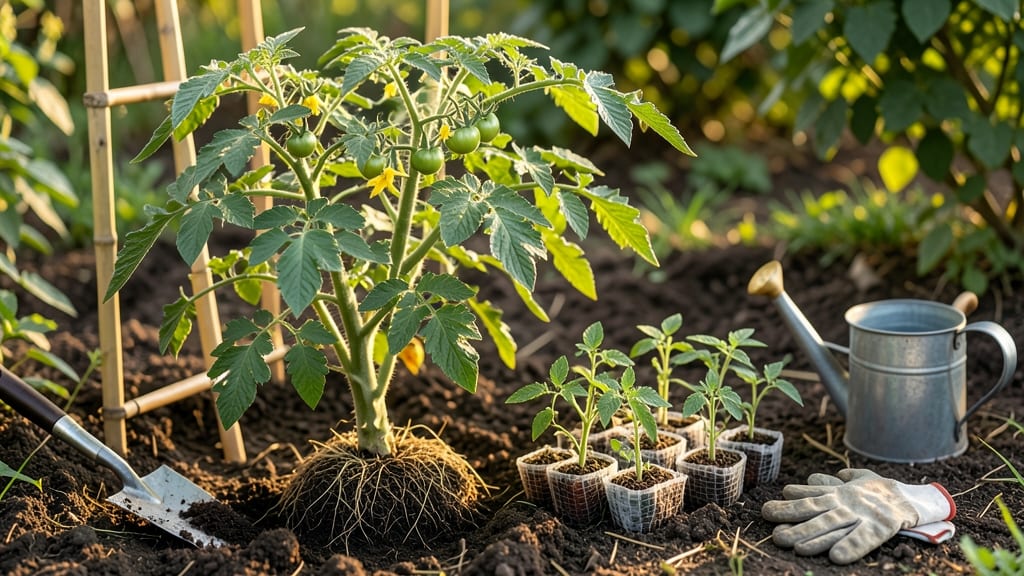
Timing when to plant fall tomatoes in South Texas isn’t just about the calendar—it's about beating the heat while giving your 🍅 plants the best shot at thriving before winter sets in.
With summer still lingering in August and unpredictable rains, one wrong move could leave you with wilted seedlings instead of juicy harvests by Thanksgiving.
I’ve learned the hard way that planting too early means battling scorched leaves, while waiting too long risks stunted growth from dropping temperatures. The key is understanding your USDA 9a-10a zone’s quirks—like how the Rio Grande Valley’s humidity differs from the Hill Country’s dry heat—and adjusting your schedule accordingly.
In this guide, I’ll walk you through the exact August-October window that works for South Texas, plus soil prep tricks to keep roots cool and varieties that actually handle the heat. No more guessing games—just a foolproof plan for tomatoes that taste like summer, even when it’s chilly outside.
Ready to turn your garden into a fall harvest goldmine? Let’s get those seedlings in the ground at the perfect moment—before the first frost sneaks up on you.
Optimal planting windows for fall tomatoes in South Texas by zone & variety
South Texas' USDA Zones 9a-10a offer a unique challenge for fall tomato growers. The key is planting 6-8 weeks before the first frost—typically mid-August to early October—while avoiding the 100°F+ heat waves that can stress seedlings.
My strategy? Start with heat-tolerant varieties like 'Heatmaster' or 'Solar Fire' and time transplants to align with soil temperatures below 85°F.
For Rio Grande Valley (Zone 10a), where frost rarely arrives before December, you’ve got flexibility. I plant my first transplants in late July, knowing they’ll mature before fall humidity spikes.
In Hill Country (Zone 9a), I wait until mid-August to avoid early-season heat stress. The goal? A harvest window from October to December before temperatures drop too low.
Direct sowing is risky in South Texas' heat. Instead, I start seedlings indoors 6-8 weeks before transplanting or buy heat-hardened nursery starts. My rule of thumb: Transplant when nighttime temps stay above 60°F and soil is warm but not scorching.
Use a soil thermometer—ideal temps are 70-80°F.
Here’s my zone-specific transplant timeline for fall tomatoes in South Texas:
| Zone & Region | Transplant Window | Soil Temp Goal | Key Varieties |
|---|---|---|---|
| Rio Grande Valley (10a) | Late July - Early August | 70-80°F | Heatmaster, Solar Fire, Arkansas Traveler |
| Hill Country (9a) | Mid-August - Early September | 65-75°F | Celebrity, Black Krim, Mountain Merit |
| Coastal Bend (9b) | Late August - Mid-September | 70-78°F | Better Boy, Early Girl, Jetstar |
Microclimates matter! If you’re in a shadier or windier spot, push planting dates 1-2 weeks later. I once planted 'Heatmaster' in full sun vs. partial shade—the shaded plants took 10 days longer to set fruit.
Always monitor local weather forecasts for unusual heat spikes or early cold fronts.
Transplant shock is a real threat in South Texas’ dry, hot winds. To minimize stress, I harden off seedlings for 7-10 days before transplanting and water deeply the day before and after.
Use mulch (straw or shredded leaves) to retain moisture and avoid wetting foliage to prevent fungal diseases like early blight.
For container growing, stick to determinate varieties like 'Celebrity' or 'Jetstar'. Plant in 5-gallon pots with well-draining soil and keep them in full sun. Containers dry out 3x faster than in-ground beds, so water every 1-2 days during peak heat.
Pro tip: Succession plant every 2-3 weeks from August to September for a staggered harvest. This ensures you’re not overwhelmed with ripe tomatoes at once and maximizes your fall garden space. My last transplant date is September 15th—any later, and the plants won’t mature before frost.
Remember, South Texas fall tomatoes thrive with patience and precision. The right timing, heat-tolerant varieties, and proactive care will reward you with homegrown tomatoes until December. Now, grab those seedlings or seeds—your fall harvest starts with the first shovel in the soil! 🌱
Soil preparation & heat mitigation strategies for South Texas fall tomatoes
Prepping your South Texas soil for fall tomatoes isn’t just about digging—it’s about creating a cool, moisture-rich environment that protects delicate roots from late-summer heat spikes.
I’ve found that amending clay-heavy soils with organic matter (like composted leaves or aged manure) improves drainage while retaining moisture, which is critical when daytime temps still flirt with 95°F in August.
Start by testing your soil’s pH level—aim for 6.2-6.8 for tomatoes. If your soil tests acidic, mix in lime (1-2 pounds per 100 sq ft) 2-3 weeks before planting.
In alkaline soils, sulfur or peat moss can help balance it. Don’t skip this step: pH imbalances stress plants and invite pests like aphids, which thrive in South Texas’ humidity.
For heat mitigation, I swear by a 3-inch layer of straw mulch around plants—it blocks 90% of sunlight from hitting the soil, keeping temps 10°F cooler than bare ground.
Pair this with drip irrigation set to run in the early morning (5-7 AM) to avoid fungal diseases like early blight, which loves South Texas’ humid afternoons.
Pruning is another game-changer. Remove suckers (the small shoots between stems and branches) to improve air circulation, which reduces heat stress. I also trim lower leaves to keep them off the hot, dry ground, preventing sunscald.
Pro tip: Use shade cloth (30-50%) over seedlings for the first 7-10 days after transplanting to ease them into full sun.
Finally, consider container growing if your soil is rocky or poorly draining. Five-gallon buckets with well-draining potting mix let you control moisture and heat exposure. Just ensure containers get 6+ hours of sun and move them to shaded areas during 100°F+ days.
With these tweaks, your tomatoes will focus on fruiting, not surviving the heat.
Now that your soil is ready, let’s talk about the heat-resistant varieties that’ll reward you with bushy, productive plants—even when temps dip toward fall. 🌱